

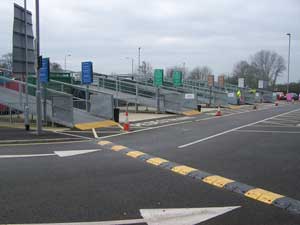
The authority opened the consultation on Tuesday (3 October) and it it will run through until boxing day.
Currently, the county operates nine recycling centres exclusively for use by Derbyshire residents. These centres accept household waste and are open seven days a week, from 8.30 to 18:00, with the exception of Christmas Day, Boxing Day, and New Year’s Day.
Consultation
The consultation aims to seek public opinion on several key proposals, including:
- Adjusting operating hours and days: The council is considering the possibility of reducing the number of hours or days that recycling centres are open to the public
- Charging for tyres and asbestos disposal: Residents may be required to pay a fee for disposing of tyres and asbestos materials at the recycling centres
- Supporting local businesses: The council is exploring options to allow local businesses and sole traders to dispose of commercial waste at a limited number of recycling centres for a reasonable charge. Currently, trade waste is not accepted at any of the sites
- Definition of DIY waste: The council is contemplating adopting the government’s definition of DIY waste that can be disposed of at recycling centres for free. This would include construction waste generated by residents while making home improvements. The proposed limits would allow residents to bring up to two 50-liter rubble bags, or one bulky item no larger than 2,000mm by 750mm by 700mm (similar in size to a bathtub or shower screen) and restrict disposal to a maximum of four times over a four-week period
In addition, the council is residents about what support they might need to access a vehicle registration scheme to use the recycling centres.
The registration scheme is being introduced to make sure those using the sites are entitled to do so. It follows a 32% increase in the amount of waste collected at the sites since 2017 to 2018 which has risen to 85,000 tonnes a year, costing an extra £700,000 to £800,000 in annual recycling and disposal costs, the council said.
The county council is facing huge budget pressures from external forces
- Cllr Renwick, Derbyshire county council
Pressure
Councillor Carolyn Renwick, the cabinet member for infrastructure and environment, said: “Like many councils across the country, the county council is facing huge budget pressures from external forces including higher than anticipated inflation which impacts all areas of our expenditure.
“We’re constantly looking for ways to make the services we provide more efficient and effective, and we want to know what local residents and businesses think about changes proposed to the way our recycling centres are run in the future.”
Services
A string of councils in recent months have consulted on reducing HWRC operating hours, citing budget pressures.
Cheshire East announced last month that it was reviewing its HWRC network owing to “significant” budget pressures (see letsrecycle.com story).
Local authorities have also warned that the government’s decision to ban the charging of DIY waste disposals at HWRCs from this year will also lead to closures.
The Local Government Association warned just last week that HWRCs are at risk of closure if the plan is implemented and called on the government to reverse the decision (see letsrecycle.com story).

Register for free to comment