


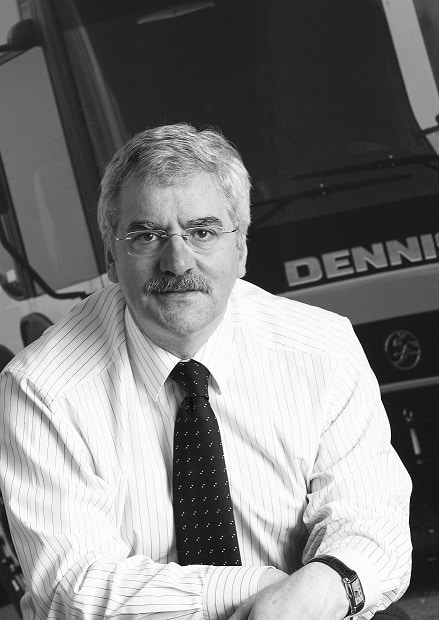
Norman Thoday, managing director of Dennis Eagle, believes that this represents an opportunity for the industry to demonstrate the value of effective waste management.

This represents a real opportunity for the industry to demonstrate the financial and environmental benefits of effective waste management and help councils get more from their refuse collection services without breaking the bank
Norman Thoday, managing director, Dennis Eagle
Local authorities are facing some tough decisions and, with many having to make significant reductions to their annual spend, it remains to be seen which areas will bear the brunt of cuts. Ministers have insisted that the £2 -billion grant used to support services such as refuse collection will not be affected. However, despite this, the waste management industry has a key role to play when it comes to helping councils make the necessary savings.
In order to minimise the impact on frontline services, local authorities will be seeking to make their budgets work harder and effective waste management is one area in which small changes can have a big impact over the longer term.
Rising landfill tax means that, as well as being environmentally unsustainable, residual waste disposal is becoming an even greater drain on financial resources. Councils which have efficient recycling programmes targeting a number of waste streams have reported tangible benefits. Horsham is a leading example, reducing the amount of waste it sends to landfill by 35% following the implementation of a commingled waste collection initiative using demountable side loading vehicles. As landfill becomes more prohibitive, I believe such cases will provide a blueprint for change, clearly illustrating the value recycling can offer.
Fuel economy
Fuel currently represents around 35-50% of vehicle operating costs and this is likely to rise further, so minimising consumption is another area where savings can be made. When it comes to fuel economy, driving style can have a big impact on vehicle emissions and associated running costs. Designed to equip drivers with the skills and knowledge to make significant savings, fuel saving technology solutions monitor a range of factors including over revving, excessive throttle use and aggressive acceleration or braking. Dennis Eagle offers EcoTrak, a fuel saving technology solution from CMS SupaTrak, to customers as an optional extra on all vehicles purchased. Results have shown average vehicle fuel savings of £2,000 per year and improvements on fuel consumption of between 7 – 15%, clearly demonstrating the potential payback such solutions can offer.
As a result of public sector spending cuts, I think we will also see councils adopting new ways of working. Around three years ago, we saw local authorities in Nottinghamshire form the UK's first refuse collection vehicle consortium. Participating councils have experienced mutual benefits as a result of this partnership and, as improved performance and value for money becomes even more of a priority, it is highly likely that we will see other regions follow suit by forming their own groups.
There is no doubt that local authorities will be required to make significant changes to the way in which they operate over the next few years. This represents a real opportunity for the industry to demonstrate the financial and environmental benefits of effective waste management and help councils get more from their refuse collection services without breaking the bank.


Register for free to comment