


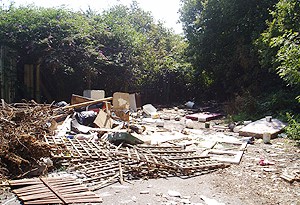
New figures have shown that councils shelled out £76 million during 2006/07 to clear up fly-tipping incidents, 77% of which involved household waste.
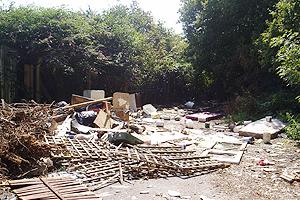
Nearly half of all cases reported nationally came from Liverpool city council, which alone paid out £15.6 million to deal with 1.3 million fly-tipping incidents.
The number of incidents reported by councils nationally was 5% up on 2005/06, but Defra said along with more reports of fly-tipping, more action was being taken by councils and central government.
The Department for Environment, Food and Rural Affairs is looking into pushing householders to recycle more with some form of financial incentives scheme, as proposed in its new English waste strategy.
But the Department said today as the new figures were released from the Flycapture database that any recycling initiatives from councils had to be backed up by action on fly-tipping.
Defra said: “The Government published its Waste Strategy for England 2007 in May, which set out a blueprint for not only recycling and reusing waste, but also preventing it in the first place. The strategy makes it clear that initiatives to boost recycling should be supported by fly-tipping strategies aimed at preventing the illegal dumping of waste.”
The Department added that decisions on “appropriate” household waste collections were a matter for local authorities, not central government.
Businesses
Excluding Liverpool city council, fly tips of commercial waste black bags have actually fallen by 10% 2005-06 from 59,630 to 53,566.
Local authorities more than doubled the number of inspections of businesses in 2006/07 compared to the previous year, with 25,745 visits undertaken to check companies were dealing with their waste responsibly. Councils carried out 1,371 prosecutions related to fly-tipping in 2006-07, of which 94%. Liverpool managed no prosecutions, however.
The Flycapture data does not include the most serious incidents, which are dealt with by the Environment Agency, although this data is being analysed and is to be published shortly.
Defra said some good work has been carried out on flytipping by councils – highlighting Islington, Milton Keynes, Sheffield and Worthing in particular for their action to monitor fly-tipping hotspots and counter illegal dumping.
Progress
Minister responsible for waste and recycling, Joan Ruddock said: “Despite some good progress over the past year – including more reporting and more enforcement – there is far too much fly-tipping blighting our streets and countryside. It’s not acceptable, councils must do more to tackle it. Councils as diverse as Sheffield, Worthing and Milton Keynes are driving down fly-tipping through targeted, concerted action. I want other councils to follow their lead.”
Mrs Ruddock added: “Government has a role to play in this by continuing to provide and update the tools and guidance to enable action to be taken. And the public and businesses must also play a part by reporting incidents and dealing with their waste responsibly. In short, we can only clean up our streets by all working together.”

Register for free to comment