


Announcing a new three-year research strategy yesterday, the Department for Environment, Food and Rural Affairs revealed it will provide funding for research into issues ranging from the carbon impacts of waste management and prevention through to whether producer responsibility provides the right incentives for better product design and more recycling.
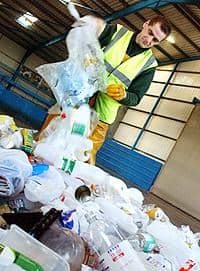
Among the stated research aims, the Waste and Resources Evidence Strategy 2007-2011 will see research commissioned to examine the impact of recycling targets on the quality, consistency and reliability of materials collected for reprocessing and export.
In looking at markets for recycled materials, it seeks answers to “How much high and poor quality recycling takes place, particularly with respect to exported waste and what are the major quality issues in recycled streams”. The strategy also asks: “What collection methods lead to high quality recyclates?”
It also poses the question: “Are high collection costs offset by environmental benefits?”
Evidence base
This second waste research strategy issued by Defra after one in 2004 has been produced in consultation with industry and local authorities, and is intended to ensure Defra's waste policies are “evidence based”.
Defra's chief scientific adviser, Professor Sir Howard Dalton, said: “The evidence strategy presented here sets out a robust framework for providing evidence and information for sustainable waste and resources management policy. It will guide the procurement of high quality research and analysis, the interpretation and synthesis of existing and emerging evidence and trends, and the continued development of a policy relevant evidence base.”
The implications for sustainable waste and resource policy, and the evidence required to underpin it, will become more important as 'zero waste' ambitions for waste and resource management are raised nationally.
Professor Sir Howard Dalton
The Department said it will commission the research projects under the new strategy through open competition, expecting most projects to be contracted to universities, consultancies and community-based organisations.
“The implications for sustainable waste and resource policy, and the evidence required to underpin it, will become more important as 'zero waste' ambitions for waste and resource management are raised nationally and greater change is required to achieve them,” Sir Howard added.
Key topics
Of the total funding available under the new strategy, £2.2 million will be available for research looking into incentives and the economics of diverting more waste away from landfill.
Another £2.9 million will look at the regulation of waste management, including how to reduce fly-tipping, possible targets for hazardous waste minimistation, the impacts of pre-treatment legislation and the impact of further restrictions on landfilling biodegradable waste.
Work focussing on key materials, including waste prevention, recycling and recovery measures is being allocated a total of £1.3 million. This will include life cycle analysis work for certain materials and products, and will include a look at biodegradable packaging, producer responsibility incentives and sectoral approaches to business waste.
Defra is looking to put £1.7 million into research on boosting investment in waste collection and treatment. It will look into incentives for energy recovery.
Calling for research on the effectiveness of current policies – highlighting the potential conflict between recycling targets and the needs of the market regarding material quality and reliability, the Department asks the question: “Do we know enough to secure markets for the outputs of treated wastes?”
Meanwhile, £1.7 million is being allocated to looking at how to encourage shared responsibilities between the public, private and voluntary sectors. This includes research on householder behaviour change as well as incentives and barriers towards waste prevention and re-use.
A further £2.5 million is to be used in projects looking at how data and evidence is assembled and interpreted, including work on carbon indicators, waste growth data and the testing of waste policy impacts on resource flows within the economy.


Register for free to comment