


Data produced by Defra has signalled the possibility of a steady future increase in waste arisings as one scenario facing England, according to a presentation by Dr Colin Church, the departments director of climate, waste and atmosphere.
The future increase was one of three scenarios floated by Dr Church last week at the RWM show in a powerpoint presentation. He told delegates of the need for waste prevention work both to reduce current waste volumes and to also counter any future increases.
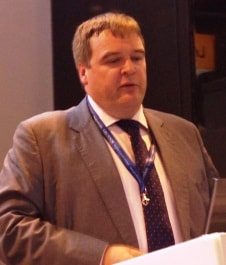
The potential for an increase in arisings comes in contrast to comments in the Waste Prevention Plan consultation document issued in July. In this Defra claims that whilst waste generation is gradually declining in England, the management of this waste, and the cost of lost resources, represents a significant cost to businesses, local authorities and therefore individuals.”
In his presentation, the stark reality of the difficulties in reducing waste arisings were revealed by Dr Church on a personal level. He said that he had recently received a quote for repairing his households broken toaster of 120 minimum, whereas a similar new toaster was 49.99 or much cheaper for a more basic model. He had opted for the cheaper model.
Opportunities
Explaining why there was a need to prevent waste, rather than dealing with it when it comes up, the Defra official emphasised that this approach would provide opportunities for growth and income. Some of the things we are talking about in the waste prevention plan, like refurbishment, are really good ways of bringing people into the jobs market, particularly people without too many skills.
And, he said there were a number of benefits from preventing waste in the first place. These included financial benefits for local authorities as well as environmental and social benefits.
Dr Church focused much of his presentation on the concept of refuse and refurbishment and said that one of his favourite schemes was the Oxfordshire bicycle repair and refurbishment scheme.
When third party organisations are involved, he said, for local authorities, this brings benefits in two ways goods are available at a local level at a lower price and politically this can be of a benefit for your members.
Prevention
And, Defra itself had recently gone down the waste prevention route, said Dr Church. The department wanted smaller desks in one area and had sent the current ones to a prison where prisoners had cut them to a smaller size.
Priority areas for the Waste Prevention Plan, which will be published at the end of 2013, are to include:
- Food
- Textiles
- Paper and card
- Plastics
- Electrical equipment
- Chemicals
In discussion after the presentation, Craig Anderson, chief executive of the Furniture Re-use Network, expressed concerns that the social aspect of reuse might be lost because of the formality and content of the waste prevention plan.
He said: Im very happy to see the recognition given to the social aspects of reuse. It is fine and great to see the recognition of social impacts but what can Defra do within the waste prevention programme for reuse to ensure there is a continuation of social value?
Responding, Dr Church, said that he was aware of the concerns but that the idea of reuse with a social value had been around for a long time. He added that the waste prevention plan at the end of the year will not be the end of the story, there may be things we cant do for one reason or another.
Reuse
Mike Jordan, of Rutland-based Advanced Organics, asked Dr Church about problems caused by End of Waste rules in terms of hampering waste prevention. He claimed that there were some things which are reusable but not allowed, such as oil from sausages for use in engines. We are not allowed to do this under the Waste Incineration Directive. Are you trying to roll some of these rules back?
Dr Church was strongly-worded in his response. When I came into the area I was dumbfounded as to how legalistic the waste areas are.
Related links
We are starting, in talks with the European Commission, to say this is something we need to look at. Lots of people are moving to talking about materials rather than waste and that helps. The problem is that there is a pile of legislation that talks about waste, local authorities deal with waste and companies manage waste.
Consultation on the Waste Prevention Plan closes on September 23 2013.


Register for free to comment