


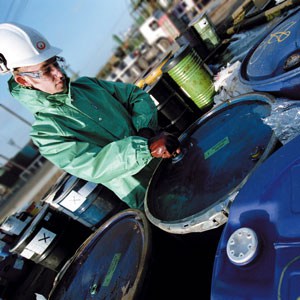

In particular, the strategy outlines the infrastructure developments that will be needed to drive the treatment of hazardous wastes, which represented 6.2 million tonnes of the waste stream in 2008, away from disposal and up the waste hierarchy.
The six key principles which, according to Defra, should drive hazardous waste management are:
-
the waste hierarchy as outlined in the revised WFD, which is, from top down: prevention, – preparing for reuse, recycling, other recovery, disposal;
-
infrastructure provision, reflecting the WFD's call for member states to move towards self-sufficiency and proximity in how they deal with waste;
-
reducing reliance on landfill – as means of moving waste up the hierarchy;
-
no mixing or dilution;
-
treatment of hazardous wastes, with Defra stating that: “Hazardous organic wastes that cannot be reused, recycled or recovered shall be subject to destruction using best available techniques, with energy recovery for all appropriate treatments”;
-
ending the practice of using derogations from landfill acceptance criteria which, Defra says, “encourage the landfilling of hazardous wastes”.
Decision trees
The Strategy, which was published in a draft form for consultation in July 2009 (see letsrecycle.com story), also includes a list of 'decision trees', which, it said, aimed to: “Assist waste producers and waste managers to make the right decisions about the management of their waste and the investment in infrastructure to help move hazardous waste management up the waste hierarchy.”
There are four decision trees – one for all hazardous wastes, one for hazardous waste articles, one for hazardous organic wastes and one for hazardous inorganic wastes – with Defra stressing that they should be applied on a case-by-case basis.
Infrastructure
In terms of infrastructure, the Strategy stresses the impact the proposed National Policy Statement for Hazardous Waste will have, by passing the planning application decision making process for large scale hazardous waste treatment facilities into the hands of the independent Infrastructure Planning Commission.
It also details the specific infrastructure that Defra believes could be needed to treat specific hazardous waste streams, such as the air pollution control (APC) residues from incinerating waste.
Here it states that, if the stream is to be treated according to the waste hierarchy: “There is a need therefore for at least five facilities that can recycle APC residues to other materials that can be re-used, each with a capacity of 33,000 tonnes per annum, and a significant number of additional facilities may be needed if further EfW plant are developed.”
Further developments are also expected to be needed for dealing with the likes of waste oil and contaminated soil.
While the Strategy has been developed to cover a 10 year period, Defra has said that it will assess the impact of its approach in 2015.


Register for free to comment