


Perth & Kinross council in Scotland has agreed to trial a reduction in the capacity of residual waste bins available to householders, in a bid to increase recycling rates.
Councillors voted in favour of keeping the existing fortnightly green lidded bin collection service at a meeting last week (June 4), but opted to reduce the volume of containers available to householders from 240l to 140l.
This option was favoured over a proposal to keep the existing 240 litre capacity containers, and move to a four-weekly rotation for residual waste collections.
Earlier in the week, Torfaen council launched a consultation asking householders whether they would favour the introduction of a reduction in the frequency of residual waste collections to a four-weekly service (see letsrecycle.com story).
But, council officers in Perth instead recommended that the authority retain the fortnightly service an option that is expected to cost 1 million in its first year due to the purchase of new containers but which is anticipated to save 0.6 million in its second year due to the projected increase in recycling.
Trial
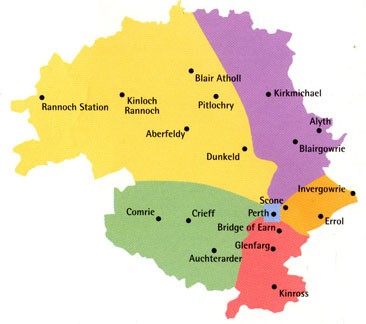
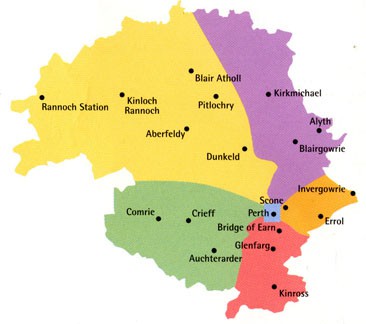
An initial 12-month trial of the new collection arrangement will be rolled out to 5,000 households in the wards of Auchterarder, Oakbank and Western Edge, which is due to commence in February 2015.
Some households who also have additional bins to present extra waste for collection will also no longer be eligible for this service.
Councillor Alan Grant, convener of the environment committee, said: With this trial we are aiming to encourage our residents to recycle more by enhancing the existing kerbside recycling service. Residents will be provided with support information outlining the expanded range of recycling materials they will be able to put in their blue lidded bins.
I am confident that with support, this trial will help householders to recycle more, reduce what they are putting in their green lidded bins, and inspire a big change across the area as a whole.
Review
The council conducted a review of its current collection arrangements, after it had found that as much as 71.5% of its residual waste thrown away by residents could be recycled or composted through existing services. Food waste was found to be the largest single component among the councils residual waste comprising 32.5% of the overall waste stream.
Related Links
Householders also have a 240l capacity blue-lidded wheeled bin for the collection of paper, cardboard, plastics and cans and a brown-lidded wheeled bin for the collection of garden and food waste. These are collected on alternate weeks to the green-lidded general waste bins.
The local authority achieved a recycling rate of 55% in 2012, but is seeking to increase its recycling rate to 60% by 2020 in line with statutory targets set by the Scottish Government.

Register for free to comment