


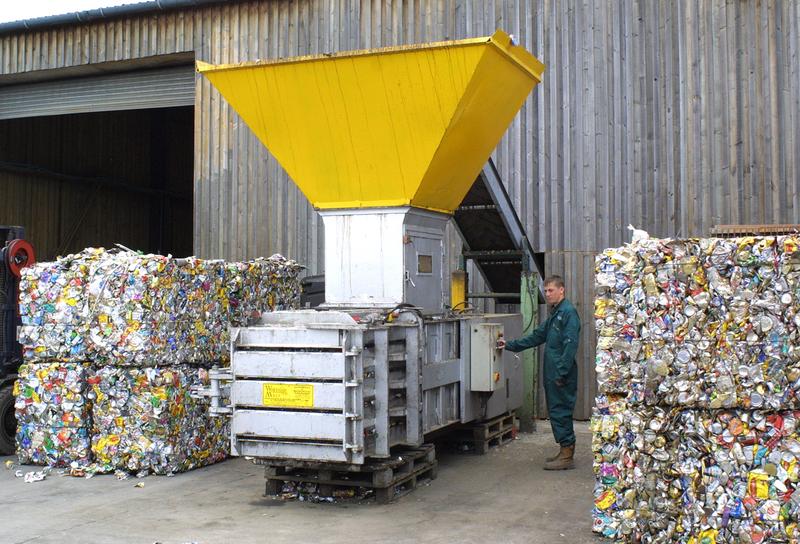

As a result, Corus is planning to re-launch a new version of its can collection network CanRoute, which has been put on hold since November 2008, in a few weeks and hopes to build up volumes steadily to thousands of tonnes a month by the end of this year and a “significant” volume by the middle of 2010.
While the price that will be paid for the cans is yet to be determined, Corus claimed that it would be “fair” and would provide a long-term market for the material which, unlike exports, was not reliant on the high price of the steel PRN.
The news is expected to prompt a sigh of relief from collectors who have traditionally relied on Corus as a long-term market for their steel packaging, and make it easier for the UK to meet both its business and European targets for recycling steel packaging, which have been thrown into doubt largely by Corus' absence from the market, despite performance picking up slightly in the second quarter of the year (see letsrecycle.com story).
Corus is understood to have been under pressure from producers to start reprocessing packaging scrap for this reason, particularly because it has a large packaging recycling obligation of its own.
David Williams, managing of Corus Steel Packaging Recycling, told letsrecycle.com: “We are starting to buy scrap again including packaging. We are talking to merchants who could supply us. Things are definitely back on which will hopefully start to cool the PRN price.”
“I would say any companies collecting cans should look at getting in touch with us”, he added.
Mr Williams claimed that the new can collection framework would be like the “son of CanRoute” but would afford it better control and also be better for suppliers. He said: “It is a way of reconfiguring the system to build on what we had in the past and make it better for the future.”
World
The comments from Corus came as the World Steel Association yesterday revealed that world crude steel production for the 66 countries reporting to the World Steel Association was higher in July than at any other point this year.
However, at 103.9 million metric tons (mmt), this was still 11% lower than July 2008 production.

Register for free to comment