

The Agency said the Protocol could make it cheaper and easier for industry to reprocess used tyres to make products like flooring, road surfacing, aggregates and footwear.
This would mean that handling, storing and using the material would not have to be carried out under waste licences or exemptions.
The consultation on the Quality Protocol for tyres closes on March 31, 2008.
Martin Brocklehurst, head of external waste programmes at the Environment Agency, said: “Placed end to end, the annual tyre waste of England and Wales would stretch from London to Cardiff more than 100 times. With so many cars, vans and trucks discarding tyres, we have potential to access more than 40,000 tonnes of recycled rubber.
“A Quality Protocol could save businesses the time and costs associated with meeting waste regulations, by clearly defining the standards required to collect, transport, store, recycle and reuse rubber tyres, without harming human health and the environment,” Mr Brocklhurst added.
Marketing
Recycled rubber from used tyres can be used for:
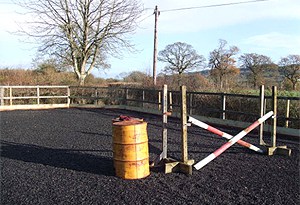
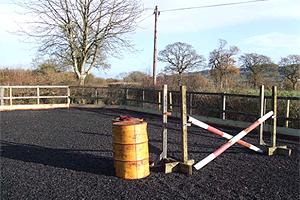
• Landscaping: bridleways, footpaths, paving, porous piping etc.
• Construction and civil engineering: aggregate, rubberised asphalt, landfill engineering, roof tiling, sewer pipe seals, acoustic barriers, waterproof membranes, drainage media, flooring screed and wall plaster.
• Transport: traffic management, automotive parts, rubberised asphalt, railway crossing road panels and rubber for incorporation into retreads of earthmover and truck tyres
• Home: carpet underlay, floor tiles and footwear.
• Facilities management: safety flooring, matting, industrial sealers and fillers.
• Sports and recreational: artificial sports tracks and surfaces, sports barriers, golf and bowling greens (drainage improver).
WRAP – the Waste and Resources Action Programme – is helping develop the tyres Protocol, and said that with recycled rubber no longer classified as waste, it would be more marketable. The Protocol would provide a guarantee to customers that the material they buy meets agreed quality standards.
Dr Richard Swannell from WRAP, said: “A Quality Protocol could therefore stimulate growth in the reprocessing sector, providing easier access to an important resource with a significant number of applications. With the launch of today's consultation we are keen to hear comments and feedback on these proposals.”


Register for free to comment