
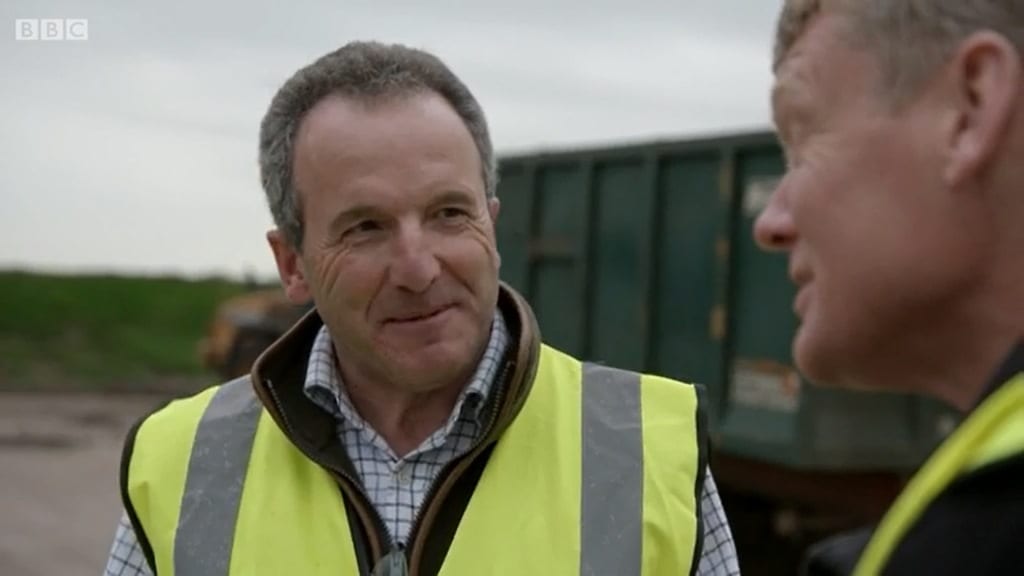
Contaminants such as metals and plastics sometimes find their way into garden waste, which is then processed into compost and used on farmland, and BBC presenter Tom Heap spoke to farmers, archaeologists, the Environment Agency and the Organics Recycling Group (ORG) of the REA about the impacts of contamination, with much of the blame placed on the waste industry.
ORG technical director Jeremy Jacobs emphasised the importance of education and communication to tackle the problem, telling Mr Heap that “in all businesses there are good operators and bad operators” and that the ORG had never had to kick out a member, adding that it was more “about educating them”.
Speaking to letsrecycle.com today (May 26), Mr Jacobs voiced disappointment that the show had largely failed to highlight householders’ and local authorities’ role in contamination, but was pleased that the issue had been given wider exposure.
He emphasised that “composters effectively have to deal with what they are sent and usually have little jurisdiction over what they receive. Local authorities do need to do more on ensuring that the material they send is green waste and not contaminated.”
When seeking organic waste contractors, Mr Jacobs said, councils “shouldn’t just go with the cheapest operator” as this “doesn’t mean they are the most competent”, adding that councils “have a duty to make sure people are doing their jobs”.
Mr Jacobs added: “While our members do often receive good quality material, there remains an issue over some supplies which are contaminated. Education of the public is as crucial as ever and we are always willing to discuss this with local authorities.”
Household collection
He also highlighted South Staffordshire council as a positive example of an authority working hard to combat contamination and producing good quality material.
[testimonial id = “236” align=”right”]
Covering a relatively rural area, South Staffordshire collected 13,000 tonnes of green garden waste from households in 2013/14 and has now maintained the same service for garden waste collections for around 10 years.
Speaking to letsrecycle.com, the council’s senior environmental services officer, Daniel Roberts reiterated the importance of clear and consistent communications with both residents and collection crews to cut down on compost contamination because “We have a duty to our residents and our contractors”.
He also said that continuous monitoring of collected material and issues raised by residents was key to maintaining low levels of contamination, and that the council had good support from its collection contractor Biffa on this which was “really important”.
But he raised concerns that when councils cut budgets, they often look to cut money from communications first.
Mr Roberts explained that “anything unable to be emptied due to contamination, effectively the collection crews fix an education tag to the bin explaining why it cannot be collected”, because “you need to educate and re-educate people who get it wrong”.
As a result, he said that in South Staffordshire, collection crews “know 100% what they are looking for and residents know what to put in there”.

Register for free to comment