

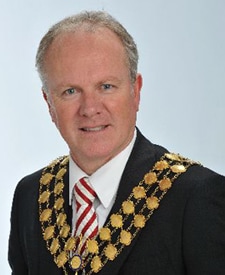
The professional body for the waste and recycling sector inaugurated Mr Skidmore at a ceremony at the House of Commons last week (October 16), making him the 99th president in the Institutions 114-year history.
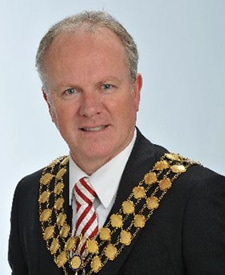
Mr Skidmore, who takes the place of former president Derek Greedy, has been involved in the waste industry for over 30 years. He began his career at the City of Wakefield metropolitan district council, where he held a number of positions before moving to East Riding of Yorkshire council in 2007. He currently holds the role of head of street scene services for East Riding, and is also project director for a joint waste programme with Hull City council. He joined the Institution as a corporate member in 1985.
He used the inauguration ceremony to launch the Institutions Professional Perspectives on Waste & Resource Management report, which highlights the successes and challenges facing the waste management industry in the UK.
Speaking at his inauguration, Mr Skidmore said that the government should take steps to ensure that the economic potential of waste is realised. He said: We need measures to encourage businesses to capitalise on the value of secondary materials and waste-derived energy, recognising that dependency on sending these resources abroad may not be desirable or sustainable in the longer term. Governments must help to plan to keep waste and resources working here in the UK and Ireland, and that means working at a larger than local level and through inter-governmental collaboration.
Priorities
Looking forward, Mr Skidmore identified a number key priorities for the Institution which includes: communications; partnership working with key players such as the retail sector; supporting the regulatory bodies in improving compliance; and health and safety.
He added that now was the time for the industry to be ambitious and to look to a long term vision for waste management.
He said: With resource and energy security issues high on the agenda, and the spectre of climate change now ever present, we are at an exciting tipping point. We may need to work with, rather than against, the economic situation in which we find ourselves but there is no doubt that now is the time to be ambitious, to break down barriers, and to formulate a long term vision for waste management and resource use and conservation – not just for the term of one government, not even for the next decade, but for the next 100 years and more.
Report
CIWMs new report looks at the current state of the industry, as well as successes, challenges and opportunities going forward. It also gives an overview of the different policies on waste and recycling undertaken by UK governments.
The report highlights that significant progress has been made in diverting waste from landfill and increasing recycling and composting. It also notes a tendency for the industry to focus attention on recycling, at the expense of other tiers in the waste hierarchy. However it also highlights that quality of the material continues to be a dominant topic for the sector.
Looking at the different waste policies across the UK, CIWM said that if the UK governments wish to meet the significant challenges facing the industry, then a coordinated approach is needed.
Meeting the signicant waste and resource challenges will require a coordinated approach across national boundaries and involving all stakeholders. It will need leadership and direction from all ve Governments and coordinated thinking and action between Governments.
However it adds that a joined-up approach is also critical to ensuring that measures implemented in one country do not have adverse impacts elsewhere.


Register for free to comment