

However, the local authority claims that the introduction of the charge will not impact the number of fly tipping incidents that occur.
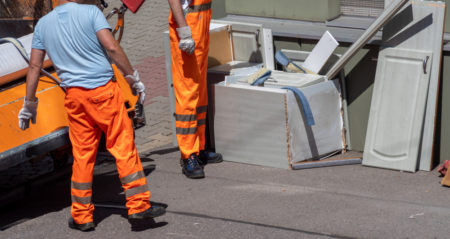
The Leicestershire council’s cabinet voted in favour of scrapping the free collection of bulky waste earlier this month and instead is introducing a £20 for collections from this autumn (see letsrecycle.com story). Residents predominantly use the service for disposing of items including large WEEE and furniture, the council said.
As a result of the removal of the charge, the council anticipates collections will drop from around 20,000 a year currently to 3,000.
Fly-tipping
Some concerns have been raised that the removal of the free service could lead to an impact in fly-tipping rates in the borough.
However, the council has pointed to national data which it says suggests that “there is no connection between the areas with the highest charges for waste collection and the highest rates of fly-tipping”.
The report also suggested that the council’s own analysis of fly-tipping in the area over the previous two years indicates that a “significant proportion does not contain household items collected through the bulky waste scheme”. The main offending items included tyres, asbestos and construction waste.
“A proportion of the waste fly-tipped in Charnwood will have originated in neighbouring areas,” the report added.
Despite this, Charnwood is currently in the process of procuring six mobile cameras for use in deterring fly tipping and will review an exemption scheme for people experiencing hardship.
Review
Currently, the Leicestershire authority – which serves around 166,000 residents – offers three free bulky waste collections to residents each year and a £15 per collection charge for any subsequent collection.
“We must ensure we are operating as efficiently as possible and that means looking at alternative ways of funding services.”
Commenting on the changes, which will be introduced in October, Cllr Leigh Harper-Davies, lead member for major contracts at the council, said: “We must ensure we are operating as efficiently as possible and that means looking at alternative ways of funding services.
“The changes will help ensure we can maintain a high-quality, frontline service.”
A report to the council last month, which the cabinet approved, explained that the new charge will also ensure that the total number of requests from residents remains within the contract agreed figures with its contractor Serco. The council added that electrical items collected are recycled, while the majority of remaining is sent for energy recovery.


Register for free to comment