


The local authority was the first in England to reduce its residual waste collection frequency beyond a fortnightly service in October 2014.
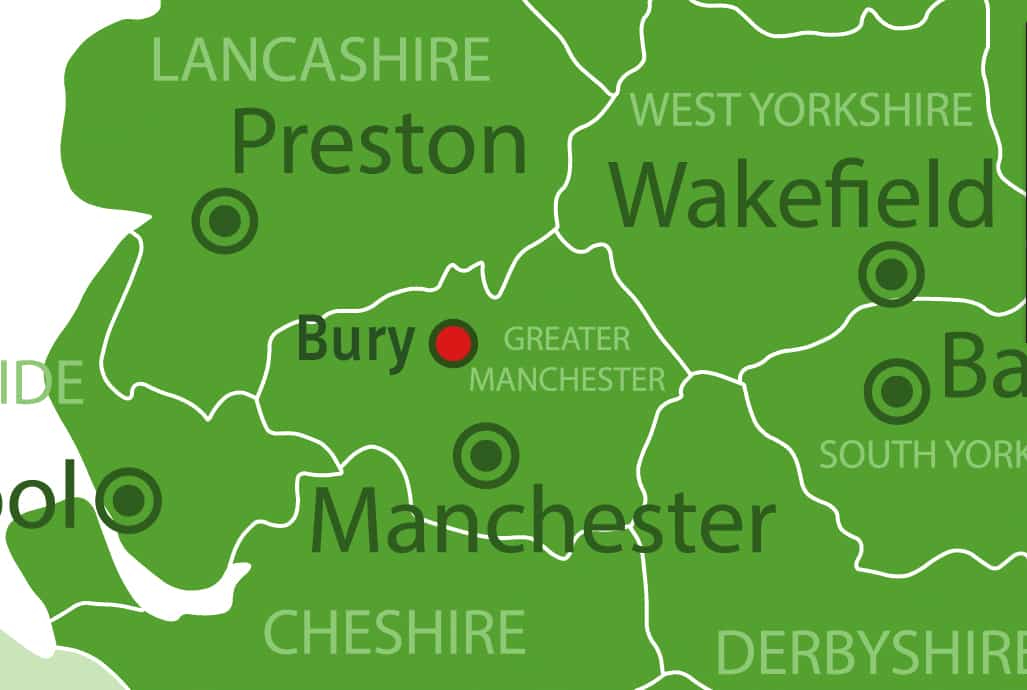 Under the new service, grey residual waste bins were switched from a fortnightly to a three-weekly rotation, while blue and green dry recycling bins are collected every three weeks rather than four. Brown bin collections of food and garden waste remained fortnightly.
The council claims that it has seen its recycling rate reach 57.5% in May 2015 – up from a peak of around 47% a year earlier.
Tonnages
Since the switch in October through until May, the council claims that waste and recycling tonnages have shifted as follows:
• Green bin waste (paper/cardboard) has increased by 454 tonnes compared to the same period the previous year;
• Blue bin waste (metal tins, plastic bottles) is up by 466 tonnes;
• Brown bin waste (food and garden) is up by 644 tonnes;
• Grey bin waste (non-recyclable) is down by 3,923 tonnes.
Councillor Tony Isherwood, Bury’s cabinet member for environment, said: “These figures show that, overall, the new system has been a success.
“Residents should be proud of the part that they have played in improving Bury’s recycling rates. The cost to dispose of one tonne of grey bin waste has risen by £24 to £308 per tonne, huge costs which we can avoid if we recycle all we can and put the right waste in the right bin.
“This is vital, when the council is facing yet another year of multi-million pound cuts. Every penny that we save through recycling is a penny less that we have to cut from other frontline services.”
Three-weekly
Despite becoming the first authority in England to adopt a three-weekly residual waste collection system, councils elsewhere in the UK had already made similar switches.
Falkirk council moved its green bin residual waste collections to a three weekly service in May 2014, when it switched from a fortnightly scheme for 18,000 homes in parts of Airth, Letham, Larbert, Stenhousemuir, Torwood, Boness, Carron and Carronshore, completing the roll-out early this year (see letsrecycle.com story).
And, in Wales, Gwynedd council is also completing the roll-out of a three weekly service after households in the Dwyfor district were the first in the borough to receive a change to their service, after the new timetable was rolled out initially in October 2014 (see letsrecycle.com story).
Bury’s adoption of the service has seen three-weekly collections on the agenda at other English local authorities, including its neighbouring council Rochdale, with councillors approving plans for the service change at a meeting in June (see letsrecycle.com story).
And, this week, letsrecycle.com reported that both East Devon and Powys council in central Wales are looking at moves towards a three-weekly service.


Register for free to comment