


The first part of the study will see Resource Futures collate data to update the national estimates of the composition of bulky household waste collected at the kerbside and through household waste and recycling centres (HWRCs).
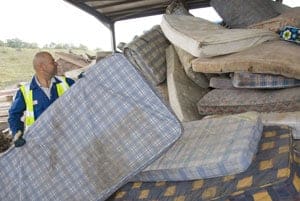
Once complete, the research will be used by the Waste and Resource Action Programme (WRAP) to identify opportunities for bulky waste reuse across the UK.
Resource Futures is calling for local authorities to contribute information from their bulky waste collection records as well as individuals who have access to waste compositional datasets, for either of the two waste streams, with figures starting in 2008.
As part of the study, Resource Futures has been investigating what research already exists and asking some local authorities for call centre log data to identify which products are being collected through bulky waste collection services.
Commenting on the research a WRAP spokeswoman said: As this, and other waste composition data, already exists, were not setting out to conduct new research from scratch, but rather to analyse information from existing studies.
WRAP plans to use the findings to improve the data used in its Benefits of Reuse tool, which was launched in 2011.
Research
Most of the research is expected to be conducted at HWRCs as the majority of bulky waste is disposed of via this route as opposed to kerbside collections.
We anticipate the majority of the analysis will be done at the HWRCs where we can see what bulky items are being disposed of and whether or not they are in a reusable state. We understand that around four-fifths of bulk items are disposed of in this way rather than via kerbside collections, the WRAP spokeswoman said.
WRAP states that this method may take a small amount of new research however this cant be fully assessed until the compositional data has been gathered and analysed.
We wont know the exact nature of these studies until weve completed the first stage of the project, which will help us identify where the main data gaps are.


Register for free to comment