

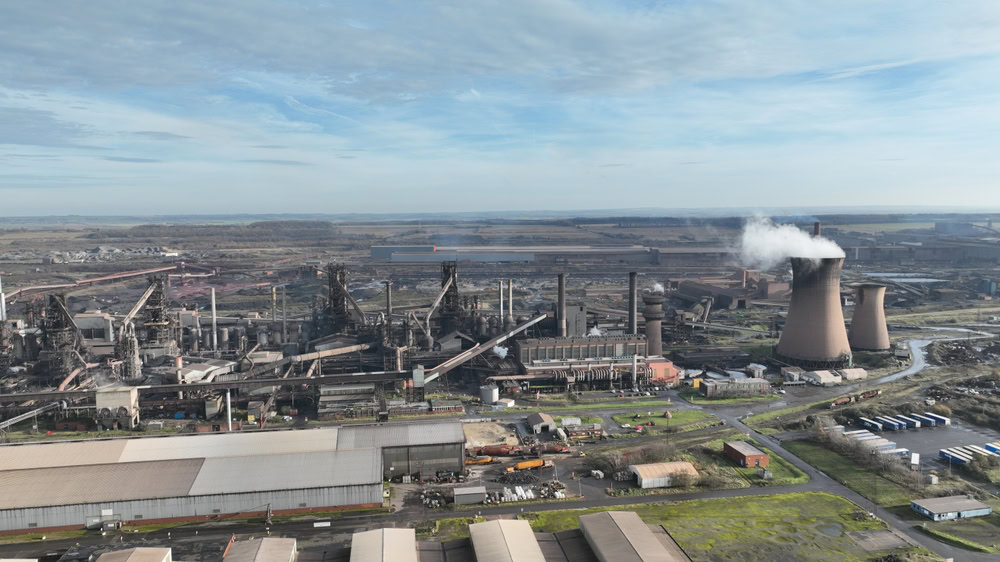
In a statement, the British Metals Recycling Association (BMRA) said the announcement “ends months of uncertainty for metals recycling operators”, many of whom supply British Steel with recycled scrap steel.
The trade body said it now hopes to open discussions with British Steel officials over the company’s future direction, particularly around plans to transition to electric arc furnace (EAF) technology.
BMRA added: “Going forward, we look forward to productive dialogue with British Steel officials when it comes to setting future plans and goals for the company and reassurance that funds will be set aside to reach these plans, not least transitioning to electric arc furnace technology.
“If this transition materialises, and Tata Steel’s electric arc furnace in Port Talbot also becomes operational, total domestic demand for recycled scrap steel could increase to as much as 7 million tonnes.”
Nationalisation of British Steel
The government confirmed today (11 May 2026) that new legislation to be announced in the King’s Speech on Wednesday will give ministers the option to bring British Steel into public ownership.
The proposed legislation would allow the government to nationalise the company, subject to a public interest test being met, while ministers continue to consider options for the business as part of wider plans to rebuild the UK steel sector.
According to the government, the legislation would provide “a route to safeguard UK steelmaking capacity and avoid sudden halt of production at Scunthorpe”.
The move follows government intervention at British Steel in April 2025 under the Steel Industry (Special Measures) Act, which was introduced to ensure uninterrupted steel production and prevent the sudden closure of blast furnaces at the Scunthorpe site.
Ministers said the closure would have disrupted supply chains and placed thousands of jobs at risk.
Since then, the government has been in discussions with British Steel’s current owner over the future of the business.
However, it said it had not been possible to agree a commercial sale on acceptable terms and did not believe a deal could be reached that would deliver value for taxpayers.
Prime Minister Keir Starmer said: “Steel is strategically important to our economy and our national resilience.
“That’s why we acted last year to avoid a sudden halt to production at Scunthorpe, protecting workers and the community that depend on the site, and why we’re now bringing forward legislation to give us options to protect Britain’s steelmaking capability.”
UK Steel Strategy targets scrap steel
The announcement comes two months after the government published its UK Steel Strategy, which placed recycled scrap steel at the centre of plans to revitalise domestic steel production.
The strategy, published on 19 March 2026, aims to reverse the long-term decline in UK steelmaking capacity, with domestic production currently estimated to meet around 30% of UK demand.
Ministers said they want this figure to rise to between 40% and 50% as the industry transitions towards lower-carbon “green steel”.
The strategy also identified the UK’s “abundant supply of scrap steel” as a key competitive advantage and highlighted recycling as increasingly important for both decarbonisation and resource security.

Register for free to comment