


From this week, collectors from Cromwell Polythene will pick-up around half-a-tonne of material each week from St James' Wholesale Market in Essex Street.
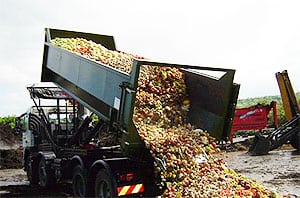 With fruit and vegetable waste now being composted, the Bradford markets team is now to tackle plastic packaging waste |
St James', which is run by the metropolitan district council's markets team, took action 18-months ago because “refuse charges were escalating out of control”.
The team first targeted produce waste and cardboard to cut the 1,800 tonnes of waste diverted to landfill each year, and to cut the 80,000 cost. Around 30% of the waste at the six-acre market site, which sells fruit and vegetables to the city's retailers, is now recycled, saving 25,000 a year.
Each month, around 40 tonnes of waste from the 66 fruit and vegetable units is now sent to Yorkshire Water’s treatment works in Esholt. It is shredded, mixed with slurry and broken down into compost. A further 15 tonnes of cardboard every month is recycled into half-tonne bales and sold to a local paper processor.
Now the team is turning to stretch wrap plastic which includes pallet wrap used to secure the fruit and vegetables, delivered to the market.
Cromwell
Leeds-based Cromwell Polythene will collect the bales of material before sending it to a reprocessor who will make black, plastic refuse sacks.
These sacks, which usually contain 97% recycled polythene, will then be sold to the company's clients across the UK – a range of businesses in the janitorial (washroom and hygiene) industry and 200 councils.
Cromwell Polythene currently collects around 3,000 tonnes of plastic each year and sells around 5,000 tonnes. It aims to recover more than it sells.
| Related links: |
Markets general Manager, Colin Wolstenholme, said: “Since January 2005, market tenants have taken recycling waste seriously, and awareness of reducing waste that goes to landfill, means they are not only helping the environment but also saving money”
Cromwell Polythene's Mark Fuller added: “It's great to be able to return waste plastic back to the production cycle.”


Register for free to comment