

And, options being considered include an expansion of the range of recyclable materials collected at the kerbside, including the potential for food waste collections to be rolled out.
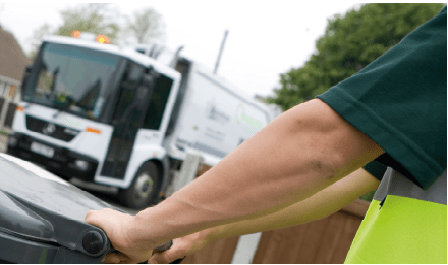
‘A Waste Strategy for Birmingham’ sets out the city council’s vision for managing resources, as the population is forecast to grow by 150,000 by 2031.
At the same time, the council is aiming to reach a recycling rate of 70% for all household and municipal waste during this period in a bid to become a ‘cleaner, greener’ city.
The goal is overshadowed by Birmingham’s performance on recycling, having struggled to reach beyond 30% in recent years.
This has been coupled with a controversial strategy to rollout 240-litre wheeled bins for commingled recyclables across the city while introducing paid-for garden waste collections. In January, the council’s cabinet member for sustainability Lisa Trickett conceded the plan required “a fundamental change” (see letsrecycle.com story).
Improvements
According to Cllr Trickett, the new waste strategy consultation will complement the council’s ongoing review to improve day-to-day collections in the area.
She said: “There is a huge challenge facing the city and a large proportion of that waste is food and much more could be done to recycle more of what is being left in the household rubbish wheelie bin.
“But despite this challenge, we also have a massive opportunity in front of us. Contrary to public perception, waste is actually a resource that, if managed effectively, has not just an environmental value. It has economic and social worth too.”
Refuse
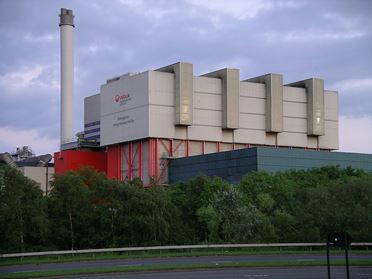
In planning the future of waste services, Birmingham will be looking beyond its current refuse disposal contract – which is due to expire in January 2019. At present, residual waste is collected weekly and sent to Veolia’s energy from waste facility in Tyseley and to landfill.
While highlighting that Birmingham would like to see waste to landfill eliminated by 2035, the consultation does not consider reducing the frequency of collections – a policy which could be adopted from 2017 onwards under DCLG grant stipulations.
However, the survey does ask residents whether they would like to see the range of materials collected at the kerbside expanded – including food waste and textiles. It follows a public protest led by Friends of the Earth for the introduction of food waste collections in the city last summer.
Cllr Trickett added: “By working closely with a range of partner organisations we now also understand that the way we manage waste and its collection has to become decentralised and flexible in approach because one size doesn’t fit all.”
Residents will have until 31 July to reply to an online survey on the council’s proposals.


Register for free to comment