

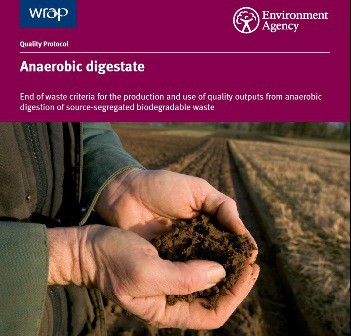
Quality Protocols setting out end of waste criteria for biomethane, gypsum and anaerobic digestate (AD) have been published by the Environment Agency today (March 18).
All three QPs published today were developed by the Agency and the Waste and Resources Action Programme (WRAP) in consultation with national UK governments and other regulatory stakeholders.
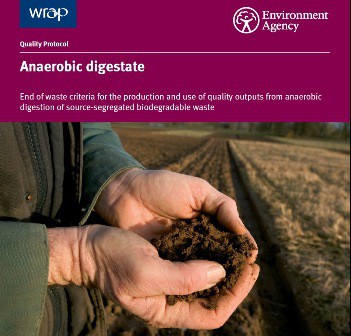
The Protocols for gypsum and AD have been funded by Defra, the Welsh Government and the Northern Ireland Environment Agency (NIEA) and are applicable throughout the UK. The biomethane QP, meanwhile, is applicable in only England and Wales.
Quality Protocols (QPs) identify the point at which waste, having been fully recovered, may be regarded as a non-waste product that can be used in specified markets, without the need for waste management controls.
They also aim to increase market confidence in the quality of materials produced from waste.
QPs have been produced for a range of materials in the UK in response to uncertainty of the point at which waste has been fully recovered ceases to be a waste within the meaning of Article 3(1) of the EU Waste Framework Directive.
However, they are not statutory and producers and users are not obligated to comply with them, although if they do not waste management controls will apply to the handling, transport and application of their output.
Furthermore, the QPs do not affect the obligation of producers to hold an environmental permit to comply with its conditions when processing, burning or storing waste. The documents will be reviewed and updated as the Environment Agency considers appropriate.
Related Links
Gypsum
The QP for gypsum sets out the end of waste criteria for the production and use of recycled gypsum from waste plasterboard.
There are two designated markets outlined in the document for gypsum: as a raw material in the manufacture of new gypsum-based construction products, such as plasterboard an coving; and as a raw material in the manufacture of cement.
AD
The QP for anaerobic digestate sets out the criteria for the production and use of quality outputs from AD of source-segregated biodegradable waste.
According to the Agency, quality digestate from AD include the whole digestate, in addition to any subsequently separated fibre or liquor fractions.
Anaerobic Digestate can comply with end of waste criteria and cease to be a waste if it is used as either: in agriculture and horticulture as a fertiliser or soil improver; or in land restoration through soil manufacture, blending operations or land reclamation.
Biomethane
Developed under the European Pathway to Zero Waste partnership project and assisted by the LIFE financial instrument of the European Community, the QP for biomethane outlines the end of waste criteria for the production and use of biomethane from landfill gas and AD biogases.
‘The Quality Protocol sets out end of waste criteria for the production and use of biomethane arising from the degradation of organic wastes in a landfill site or anaerobic digestion plant, for injection into the gas grid or use in an appliance suitably designed and operated for natural gas.’
Quality Protocol for biomethane
The QP requirements for biomethane vary depending on which of its two designated applications for which it is produced: for injection into the gas grid; or for fuel in a natural gas appliance.
The document states: The Quality Protocol sets out end of waste criteria for the production and use of biomethane arising from the degradation of organic wastes in a landfill site or anaerobic digestion plant, for injection into the gas grid or use in an appliance suitably designed and operated for natural gas.
In February, a number of speakers at letsrecycle.com’s End of Waste conference in London suggested that the EU would be unlikely to produce further end of waste criteria in the near future (see letsrecycle.com story).


Register for free to comment