



Matthew Taylor, now chief executive at the Royal Society of Arts, made the comments at a Green Alliance event yesterday (February 1) entitled ‘Power Shift' which explored what big society and localism would mean for the environment.
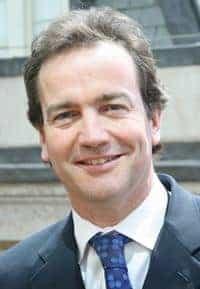
I see the opportunity to inspire, encourage and support grass roots community-led action
Nick Hurd
Civil society minister Nick Hurd told the event that Big Society was about transferring power from central government to local communities and “getting more people involved”.
On the topic of the environment, while stressing that he was not the minister responsible for this area, he said: “I see the opportunity to inspire, encourage and support grass roots community-led action. People are tremendously motivated by a desire to improve their local environment.”
Last month, the Furniture Reuse Network identified the government's Big Society concept as a “major opportunity” for reuse charities and social enterprises to deliver more services in both the public and private sectors (see letsrecycle.com story).
Mr Hurd said ministers were working busily to make this vision a reality, citing a £4 million Big Society bank and the re-direction of Big Lottery moneys to community and voluntary organisations as just two examples.
However, in response, Mr Taylor said that there were two major problems with the Big Society idea. While he said he strongly supported the notion, he questioned how it could be achieved at a time when the third sector was shrinking due to public spending cuts.
This, he said, had already led to many councils cutting their funding to third sector organisations – which was seen as a quick and easy way to make cuts when compared to shedding public sector jobs.
Clarity
He added that there was also no clarity in what part local authorities and the private sector would play in delivering the Big Society, and urged David Cameron to implement the policy throughout government, which might involve holding arguments with other departments such as the Treasury.
He said: “Big Society is great in principle but patchy and disappointing in practice. I think the credibility of the concept is in doubt – it seems to so badly fit the reality on the ground”.
Mr Taylor also stressed the difficulty of getting small groups of people to work together, commenting: “Getting people to work together is bloody difficult and in my experience usually doesn't happen.”
Further calls for clarity came from other speakers at the event, including: Dame Fiona Reynolds from the National Trust and Simon Roberts from the Centre of Sustainable Energy.
Society
Responding, Mr Hurd said that there were thousands of community organisations which did not rely on state funding and said it was therefore “a bit much” to suggest that society was going to get smaller.
He added that not all councils were cutting funding to community groups and that the government would spread best practice. He said: “If the situation is as bad as claimants would have it we would be prepared to take further action”.
Mr Hurd explained that there were three strands to the Big Society agenda. These are:
1 – Transfering power to communities – with a focus on the Localism Bill currently going through parliament.
2 – Public service reform. A public service reform white paper will be coming out at the end of February/beginning of March. This will include new rights for communities and public employers to buy and run services.
3 – Inspiring more social action. A White Paper on social action will be published towards the end of March.


Register for free to comment