

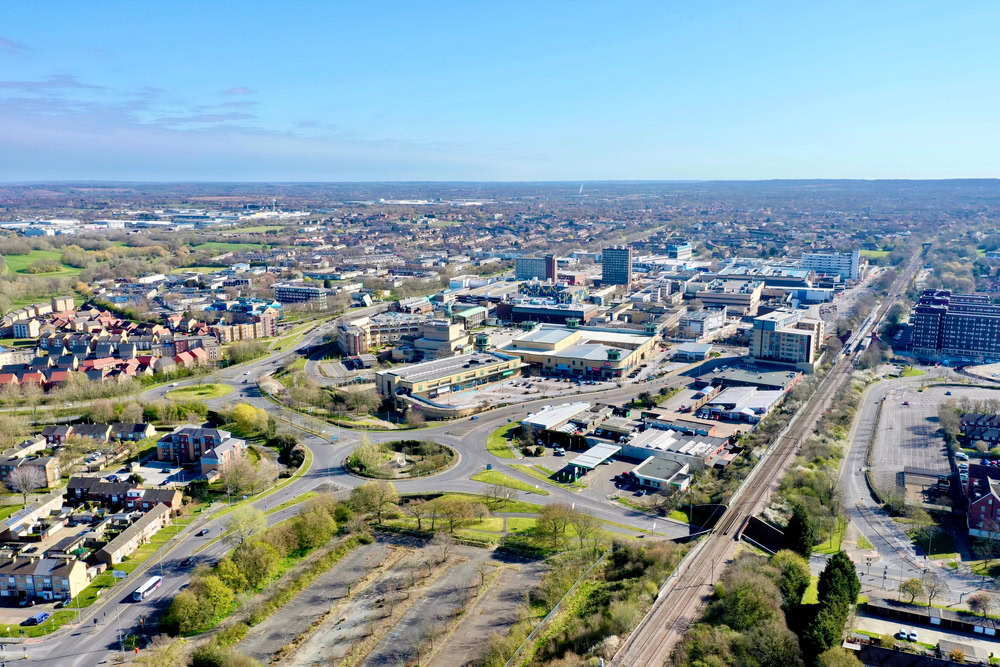
The decision, handed down on 1 September 2025, found that while the facility would provide significant waste management benefits, these were outweighed by “substantial and unacceptable harm” to the visual amenity of nearby residential areas.
The Inspector, Diane Lewis, also gave “moderate weight” to residents’ perception of harm.
The proposed development was presented as a Combined Heat and Power (CHP) plant with two distinctive 50-meter chimney stacks, intended to serve a co-located waste recycling facility with a capacity of 150,000 tonnes annually.
‘Let me say it plainly: They do not want it’
Essex County Council’s Development and Regulation Committee first rejected the scheme in May 2024, citing visual impact, land use suitability, impacts on public health and compatibility with local waste management policies.
When Archers Fields lodged an appeal, the council opted to defend only its primary concern: the visual impact of the stacks on neighbouring residential areas.
During the hearing, Leader of Basildon Council, Councillor Gavin Callaghan, said: “The people of Pitsea have been here before. They fought the biological waste plant – and they lost. But history proved them right. They were ignored then. Don’t ignore them again now.
“This part of Basildon is trying to build a better future. New homes. Healthier lives. Safer communities. Don’t destroy that progress by granting this appeal.”
Local residents and community groups have raised their views in opposition, with over 2,500 petition signatures submitted against the development.
Pitsea North West Ward Councillor, Emma Callaghan, added: “These are resident who live just 150 metres from the site you’re being asked to approve for a new toxic waste Incinerator.
“Let me say it plainly: they do not want it. And there are strong planning reasons to reject it.”
Previous waste facility failings
While Lewis accepted technical evidence showing the ERF would pose a very low risk to public health if properly regulated, she ruled that the community’s concerns were “genuine and have a reasonable basis” given the area’s history of waste facility failures and fires at the existing Clearaway site, including a large fire that occurred in January 2024.
This included Tovi Eco Park, a mechanical and biological waste treatment plant that was built in 2013 and demolished in 2023, which the appeal document suggested “undermined confidence in assurances about regulation and no pollution”.
Lewis also noted shortcomings in the developer’s commitments to heat export and carbon capture readiness, concluding that promised benefits were uncertain and carried limited weight.
The appeal rejection concluded: “The visual harm to the home environment of many residents would be significant and for the nearest residential area, unacceptable.
“The adverse effect on the well-being of the community through the perception of harm supports that conclusion. For the reasons given above the appeal should be dismissed.”

Register for free to comment