


The deal, which will see APP provide its patented synthetic gas technology to Port Fuels & Materials Services facility in the Port of Hamilton, represents the companys first order for a full-scale commercial facility.
With an estimated 13 million tonnes of commercial and municipal waste produced annually in Ontario, the region is under pressure to develop alternative methods of disposal.
The Port of Hamilton plant will process up to 170,000 tonnes of this waste a year, and generate 20MW of electricity for the Canadian grid.
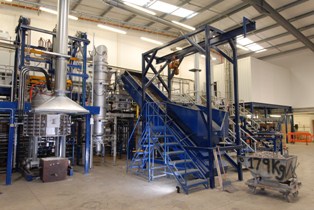
In order to process a range of waste streams, APP will deliver its Gasplasma technology to gas engines to generate the power needed for the site.
The plant is currently subject to final regulatory approval, and construction is scheduled to start once Port Fuels & Materials Services has received relevant permits.
Commenting on the decision to award the contract to APP, Bob Clark of Port Fuels & Materials Services, Inc. said the syngas solution was one of the best examples available on the international market.
Unique
He said: The unique combination of gasification and plasma arc technology makes APPs Gasplasma solution the most efficient on the market today.
Consequently, the project will enable a significant step forward towards greater resource efficiency in the region and will respond to the huge pressures on existing waste infrastructure.
Rolf Stein, chief executive of APP, added: This landmark deal is a significant milestone for the commercialisation of the Gasplasma technology. Furthermore, for the Port of Hamilton, it allows local waste to be treated as a valuable resource delivering a source of low carbon energy generation.
ETI
Meanwhile in the UK, APP is currently competing to develop a waste gasification plant as part of a 13 million Energy Technologies Institute (ETI) project (see letsrecycle.com story).
Related Links
The competition has seen the APP-led consortium submit plans for a demonstrator plant in Tyseley to show how energy-from-waste gasification can achieve a commercial output of between 5-20MW. If successful, the firm could see its facility become operational by 2016.


Register for free to comment