

In a breakthrough for the aluminium sector, the UK’s approach to aluminium in the ash will now be in line with the rest of Europe. And, the agreement for the measure by regulators, including the Environment Agency, is seen as important because more incinerators will come on stream across England and Wales over the next few years.
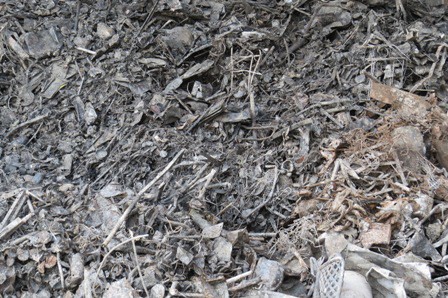
- The agreement, comes in the form of an Incinerator Bottom Ash Protocol.
It will mean that as much as 10,000 tonnes of recovered aluminium could be counted towards the annual packaging waste recycling targets set for the recovery of aluminium packaging.
The regulators have agreed that 50% of the aluminium recovered from IBA will count as packaging.
The exact tonnage which is recorded as recycled under the packaging waste systems, will depend on whether or not the energy from waste plant operators actually choose to register for issuing PRNs. Some aluminium reprocessors have chosen not to register this year because they perceive the PRN value, currently circa £10 per tonne, as being too low. At £10 a tonne, the income is a low proportion of the value of a tonne of aluminium, (old rolled material containing cans is worth about £700 per tonne and IBA aluminium is worth about £400+ per tonne).
Balanced
However, the introduction of the IBA aluminium packaging protocol, while likely to increase the tonnage of aluminium packaging recorded as recycled, will not see a huge surge in tonnages counted as recycled. This is because the aluminium sector is to “lose” an estimated 8,000 tonnes which it currently records through a protocol agreed in 1997, and this will have to be balanced off against the tonnage from EfW plants.
The 1997 protocol covers the “old rolled” grade under which the Environment Agency accepted that about 13% of the grade would be aluminium packaging. This protocol harks back to the days before kerbside recycling when scrap merchants would buy cans from the public and the aluminium cans sector organised “cash for cans” depots. (Metals recycling businesses will still be eligible to apply for bespoke protocols for their sites if they can show that the old rolled grade they produce still contains a significant amount of aluminium packaging).
Now the new protocol for IBA has been agreed, the aluminium sector is expected to encourage incinerator operators to register for issuing aluminium PRNs to help ensure the tonnage counted under the PRN system doesn’t drop with the loss of the old rolled tonnage. The Environment Agency is also notifying EfW plant operators of the changed rules.
The new protocol follows research carried out for the Aluminium Packaging Recycling Organisation (Alupro) which said that its introduction follows an extensive and detailed study in co-operation with the UK-based companies that process IBA and in consultation with the Environment Agency.

Strategy
Rick Hindley, executive director of Alupro, explained that the development of the protocol is part of Alupro’s strategy to try to ensure that all of the aluminium packaging collected for recycling is counted to arrive at the “true” recycling rate. He said that in the past the sector has “expressed concerns about the ability of the PRN system to accurately report the true recycling performance of aluminium packaging. The new protocol will also enable a more accurate comparison between the sector’s recycling performance in the UK with its European counterparts.”
And, he emphasised that the new protocol would not mean less attention being paid the recycling of cans from local authority collections. “We are very clear that is not our message. We will always be prioritising cleaner aluminium from the kerbside as this is high quality aluminium which can go back into packaging. IBA materials is of lower quality and because of the alloy mix has to go into other uses such as castings for the auto industry.”
What is Incinerator Bottom Ash (IBA)?
Incinerator Bottom Ash is the residue of the waste-to-energy process whereby the energy content of solid municipal waste is recovered, through incineration and forms about 15-23% in mass of the incinerated waste. Typically IBA is the inert content of the waste comprising ferrous and non-ferrous metals, glass and various aggregates such as sand, concrete and ceramics. Approximately 1 million tonnes of IBA is produced in England and Wales each year.

Register for free to comment