


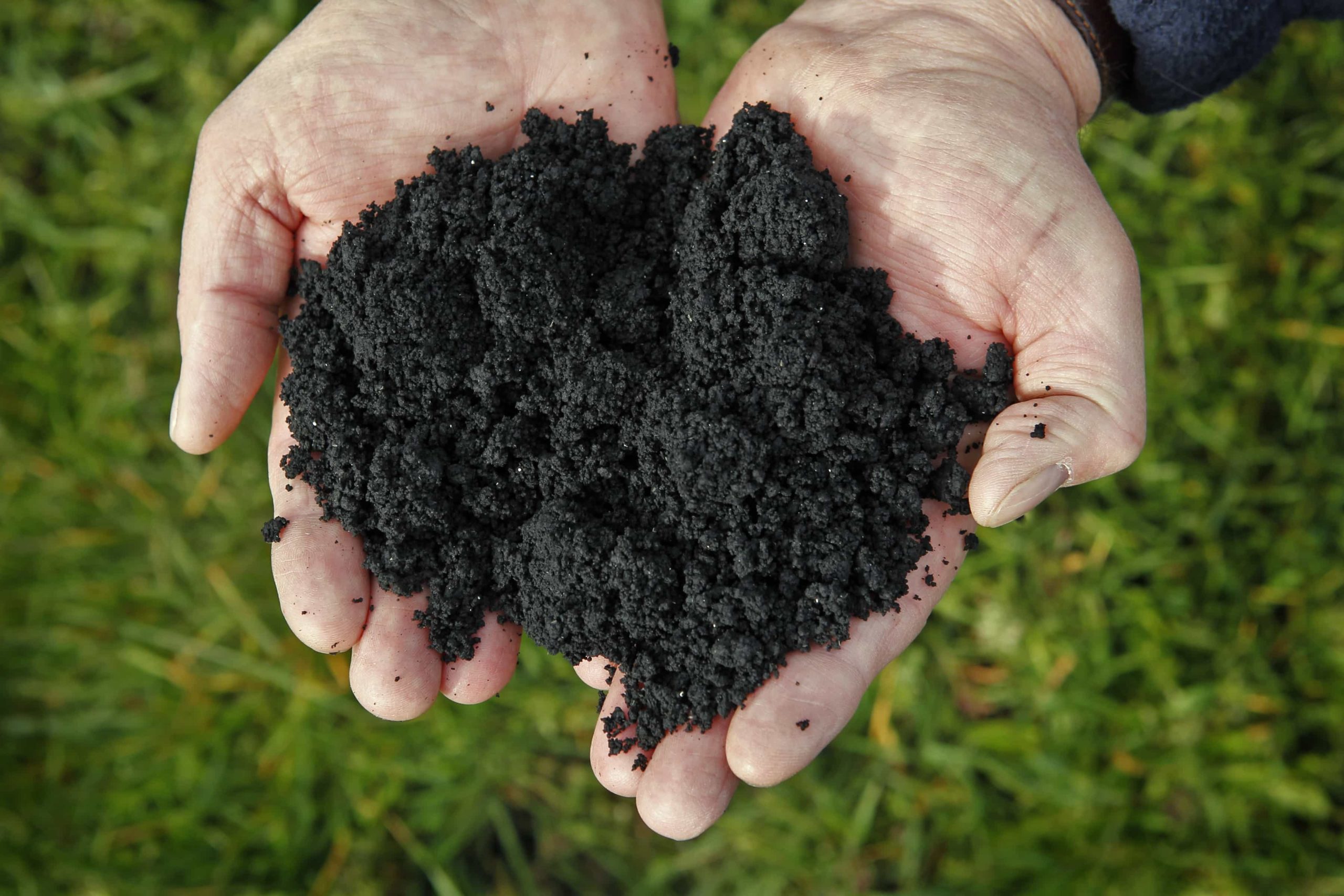
But, NFU Scotland warned that farmers should be ‘aware of risks’ when using biofertiliser from anaerobic digestion plants on their crops, which could potentially ‘cut them off’ from certain buyers and markets compared with other soil conditioners.
Quality Meat Scotland – which was set up to encourage confidence in the red meat industry – has updated its quality assurance standards to reflect the ‘significant progress’ made in researching the effects of AD output on crops.
Anaerobic digestion produces energy from organic waste and also produces a rich bio-fertiliser, which is high in valuable nutrients such as nitrogen, phosphorus and other elements required for healthy plant growth and fertile soil. This can then be used back on farmland to grow more food and keep the soil healthy.
Concerns
Concerns had previously been raised that the process could also actively cultivate the Clostridium botulinum organism – a bacterium which is known to be hazardous to both humans and livestock.
However, three research projects have now been completed, the most recent in July 2014, confirming no ‘significant growth’ of the organism in anaerobic digestion and risks similarly low to those associated with livestock slurries.
Confirming its revision, Suzanne Woodman, QMS brands integrity manager, said: “Historical concerns over the safety of applying compost and digestate to land have now been addressed to an extent which has allowed us to achieve significant progress and substantial revision of the previous restriction on their use by members of the assurance scheme.”
As a result, the Bulk Organic Fertilisers section of the assurance standards now allows composts and digestates to be applied to land, provided they are PAS 100 and PAS 110 certified, and meet additional physical contaminants restrictions.
[testimonial id = “90” align=”right”]
NFU
Andrew Bauer, director of policy for NFU Scotland, said that while use of digestate may offer a ‘more competitive price’ compared to other fertilisers, he warned that physical contaminant restrictions are ‘among the strictest in Europe’.
However, he conceded that a greater uptake of digestate may factor in a new boost for AD investment in Scotland.
Mr Bauer said: “Bio-fertiliser is a potentially valuable fertiliser but farmers need to be aware of the potential risks. Yes, these standards are less strict, but that is compensated by the fact that they are more strict on the physical containment. Farmers need to understand both the risks and benefits of using it and the appropriate guidance to ask questions before taking it onto their land. These standards set by QMS are some of the tightest within the UK, even Europe.”
“NFU Scotland has been working with Zero Waste Scotland, and will continue to do so, to produce guidance for farmers on what they should be looking for when taking on anaerobic digestate.”
‘Breakthrough’
Welcoming the standards revision, Iain Gulland, chief executive of Zero Waste Scotland, said: “This decision by Quality Meat Scotland to permit the use of compost and fertiliser products derived from food waste is a breakthrough for a circular economy in Scotland.
“Food and other organic wastes contain nutrients which are important to plant growth, so it’s appropriate they are returned to the soil when it’s safe and right to do so.”


Register for free to comment