



As most of us will know, when it comes to comparing different nations’ recycling performances, the UK has been dragging behind much of Europe for a number of years.
With the European Circular Economy Package predicting that the plastic recycling rates target will be at 55% by 2025 and with the UK’s plastic recycling rate at 46% in 2016, we need to be recycling 2% more plastic each and every year for the next decade, just to stay on target.
A difficult task. In Valpak’s Packflow 2025 Summary Report, they suggest that plastics recycling will need more support. Additional investment in collection, sortation and recycling infrastructure is required for recycling rates to grow sufficiently.
And it’s not just plastics – recycling of all materials in the UK has to be at increased rates.
So, where is this shift coming from? In Valpak’s report, they identified two primary government activities that have been shown to drive up recycling rates. The first of these is government spending on recycling collection infrastructure. Secondly, it’s the blunter instrument of rising landfill taxes.
This effort from government then needs to translate into defined actions, primarily from commercial organisations, where changes in processes can make huge differences to the rates of recycling.
Reshaping our recycling efforts
It’s a given nowadays that recycled waste needs to be separated properly– put simply, if your waste is not sorted correctly then you will not be paid for it.
This is one area which the UK needs to improve on. Plastics are particularly difficult when it comes to sorting, with around seven basic types of commercial plastic and uses. Much of this plastic is currently going unrecycled – PET plastics, for instance, are one of the most commonly used plastics. However, whilst being a recyclable plastic, it has previously been reported that less than one third of it gets recycled.
When quality falls short too in the sortation, the subsequent quality of baled materials will also fall short. As Ray Georgeson, chief executive of the Resource Association, put it in 2013, “Where quality falls short, you either have to spend time and money removing all the stuff you don’t want – glass from paper, plastic from aluminium – or sell it on to markets abroad, […]. Communication must be stronger, perhaps even imposing penalties or incentives on consumers and commercial outfits to sort waste better for collection.
Baling, and the hidden extras
For commercial organisations dealing with high volumes of waste, baling machinery is a must. Any organisation that is producing waste in excess of two tonnes per week should be using suitable machinery to deal with this waste in an efficient manner. This ensures that managing waste, such as plastics, cardboard, and paper, is much smoother and easier.
Cardboard materials, for example, can be particularly difficult in terms of storage space. Some machines available in the UK provide the solution to this, as they are designed to flatten and perforate cardboards. This effectively turns them into packaging material and are ideal for shipping and storage areas.
In terms of plastics, the UK market also offers balers which compress different types of plastics, cardboard, and film, reducing the volume of your waste by up to 95%.
For many organisations and their stakeholders, large balers can seem like a minefield. Outlay costs of the purchase or leasing, ensuring maintenance and safe operation in addition to staff training could seem costly.
Benefits
However, what many UK firms neglect to consider are the long-term benefits that these compressing machines can offer. Research by letsrecycle.com shows a value for the materials so ultimately, this means that baled waste is a return on investment, and in time, the cost of the machinery should have paid for itself.
Not only do you get hard cash back from your baled recyclable waste, but there are more intangible benefits too. In January, Unilever uncovered that a third of consumers are now choosing to buy from brands they believe are doing social or environmental good.
Unilever goes on to suggest that “This represents a potential untapped opportunity of €966 billion out of a €2.5 trillion total market for sustainable goods.” (Unilever, Jan 2017).
If we are to out-do our European peers, we must start to encourage businesses to take up recycling better.
If businesses are actively seeking out waste management solutions, such as baling presses which deal with cardboard and other types of waste, not only will we achieve that all-important recycling target, but it will help our businesses long-term too.
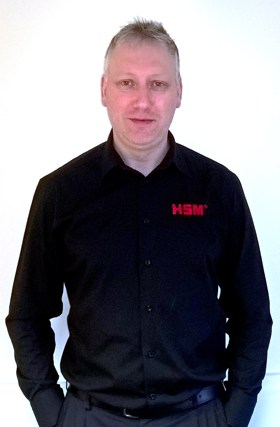
Author: David Coleman is operations director at HSM UK Ltd based in Burntwood, Staffordshire

Register for free to comment