

A total of £27,000 collected through the 2015 compliance fee from waste electrical and electronic equipment (WEEE) is to be spent on the research – along with £19,000 carried over from the 2014 compliance year.
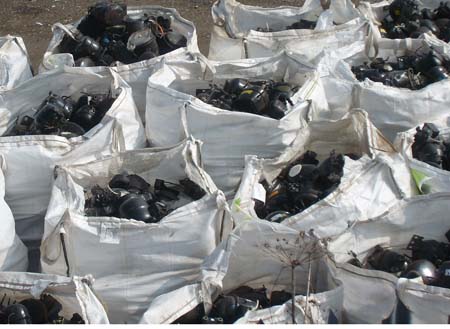
The compliance fee is imposed on schemes which have been unable to collect enough evidence for the recycling of a particular type of WEEE product. It was brought in as a mechanism under the 2013 WEEE Regulations, and first used in 2014.
Strategic
The money raised will be used to finance a UK-wide ‘strategic WEEE research project’ with one or more of the following aims:
- Support the WEEE Directive requirement for Member States to achieve a 65% collection rate by 2019
- Encourage the increased reuse of whole appliances
- Increase recycling rates of collected equipment
- Other projects that support the strategic aims of the WEEE Directive
Submissions for the project open today (12 August) with a deadline set for 15 September 2016.
Defra panel
A panel, chaired by Defra, with participants from the WEEE stakeholder community will then assess the project outlines and select the winning idea which will be used to develop a specification.
A number of researchers will then be invited to bid for the work – with the application process to be managed by the administrator, Mazars. A winning bid will be announced in late November with the finalised research due to be published by July 2017.
Welcoming the news, Richard Hughes, chairman of the Joint Trade Associations (JTA) and technical director at AMDEA, said the research was proof of the WEEE compliance system’s efficiency.
The JTA is a group of eight leading trade associations in the electrical and electronic field, representing 90% of companies obligated under the WEEE compliance system.
Mr Hughes said: “Today’s announcement shows the UK’s WEEE system is working. A correctly set annual Compliance Fee mechanism, reflective of in-year market conditions, is essential for the proper functioning of the UK system.”
Earlier this month, Defra also issued a call for proposals for a compliance fee methodology that will help to determine how the fee is set for 2016 (see letsrecycle.com story).

Register for free to comment