

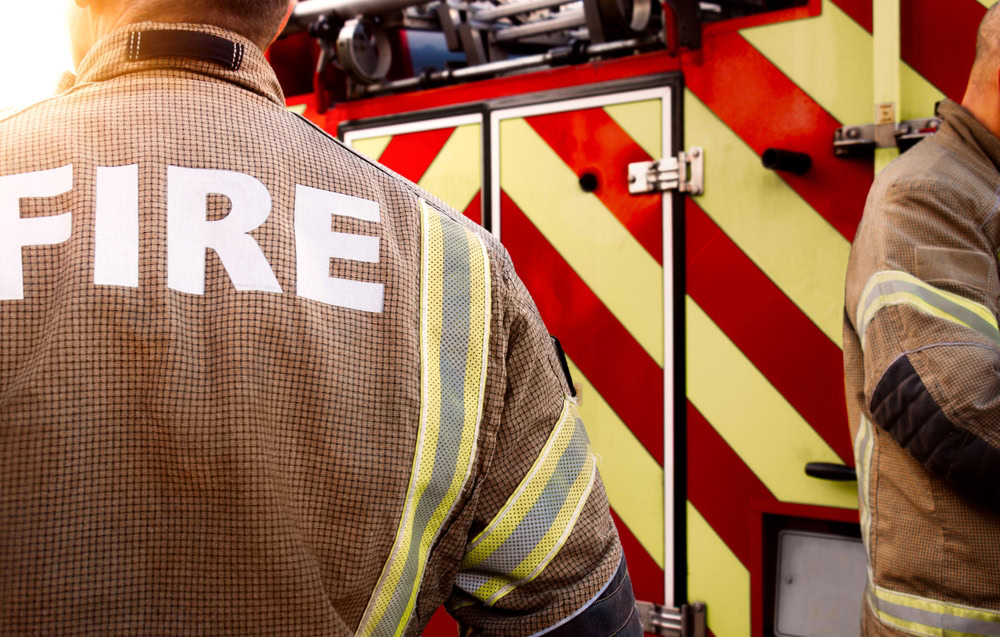
From 28 to 30 July, temperatures in Greater London peaked at 35.2 degrees and saw fires exceed 4.3 times baseline levels.
The data, which excludes fires that occurred on refuse vehicles, was shared by the East London Waste Authority (ELWA) to raise awareness of the increasing problems surrounding waste fires.
ELWA covers the London boroughs of Barking & Dagenham, Havering, Newham and Redbridge.
Local authorities and waste facilities across London experienced an increase in fires this summer, with one facility in Deptford seeing two major fires in the space of three months.
The fires destroy essential infrastructure and pose an extreme risk to worker health and safety.
However, it should be noted that not all of the fires in this data represent “major incidents” and the data includes events such as smouldering and smoke reports that did not escalate.
Protecting frontline staff from fire risk during hot weather
Executive Director of the ESA, Jacob Hayler, said: “Recycling and waste operatives provide a vital frontline service upon which we all rely – often performing very demanding physical jobs in all weather conditions for prolonged periods of time, while working to ensure that the nation’s waste doesn’t pile up.
“Although workers are still more likely to experience cold or wet conditions in the UK over the course of the year, summer heatwaves are becoming commonplace and present new challenges to operatives.
“In consultation with our members, we have produced practical guidance for employers across the sector to help identify, assess and mitigate risks associated with hotter weather.
“We hope that this provides a useful resource and contributes towards keeping workers safe across the industry.”
With the increased fire risk associated with hotter weather, the guidance includes advice for operators managing permitted waste sites where materials are stored or processed.
It recommends reviewing fire prevention measures and taking additional steps to minimise ignition risks during periods of extreme heat.
To support implementation, the document includes guidance on carrying out hot weather risk assessments covering thermal stress, UV and solar radiation exposure, fire risk, air quality considerations for workers with respiratory or allergic conditions, and operational planning.
A practical preparation checklist is also provided to help organisations identify actions, assign responsibilities and prepare for future periods of hot weather.

Register for free to comment