

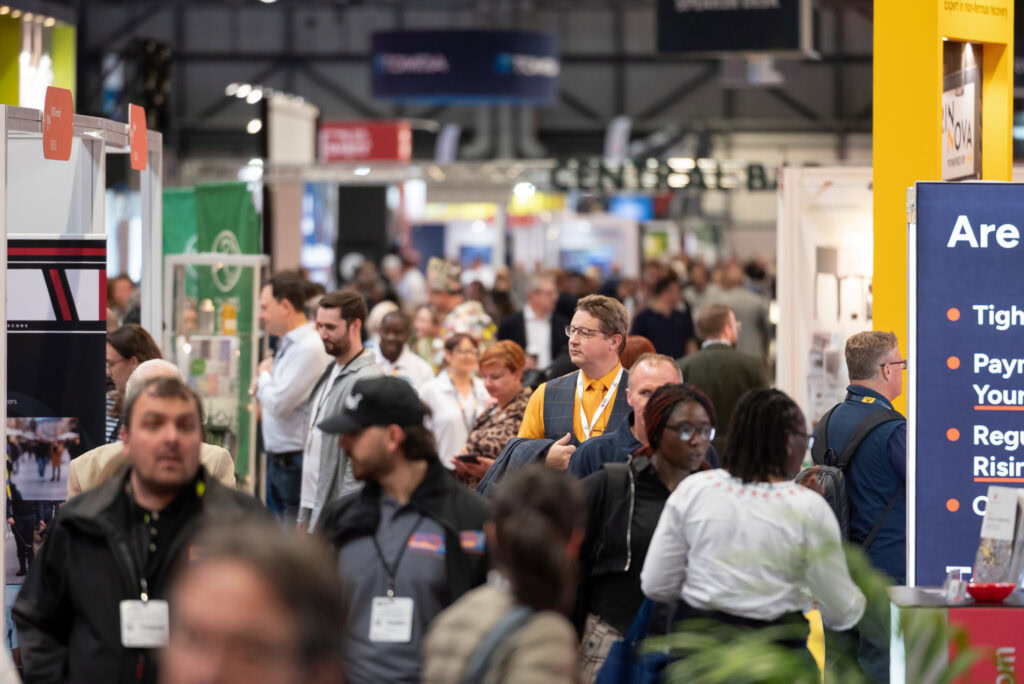
With another packed day of panels, presentations and discussions across the show, here are a few of the recycling and waste management highlights from the second day.
Women in waste
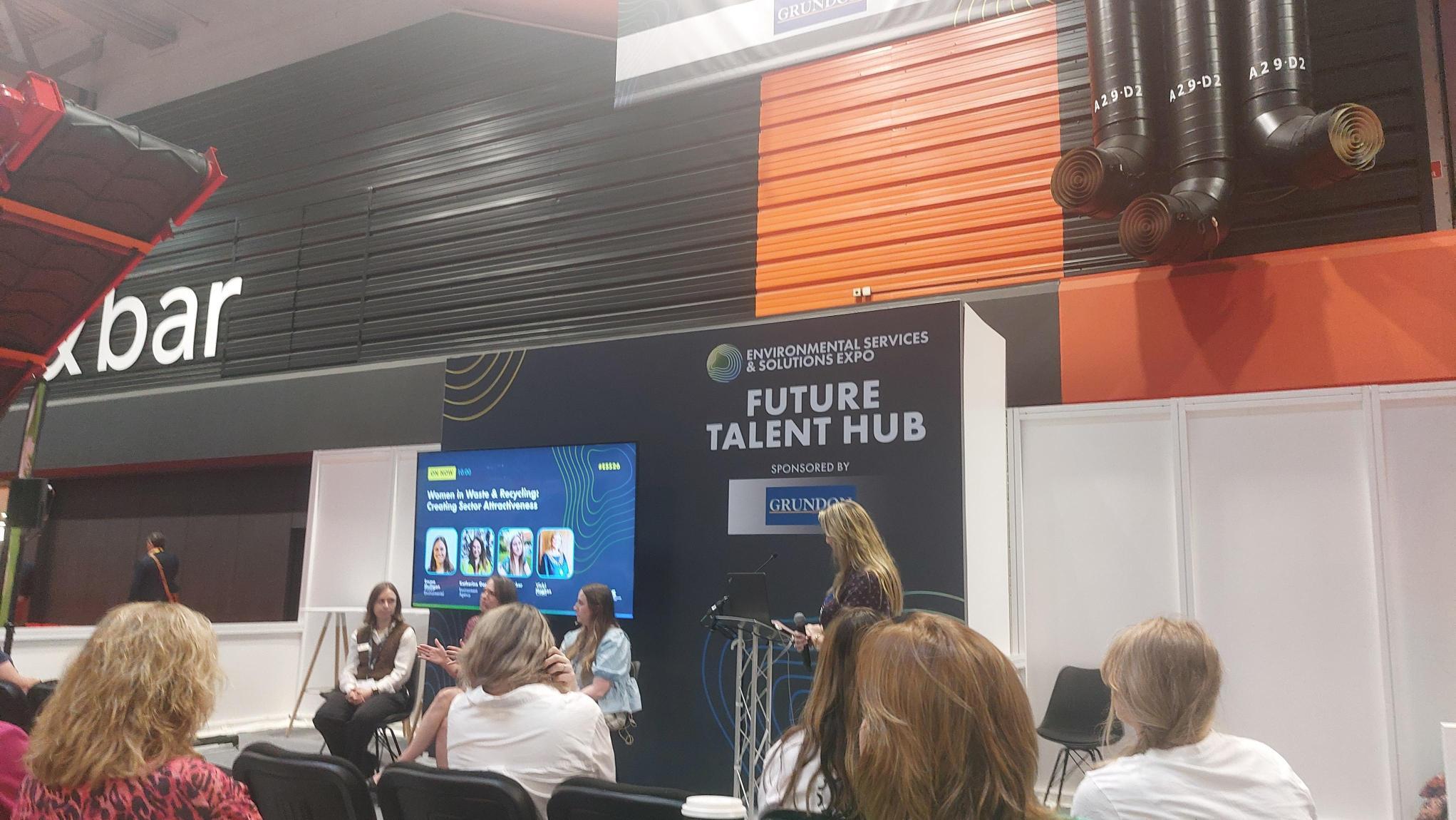
Improving recruitment, retention and progression for women was the focus of the ‘Women in Waste’ session, with panellists exploring how the sector can broaden its talent pool and better support those already working in it.
The discussion included changes to recruitment processes, including blind hiring at the early stages, alongside the importance of showcasing the breadth of career opportunities available across the waste industry.
Panellists also highlighted the role of strong support networks and mentoring in helping women progress into roles where they remain under-represented.
The language used to describe the sector was another focus, with delegates considering how perceptions and connotations around the word ‘waste’ could influence both recruitment and how the industry markets itself to potential employees.
Decarbonising plant machinery
The challenges and opportunities around cutting emissions from off-highway machinery were explored in the ‘Decarbonising Plant Machinery: Powering the Next Generation of Construction Equipment’ session.
Panellists discussed the growing range of alternatives to diesel, including battery-electric, hybrid, HVO and hydrogen, while stressing that different technologies will suit different applications. Waste sites were highlighted as a particularly interesting area for electrification, with indoor operations and facilities generating their own energy potentially offering advantages.
Real-world projects involving Newport Council, EMR and Grundon provided insight into the performance of electric machinery in waste operations, including run times, charging requirements and how operators have adapted to the technology.
The discussion also examined the wider infrastructure and investment needed to electrify fleets, as well as what operators can do with existing machinery through maintenance, reducing idling and changing working practices.
DRS – one year to go
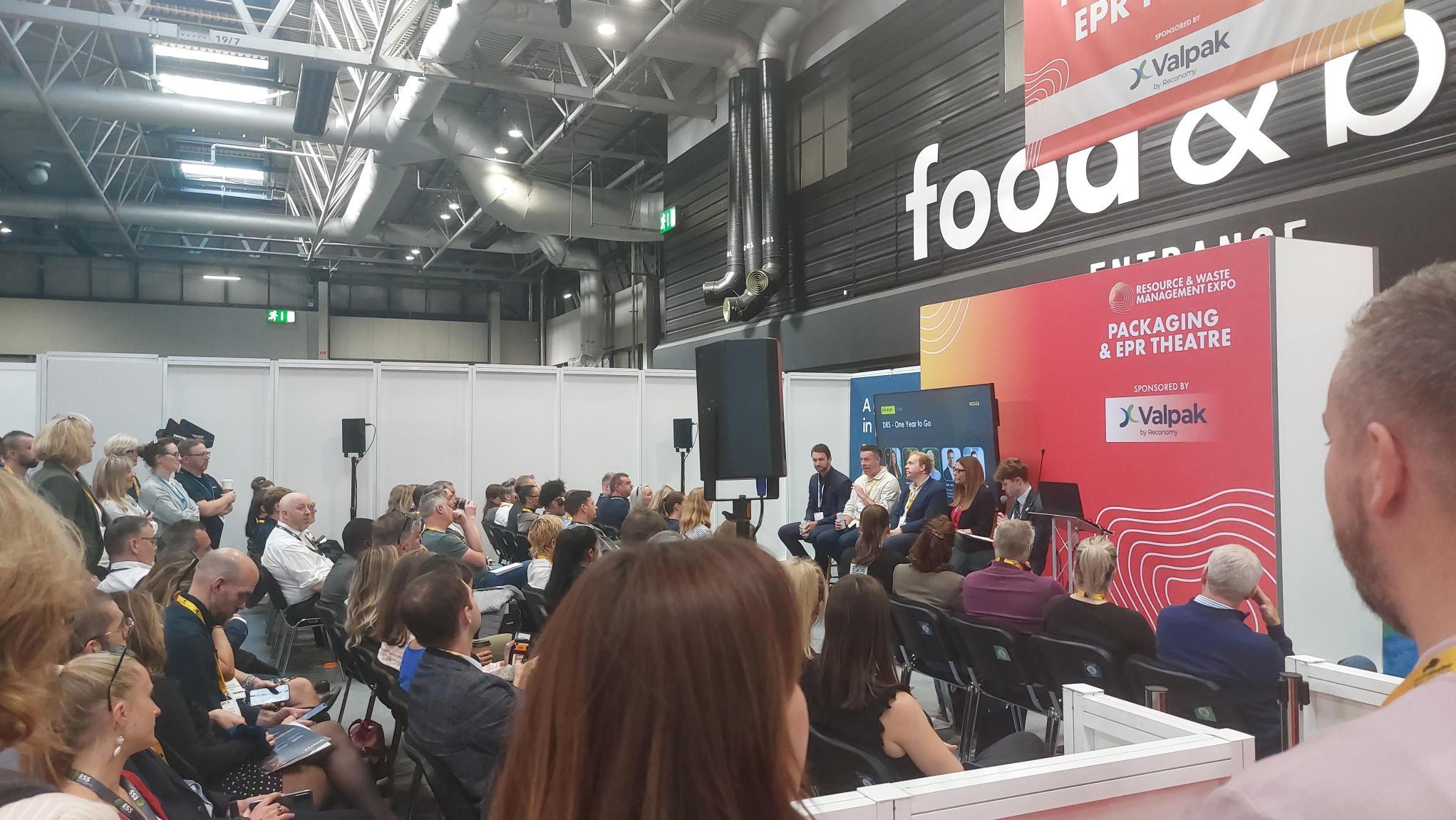
With the UK Deposit Return Scheme (DRS) now a year out from launch, panellists examined the remaining operational challenges and lessons from other schemes during the ‘DRS – one year to go’ session.
Getting the necessary infrastructure in place was a key concern, although panellists stressed that not everything needs to be operational from day one and that a transition phase will be important as the scheme beds in.
The panel discussed key lessons from Ireland’s experience included the use of a variable deposit, the importance of allowing for a transition period and the need for clear communications around the scheme. Panellists said an effective consumer campaign should explain why DRS is being introduced, rather than simply telling people what they need to do.
The discussion also looked at Wales, with the appointment of Exchange for Change welcomed as a positive step, while questions remained over participation in glass returns where no deposit applies and what this could mean for investment in infrastructure.
Health and safety
Health and safety was under the spotlight as LARAC chair Gareth Rollings and NAWDO chair Eleanor Hayward discussed how the waste sector can reduce risks across collection and disposal services.
The speakers highlighted the high-risk nature of the industry, with collections, transfer stations, material recovery facilities (MRFs) and household waste recycling centres (HWRCs) all facing similar underlying safety challenges. With increasingly complex waste streams, they stressed the importance of putting people at the centre of safety, supported by better training and clear communication.
Practical measures discussed ranged from effective signage and communication through to AI systems, while the ongoing battery fire crisis was highlighted for its financial, physical and environmental consequences.
Building a stronger safety culture was another key theme, with panellists emphasising the value of reporting near misses, learning from incidents and investing in training to prevent accidents from happening in the first place.

Register for free to comment