

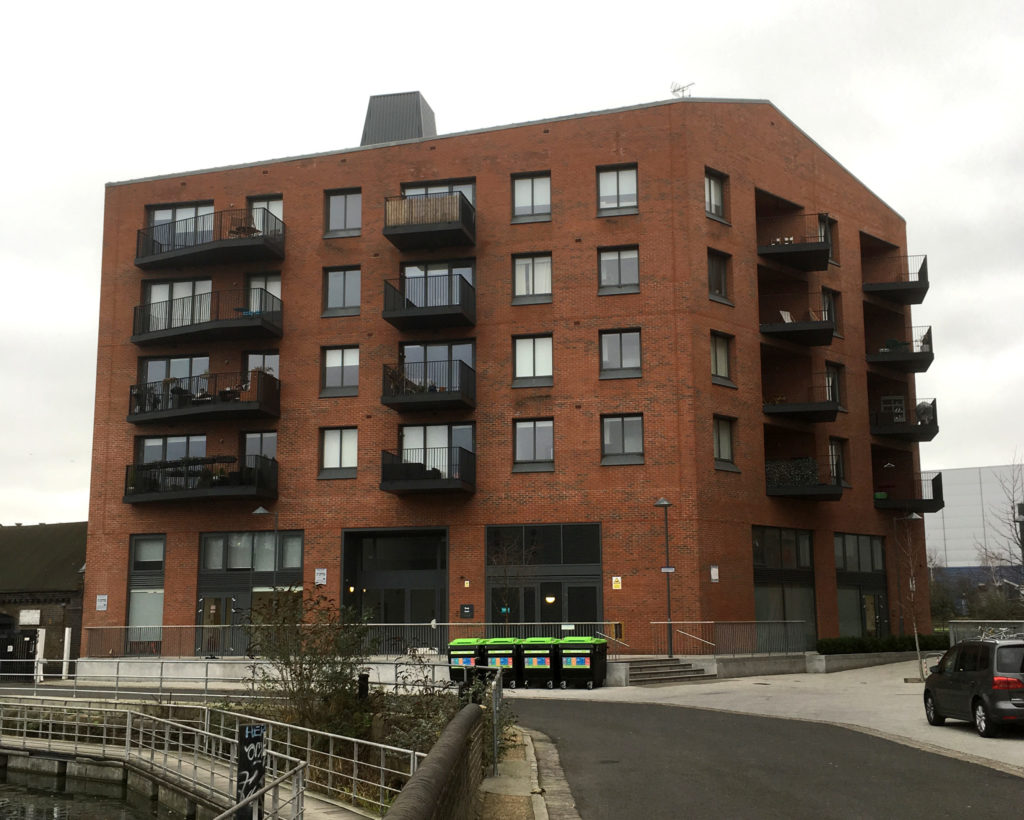
The pilots were funded by the Ecosurety Exploration Fund and ReLondon and carried out in partnership with the London borough of Lambeth and housing association Peabody.
The project ran from February 2021 to March 2022, with the report released yesterday showing that “residents were particularly happy to be able to recycle their food waste”.
Results
The results also revealed that across the four estates, there has been “an average 152% increase in the recycling rate, rising from 11% to 27%”. This was said to be mainly driven by high food waste capture rates, with those of all dry materials also increasing following a series of communications to residents.
The pilots saw an average of 35% of food waste being put into the recycling, according to the data. Food thrown away in the residual waste was said to have decreased by 45% across the estates. There was also a 25% reduction in textiles and 52% reduction in small electricals in the residual waste stream, the report added.
The pilots were said to build on ReLondon’s previous research and interventions on London’s estates, also introducing regular collections of used clothing by TRAID, bright pink bins for small electrical items and new bins for large cardboard packaging.
The recycling and residual waste bins on the estates were also “refreshed”, with all the waste streams co-located to make recycling more materials at once easier, the organisation added.
Wayne Hubbard, CEO of ReLondon, commented: “The results of this project are genuinely impressive. The detailed waste composition results conducted before and after the pilots tell a compelling story: the residents on these estates are recycling more, in large part due to being given the opportunity to do so – which shows that Londoners really want to do the right thing and will do so when given the chance.”
Targets
The report – Making recycling work for people in flats 2.0 – is aimed at helping achieve the Mayor of London’s targets for 50% of local authority-collected waste to be recycled by 2025; and 50% of household waste by 2030.
It is set to be followed by an updated Flats Recycling Package toolkit in September 2022 for local authorities to use as they implement the Government’s collection and packaging reforms.

Register for free to comment