

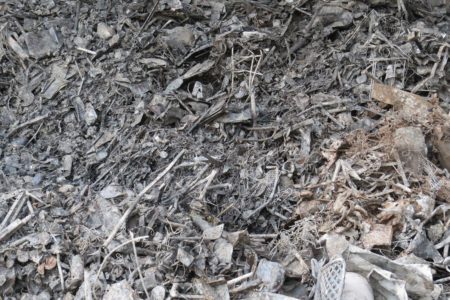
The ‘Urban Mine Platform’ was created by 17 partners in project ProSUM (Prospecting Secondary Raw Materials in the Urban Mine and Mining Wastes). It presents the flow of precious and base metals and critical raw materials in products in use and throughout their journey to end of life.
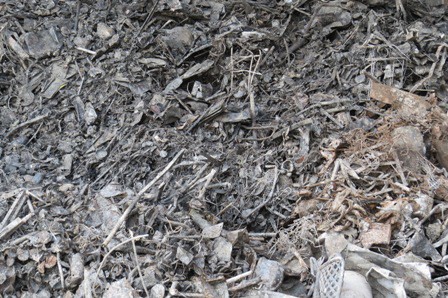
Urban Mining is the process of reclaiming compounds and elements from products, buildings and waste which would otherwise be left to decompose in landfills.
The database also aims to reveal the amount of valuable materials recovered or lost in the EU’s scrap vehicles, batteries, computers, phones, gadgets, appliances and other high tech products discarded annually – roughly 18 million tonnes in all.
It’s believed this is the first of its kind worldwide.
The ProSUM consortium says urban mining to recover valuable Critical Raw Materials(CRMs) from wastes is vital for securing ongoing supplies for manufacturing and limit dependence on non-EU suppliers. As a result, the project partners “a state of the art knowledge base, using best available data in a harmonised and updateable format”.
CRMs
The EU, Norway and Switzerland generated around 10.5 million tonnes of WEEE in 2016 – about 23% of the world total. In addition, 2 million tonnes of batteries and some 7 to 8 million tonnes of EU vehicles reach their end-of-life annually. All represent a rich source of secondary CRMs.
As a result of the database, the 17-strong consortium hope the recycling industry and policymakers will be able to make more informed investment and policy decisions to increase the supply and recycling of secondary raw materials. It contains all readily available data on market inputs, stocks in use and hibernated, compositions and waste flows of electrical and electronic equipment, vehicles and batteries for all EU 28 Member States plus Switzerland and Norway.
Reaction
Jaco Huisman of the United Nations University, and ProSUM scientific coordinator, explained that up until now data on CRMs had been produced by a variety of institutions, with the information scattered across various databases in different formats. “The ProSUM effort helps remedy that problem, and enables the identification of so-called “hotspots” – the largest stocks of specific materials,” he added.

Register for free to comment