

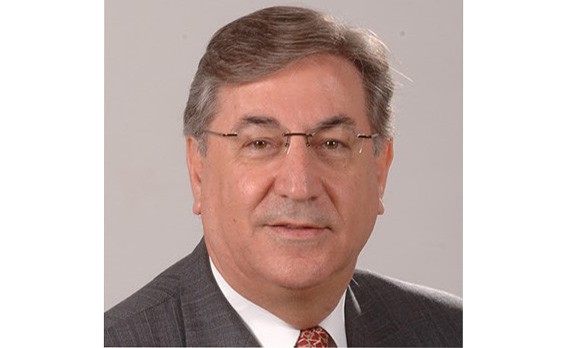
Speaking at the Dutch Parliament yesterday (4 April), the Maltese politician claimed that the recovery of energy from non-recyclable waste is an area with ‘considerable growth potential’, adding that up to 20% of EU waste could be suitable for energy from waste treatment.
In an address on energy and the circular economy, Mr Vella also added that the EU’s communication on energy from waste policy will be published before the end of 2016, as had previously been suggested.
Some hints as to where the Commission’s future energy from waste policy may look has already been outlined in a roadmap titled ‘Exploiting the potential of Waste to Energy under the Energy Union Framework Strategy and the Circular Economy’ published in February 2016 (see letsrecylce.com story).
The roadmap suggested that the Commission will seek to utilise surplus energy from waste capacity to end some Member States’ dependence on landfill. Mr Vella appeared to reaffirm this in his comments yesterday.
Objective
Addressing Dutch politicians, he said: “The first objective of the circular economy package is to avoid waste in the first place. But you can never eliminate it all, and you can never recycle it all of it. However you can still gain by recovering energy from the non-recyclable materials.
“So the Commission is looking to adopt a Communication on Waste-to-Energy by the end of this year. This will address how waste to energy can be optimised without compromising higher re‑use and recycling rates and respecting the principles of the EU waste hierarchy.
“It’s too early to go into details, but it’s clear that this is an area with a considerable growth potential. When we reduce landfilling, increase separate collection and strive for higher recycling rates, we can probably expect to send more than 20 % of combustible and non-recyclable municipal waste to the Waste to Energy processes.”

Register for free to comment