


Delegates from Germany, Austria and Sweden were among those who suggested recycling rates for their respective countries could reduce under the EU proposals.
The changes to recycling rates could be a consequence of the Circular Economy package, adopted by the Commission in December 2015 (see letsrecycle.com story). This includes plans to ‘harmonise’ the calculation method used by Member States to measure their progress towards the municipal waste recycling target.
The target, which currently stands at 50% recycling by 2020, would also rise to 65% by 2030, under plans set out in the package. At present, Member States are able to calculate their recycling rate using one of four methodologies set out by the Commission.
Calculation
However, should the Circular Economy package pass into law, this could be narrowed down to a single calculation method, involving the amount of paper, metal, plastic, glass and ‘other single waste streams’ recycled from households.
Additionally, the Commission has proposed that “the weight of the municipal waste recycled shall be understood as the weight of the input waste entering the final recycling process” rather than simply calculating the volume of material collected overall.
Within its proposals the Commission explains that this relates to the point at which the waste requires no additional mechanical sorting to be processed into a product.
Sorting
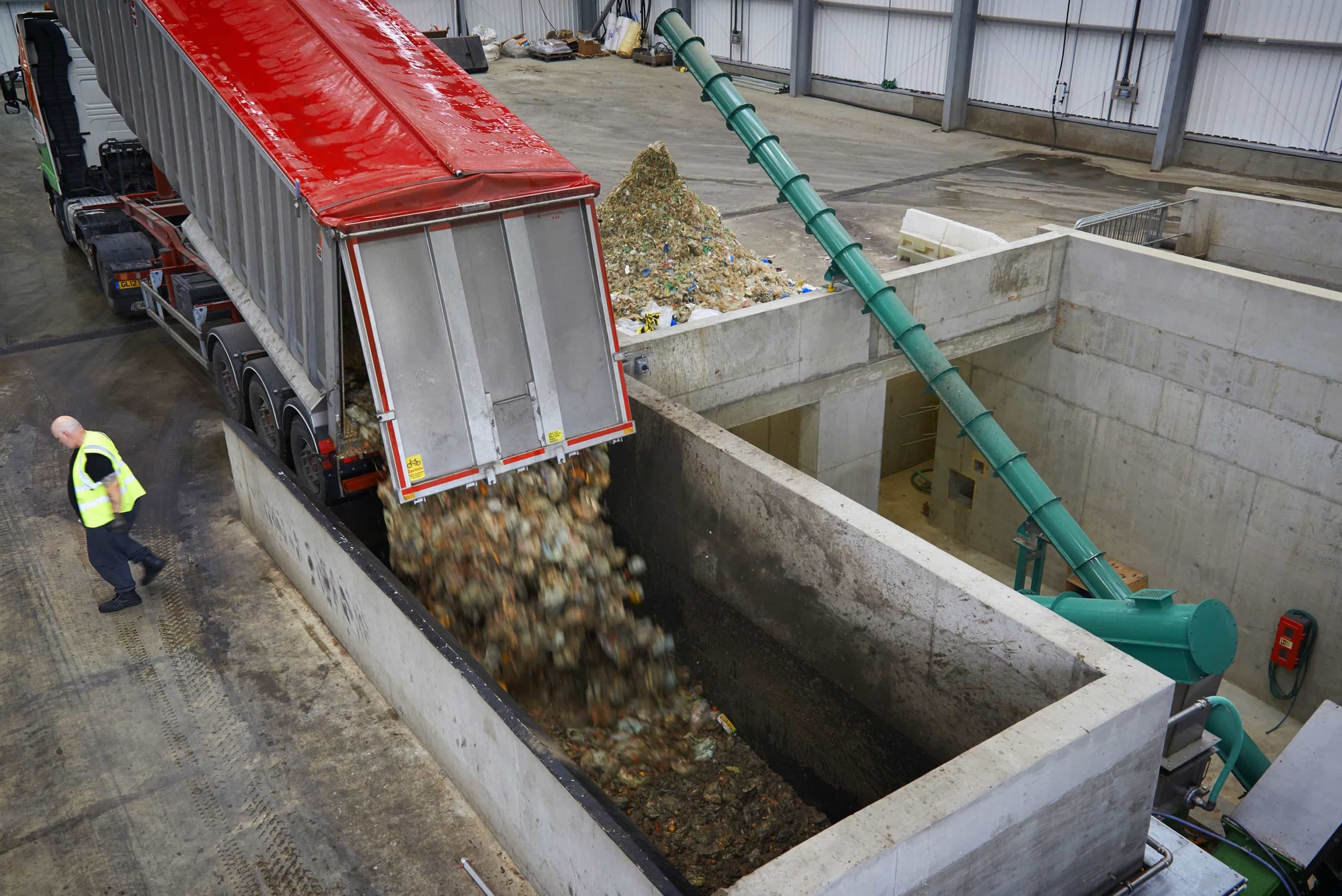
This has led to questions over the measurement of recyclable materials processed at MRFs or organic waste sorted at composting or anaerobic digestion (AD) facilities which may require an element of sorting. Further clarity on how this would apply and what impact this could have on the way that recycling is measured in the UK has yet to be outlined.
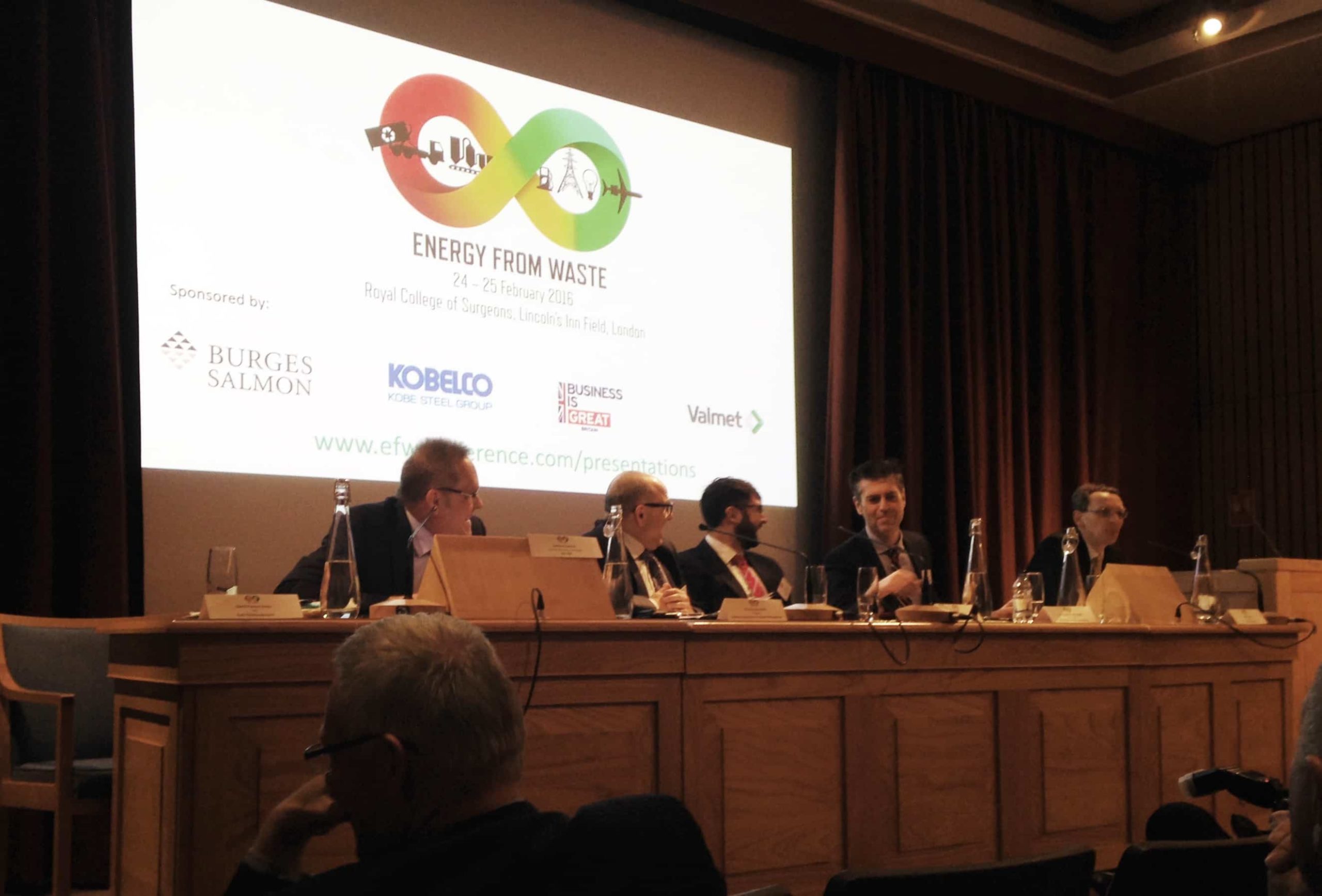
Speaking at the Energy from Waste Conference in London on Wednesday (24 February), waste industry representatives from some of the EU’s top performing Member States – Germany (currently recycling close to 64%), Austria (57%) and Sweden (52%) – claimed that the proposed definition changes could see their countries’ performance dip back below the 50% mark.
Thomas Obermaier, president of the German Association for Waste Management, Gerhard Ganster, country operations manager for FCC Group in Austria and Jakob Sahlén, advisor on energy recovery for Avfall Sverige all concluded that the new measures would make it ‘very tough’ to meet recycling targets.
Asked what the main barrier to meeting future recycling targets could be Mr Obermaier commented that while there is still demand for recyclable materials, “the main point is how to measure it”.
Commission
Speaking on behalf of the European Commission, Jose-Jorge Diaz del Castillo, legal officer for DG Environment, sought to reassure delegates that the proposals would not be restrictive on the types of materials that could be counted towards recycling targets.
He said: “The Circular Economy package proposes that we are counting only input into the final recycling facility where [before] we didn’t know how much comes out as recyclables. Compost is considered as recycling, and will continue to be so, metals from Incinerator Bottom Ash and also input into AD facilities will count as recycling as long as the digestate is used.”
He added that preparation of materials for reuse will also be counted toward recycling targets.

Register for free to comment