

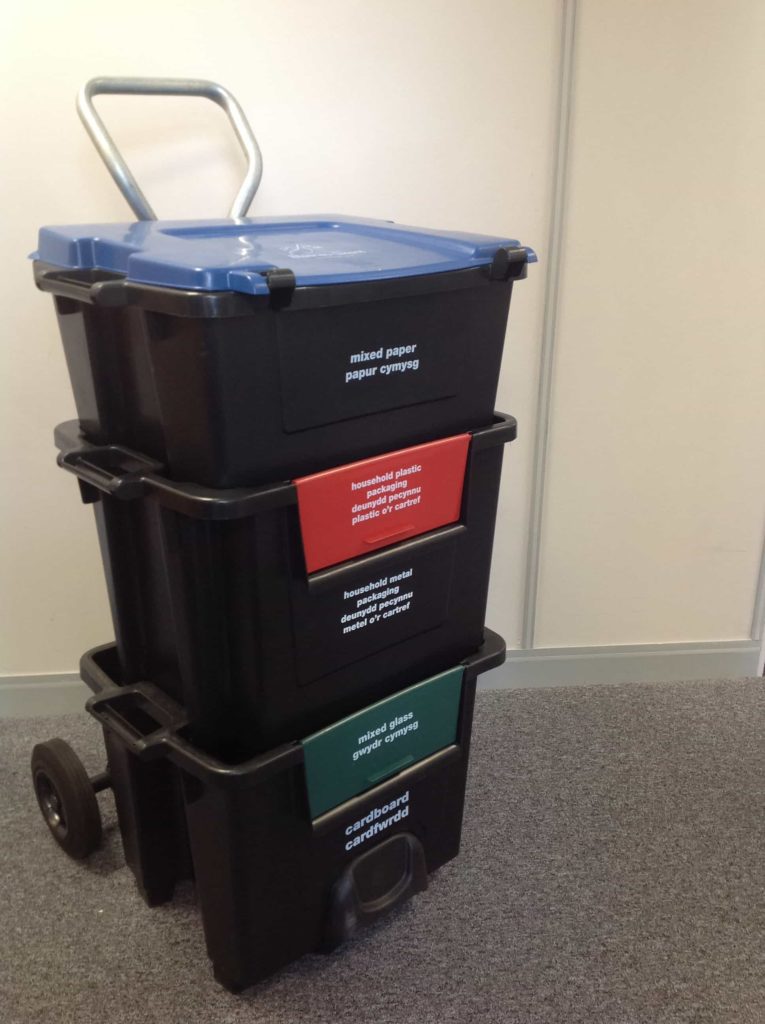
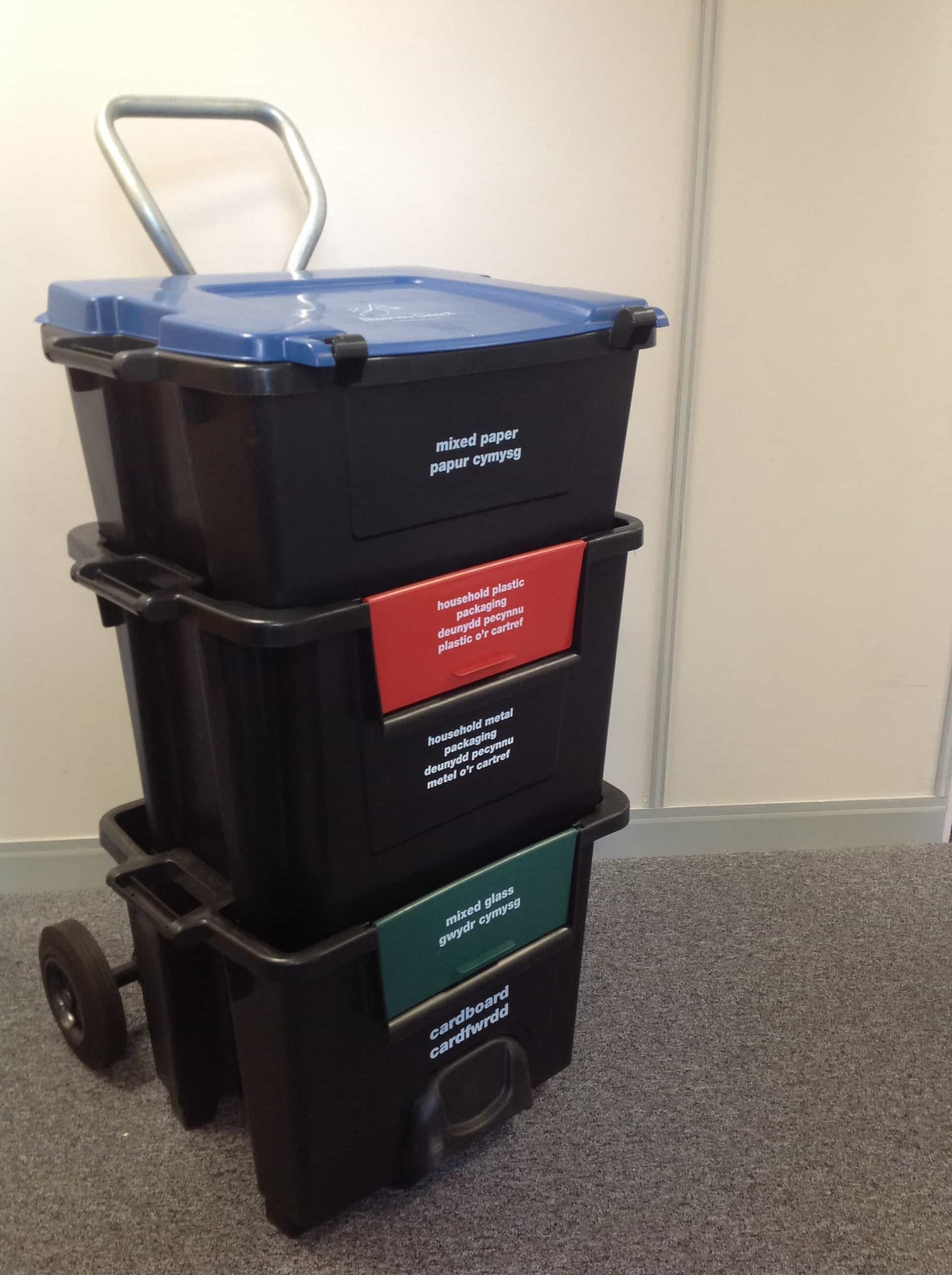
The council moved from a commingled sack-based service to a kerbside sort system using the stackable ‘trolibocs’ containers, with new side-loading collection vehicles rolled out as the new service requires a greater level of manual sorting of materials by collection crews.
The new system sees collections of both black bag waste and recycling move from fortnightly to every three weeks, with food waste still collected on a weekly basis.
According to figures published by the council in a report put to councillors on Monday (21 December) the new system has seen an overall reduction in black bag waste of around 15% (192 tonnes) during a three week period.
However, the rollout of the new service has not been entirely popular with residents, particularly those who have had to switch from presenting their waste at the rear of their properties, to a front step collection.
The council claims that areas where this is the case has seen participation levels in the recycling service drop – and the council has made hessian sacks available to residents who may not be able to carry the container through their house to make it available for collection.
WRAP
Blaenau Gwent also enlisted WRAP Cymru to assess the viability of returning to rear lane collections in some areas where participation levels have dropped to below 40%.
Properties on some streets in Abertillery, Blaina, Briery Hill, Ebbw Vale, Tredegar, Beaufort, Cwm, Georgetown and Sirhowy are to have rear lane collections reinstated as an interim measure from next month, with the council hiring a vehicle from Newport Waste Savers to carry out the collections at a cost of around £23,020 for three months.
 In the long term, the council is to procure three narrower vehicles with a driver and loader that will collect material from around 300 properties of the harder to reach properties per day, as well as a fourth vehicle to cover for servicing and breakdowns. The new vehicles are expected to cost the council around £235,000 per year over five years.
Cost
Some of the cost of the new vehicles will be met through a one off capital reserve of £120,000 set aside by the council, a grant of £75,000 from WRAP, around £150,000 in savings from disposal costs and an estimated £100,000 income from the sale of recyclable materials. This comes on top of an estimated £3.8-4 million in costs of the roll out of the new service – much of which (£2 million) came from the Welsh Government’s Collaborative Change Programme.
Bridgend
Elsewhere in Wales another council is looking to the possibility of a reduced frequency residual waste collection system, in a bid to boost participation in recycling and squeeze out residual waste. Bridgend county borough council has this month asked residents for views on a possible move toward either a three-weekly or even four-weekly system for residual waste.
Bridgend is seeking to make the switch as it bids to meet the Welsh Government’s 64% by 2020 recycling target.

Register for free to comment