


The Crown Office released the details of its decision following the conclusion of a fatal accident inquiry into the incident at Glasgow Sheriff Court on Friday (August 28). However, the possibility remains that the families of the victims may pursue a private prosecution against the driver of the vehicle – 58-year-old Harry Clarke.
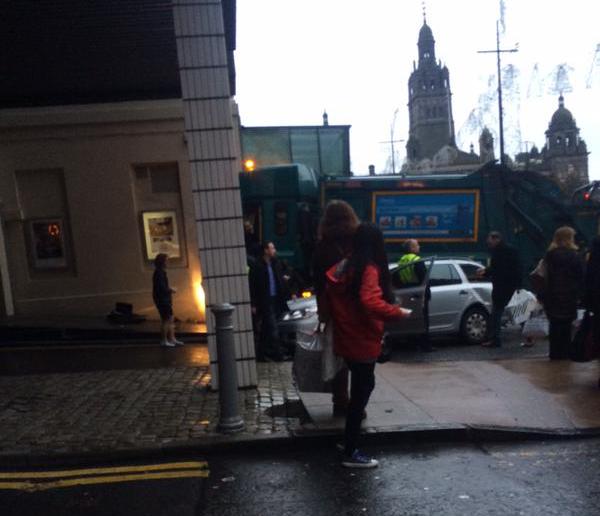
Outlining the reasons why Mr Clarke would not be prosecuted, the Crown Office stated that there was ‘insufficient evidence’ to show that he had committed a criminal offence.
It added that it was not ‘foreseeable’ that Mr Clarke would lose consciousness at the time of the incident, following a four and a half year gap between his last blackout in April 2010 and the day of the tragedy.
The statement came as Sheriff John Beckett QC ended the inquiry into the deaths of six people on December 22 last year. The inquiry began on July 22, exactly seven months after the crash.
Jack Sweeney, 68, his wife Lorraine, 69, and their 18-year-old granddaughter Erin McQuade, all from Dumbarton, were among the victims. Gillian Ewing, 52, from Edinburgh, Jacqueline Morton, 51, and 29-year-old Stephenie Tait from Glasgow also lost their lives.
‘Disappointment’
The McQuade and Sweeney families, who had attended all 27 days of the inquiry, said they were ‘extremely disappointed’ in the Crown’s decision to release its statement after they had left the court.
A statement issued on behalf of the families said: “We again reiterate our view that the Crown is wrong in its decision not to prosecute. In reigniting the issue and releasing this statement once we had left court, rather than meet with us, we again feel wholly let down by the Crown.
“Failing to discuss its reasoning with us and instead releasing a statement to our solicitor clearly demonstrates the remarkable lack of thought, compassion and understanding by the Crown we have encountered since our first meeting with its representatives.”
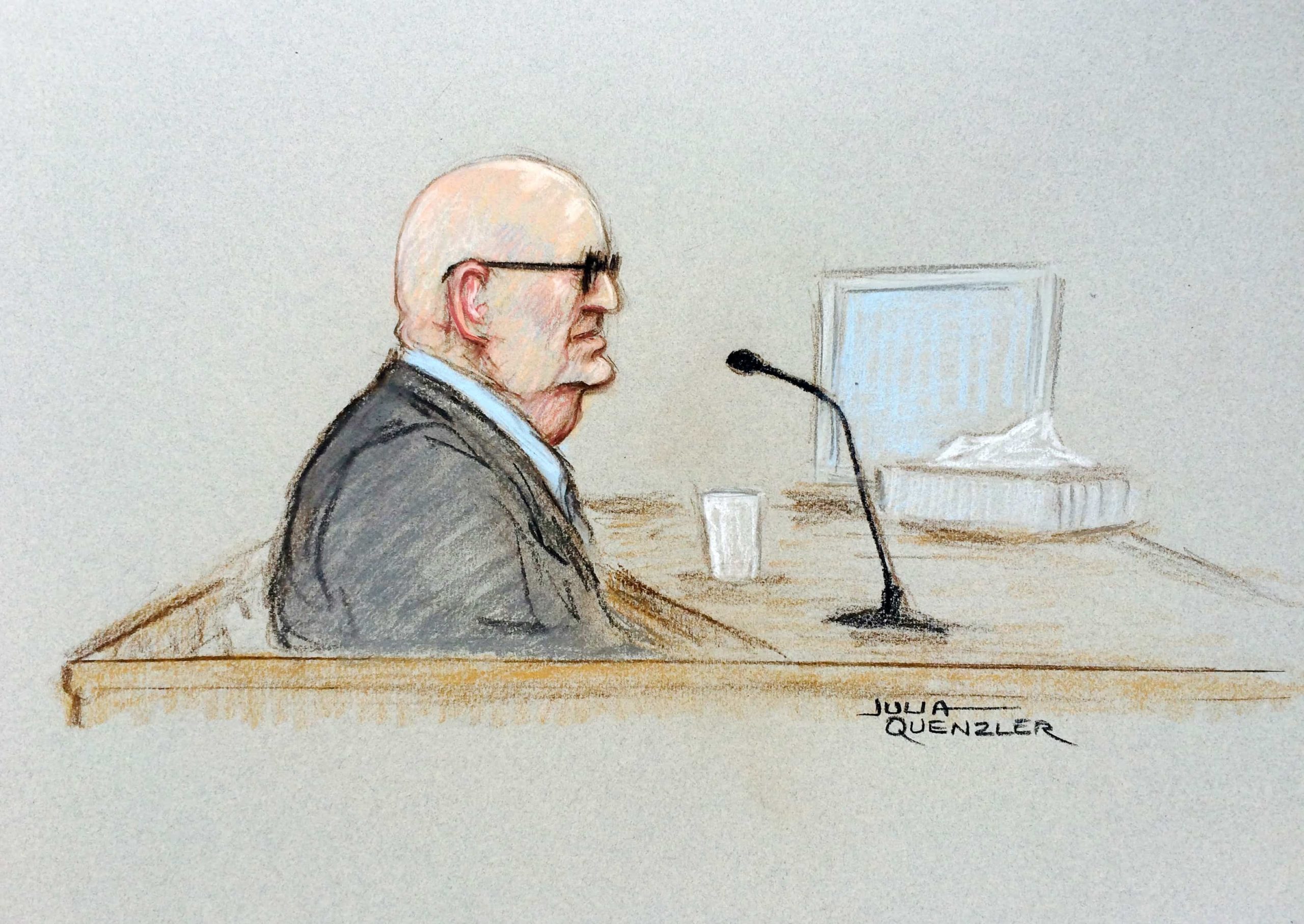
The final day of the inquiry saw Paul Reid, the advocate for Harry Clarke, make submissions to the court on behalf of the 58-year-old.
He told the court Mr Clarke isn’t “the lying deceitful man” he has been made out to be by some, and, that his client “does not seek to blame others for the tragic events”.
Mr Reid added that until it was made clear that a private prosecution was going to be brought against Mr Clarke, he had intended to answer any questions put to him to the best of his ability.
He said that Mr Clarke confirmed in his evidence that “instinctively” he wanted to answer but it was the risk of prosecution that stopped him and that being described as “selfish” and a “coward” was unfair.
The inquiry was told: “Mr Clarke recognises that there is nothing I can say on his behalf that will offer any meaningful comfort to the families of those who died, or those injured, during the awful events of 22 December 2014.
‘Weaknesses’
But Neil Cardwell, PR manager on behalf of the Morton family, argued that the inquiry had “highlighted weaknesses in the system that makes it too easy for an individual to obtain and retain a driving licence when they are not fit due to public safety”.
At the end of evidence, Sheriff John Beckett QC highlighted the importance of drivers notifying DVLA if they have any medical condition because if not they might be committing a crime.
He said: “More importantly by identifying a relevant medical condition and taking the appropriate steps, a driver may save his or her life and the lives of others.”
The Sheriff indicated he could take until January 2016 to deliver a written determination of the incident.
He said: “It may well be that the single most useful outcome of this inquiry will be to raise awareness of the dangers involved in driving if subject to a medical condition which could cause the driver to lose control of a vehicle.”


Register for free to comment