


The technology is being installed at its used beverage can (UBC) recycling plant at Latchford, near Warrington, in response to problems it experienced last year with plastic affecting its can recycling processes, which resulted in the company having to export some cans to Germany for reprocessing (see letsrecycle.com story).
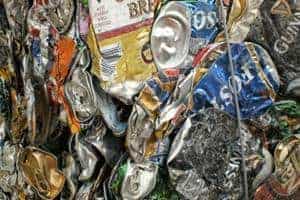
As a result, from mid-October until the end of March 2009, the company will be evaluating the use of a process taking cans and using infra-red technology to eliminate plastics from them before they enter the recycling process.
This will involve UBC being passed through a shredder, and then along a conveyer belt, through a vibrating feeder, an accelerated conveyer and then entering a unit manufactured by Norwegian firm TiTech – similar to those used in many MRFs – which uses an infra-red beam to blow any plastic out.
Commenting on the new process, Novelis' UK recycling manager, Andy Doran told letsrecycle.com that, while the TiTech unit was used on MRFs, “as far as we know it's the first application of this on a shred feed”.
The line, which will have a three to four tonne an hour throughput, has already been tested away from the Latchford plant, but Mr Doran explained that “you really need to test it out in an industrial environment”.
He added that “it will reject some aluminium, but we're working with a third party to take that, separate it and then we can bring it back to the plant”.
Evaluation
Mr Doran said that the “evaluation period” for the new technology would allow them to judge whether they could get it to work at “acceptable” levels.
And, he added that, depending on the results of that evaluation, there was the potential that “we may decide to scale it up for the whole front end”, using it for all cans, regardless of where they originated from.
As a member of the Campaign for Real Recycling, Novelis has been a keen advocate of emphasising the quality of recyclates, and Mr Doran explained that the new technology could allow them to incentivise the collection of high quality loads of cans.
“I'd like to be able to differentiate and reward quality supply,” he said. “Part of the evaluation for the new technology is if we can get the process working, we can shred on a batch basis; that means we can reward some suppliers.”


Register for free to comment