


But, difficulties in the C&I sector were countered by a more positive performance in some of its other operational areas.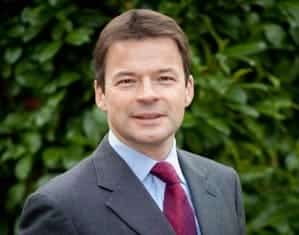
The company reported extremely challenging conditions, primarily as a result of reduced volumes in Scotland, and falling recyclate prices, which reached post-credit crunch lows during the second quarter. And, its operations in Belgium and Holland were particularly badly hit by a reduction in construction waste arisings because of a collapse in the housing market there.
Shanks saw a stronger performance in its organics activities and steady performance from its UK municipal contracts which are largely PFI-based. These range from longstanding work in East London through to newer contracts such as the BDR deal in Yorkshire.
The results cover the six months ending September 30, 2012 and report, said Shanks:
- A performance in line with revised expectations following the recent trading update.
- Revenue down 8% at constant currency to 339.6m.
- Underlying profit before tax down 22% at constant currency to 14.3m.
The Milton Keynes-based company, which operates in the UK, Belgium, Holland and Canada, also revealed that it has reorganised its activities into four market-facing segments of: Solid Waste, UK Municipal, Organic Waste and Hazardous Waste.
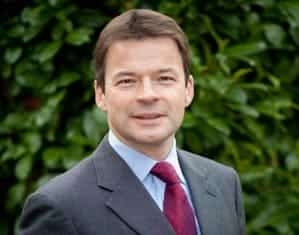
Peter Dilnot, group chief executive, told letsrecycle.com that performance was maintained very much in line with our recent update and it is important to cut beneath the numbers. Three out of four have done very well.
Organics
Of these he said organics was growing nicely and the UK municipal waste side continues to perform very strongly. Developments include the Westcott anaerobic digestion plant near Bicester and AD plants in south west Wales.
The results showed that Shanks performance in its other activity, hazardous waste, was broadly flat but with better margins.
However, the chief executive was very cautious in his forward view. We are not assuming things are going to get better in the short term so we are taking decisive action. We are looking at a very sober view and taking out costs.
Mr Dilnot affirmed that Shanks C&I operation – Solid Waste – is facing strong local competition and he was looking at its scale of operations and making good use of its technologies. He ruled out exiting the commercial waste sector: It is not our intention to withdraw. However, some tough decisions will be taken and some facilities closed.
On some of its work in recent months in the C&I sector, Shanks has had some notable success such as winning an energy supply take-off deal from Marks and Spencers in Cumbernauld. However, Mr Dilnot acknowledged that Scotland was a particularly challenging market with strong local competition.
Gate fees
He cited low gate fees, reduced recyclate values and lower volumes as the prime causes of the Solid Waste division weaknesses.
The importance of the export market for the solid fuel SRF, produced by Shanks, was also highlighted by Mr Dilnot who noted that the company is the leading manufacturer of SRF in Northern Europe.
Related Links
The results also paint a picture of job losses at Shanks. They note that In September a reduction in headcount of around 60 heads was completed that will save an annualised 2 million. In October we entered into consultation with our workforce concerning the rationalisation of some of our Scottish assets that will, subject to the outcome of the consultation, reduce headcount by a further 70 heads and will save a further annualised 3 million.

Subscribe for free