



The Sustainable Clothing Action Plan, which was launched in 2009, is an initiative designed to reduce the environmental impact of clothing throughout its lifecycle. Within the Plan, there are four working groups focused on different areas – design, reuse and recycling, influencing consumer behaviour and metrics.
Mervyn Jones, head of products and materials for the Waste & Resources Action Programme (WRAP), told letsrecycle.com that the development of new markets for non-clothing textiles is one of the main focuses for the reuse and recycling group for 2013.
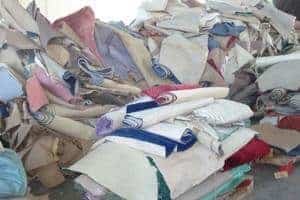
He said: What we want to do is make sure there are sufficient markets for all of the material that comes out of landfill. While reuse is a major activity within the clothing sector it is not a particularly high activity within the textile sector and we want to identify where there are market opportunities for textile recycling broader than just clothing. This will include soft furnishings, carpet and other textiles as well as there is not a lot of recycling and reuse activity going on at the moment.
In addition, he said the group would be highlighting the contribution that textile reuse and a sustainable clothing supply chain can make to waste prevention by responding to a soon-to-be-issued call for evidence from Defra for its Waste Prevention Plan. The Waste Prevention Plan is a requirement under the revised Waste Framework Directive and is due to be published in December 2013.
Meanwhile, SCAPs steering group is also working on a 2020 commitment for the whole textiles industry which will see organisations sign up to voluntary targets for reductions in carbon, water and waste.
Mr Jones said the development of the commitment and the Waste Prevention Plan would give the textiles recycling industry a strong focus over the next few years.
Markets
At present, WRAP estimates that 1.4 million tonnes of textiles are sent to landfill every year and its work under the Sustainable Clothing Action Plan aims to reduce this.
Previous areas looked at by the reuse and recycling group include collection methods for textiles, analysing the impact of feedstock on clothing value and corporate work wear arisings. Research in these areas helped to develop a series of reports, which were published in September 2012 (see letsrecycle.com story).
Mr Jones said that following the development of the evidence base last year, WRAP will work with the reuse and recycling group in order to understand what markets are available for the material and how commercially viable they are. In addition, the quality of material required for various markets will also need to be determined.
Prevention
Mr Jones said the development of the Waste Prevention Plan by Defra would offer textile recyclers a strong direction of travel over the next few years.
Mr Jones said: That waste prevention programme will provide a strong focus for the textile and clothing sector in particular. This is in addition to the development of the commitment. It is looking for a fairly rapid call for evidence which should be going out in the next couple of weeks.
Commitment
Related Links
Waste prevention will also be a key focus under the development of the 2020 commitment, which will see organisations across the textiles sector sign up to the voluntary targets and actions to reduce their carbon, waste and water footprints by 2020. Mr Jones said the targets under the commitment have not been formally agreed, however it is hoped it will be launched in summer 2013. The commitment will cover the whole of the supply chain, including recyclers, charities retailers and suppliers.
Mr Jones said: We will be looking at carbon, energy and water reductions and how they look to achieve those targets over all. It is follows the plan of the voluntary commitment there will be an overall target and within that individual participants will play their part.
He said recyclers will be able to play a part by diverting textiles from landfill, which has significant benefits in terms of carbon savings.

Subscribe for free