


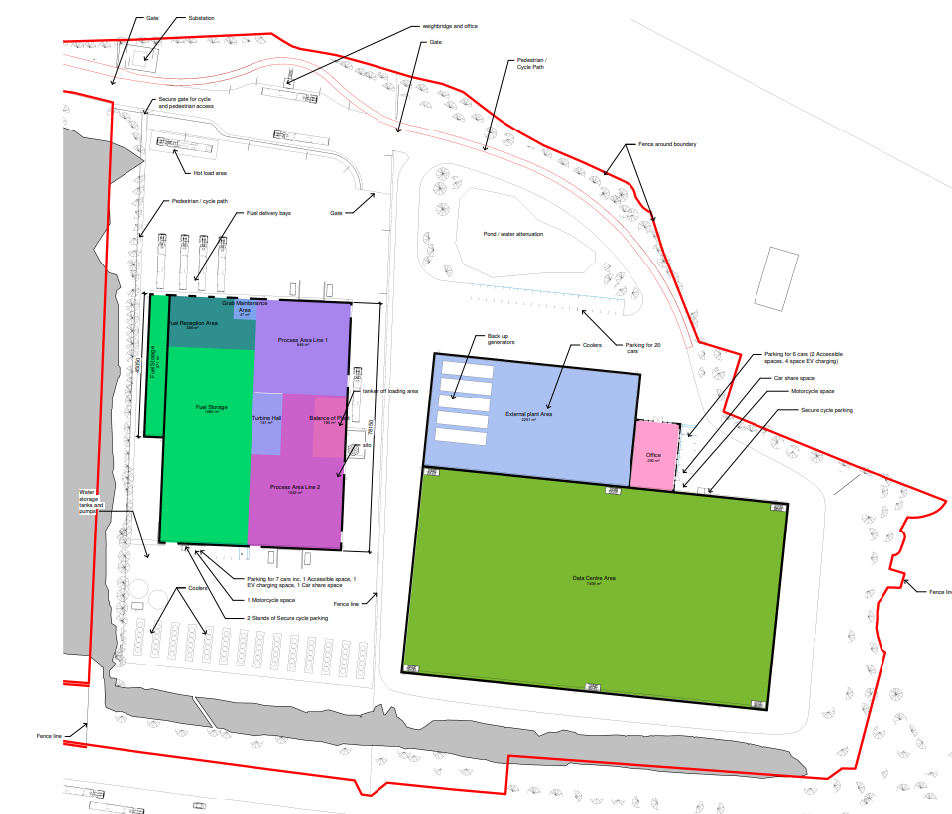
In a document from the council’s meeting on 24 August, the application was recommended for approval subject to conditions.
However, this was challenged by an unnamed third party which called for the environment secretary, George Eustice, to review the plant. This has now gone ahead and will be considered by the government, the council confirmed.
Facility
Treating residual waste from municipal, commercial and industrial sources, the facility is proposed to operate 24 hours a day, 360 days a year.
According to the council, the EfW plant would create capacity for the management of residual waste by energy recovery within the district. This is “preferable to the movement of waste long distances for management”.
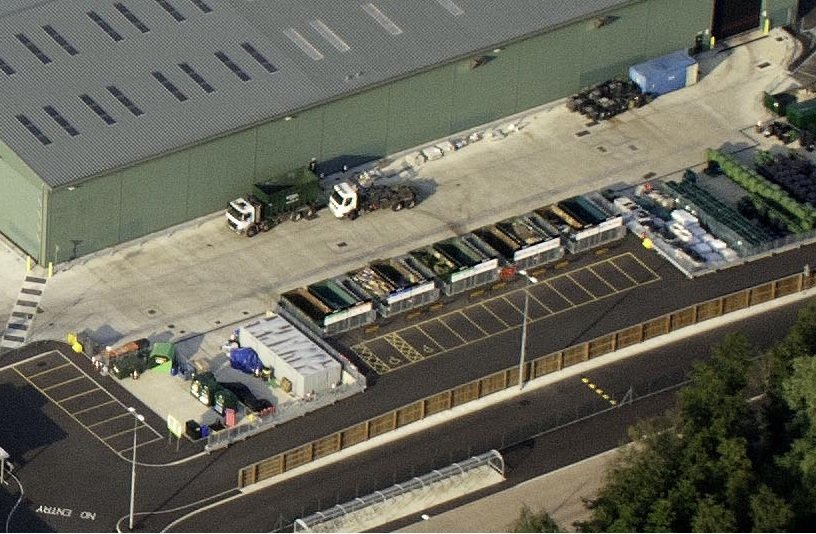
The council’s Local Waste Assessment has identified that there will be a need for up to 85,000 tonnes of capacity annually to recover residual waste by 2037. Therefore, there is a considered to be a need for this type of facility, the document added.
The council has an integrated waste management facility in Padworth, operated by the council’s waste contractor Veolia. This includes a materials recovery facility, in-vessel composting and a waste transfer station with capacity up to 40,000 tonnes.
Currently, West Berkshire does not have “significant capacity” to manage residual waste, particularly from the commercial and industrial and local authority collected waste streams. Most of this residual waste is therefore sent outside of the district to Veolia’s Marchwood facility in Hampshire.
Public disapproval
Despite the council’s recommendation to grant planning permission, the proposal was met with public disapproval. According to the report, public representations have been received from 109 contributors. Three of these were in support and 106 against the proposal, with the latter including Reading Friends of Earth and Reading Against the Incinerator groups.

Subscribe for free