



And, the Welsh Government would be “sensible” to investigate the inclusion of three or even four-weekly refuse collections into the standard.
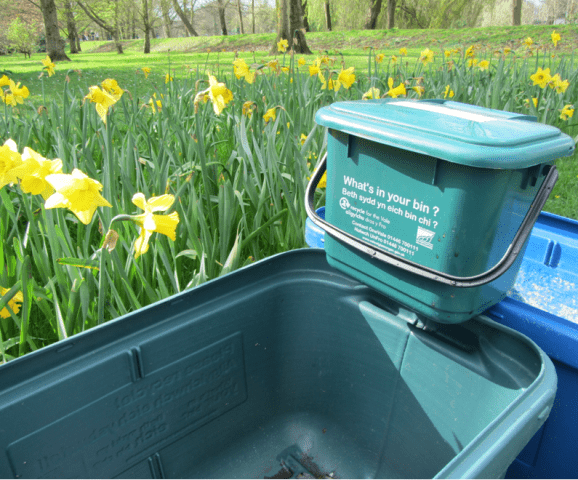
These were the conclusions drawn by waste consultancy Eunomia in its independent review of the Welsh Government’s Collections Blueprint – a collections standard first published in 2011 which advocates weekly separate dry recycling and food waste collections via a kerbside sort system.
The review will provide added credence to the Welsh Government’s position that the Blueprint can provide ‘affordable and sustainable local authority collection services for recyclable, compostable and residual waste’ – after the Assembly confirmed it would carry out an independent assessment of the standard in December 2014.
Many councils in Wales already adhere to some of the guidelines laid out in the Blueprint, which as well as weekly recycling and food waste rounds advises:
- Fortnightly residual waste collections from 140-litre wheeled bins, with no side waste;
- Fortnightly chargeable garden waste collections
- Use of modern resource recovery vehicles
- HWRCs achieving at least 80% recycling rate, and;
- A maximum of 30% non-recyclable waste to be sent to ‘energy efficient’ recovery plants with incinerator bottom ash recovery
In its assessment, Eunomia claims the Blueprint provides a ‘good basis’ for Welsh councils to follow, adding it is reasonable to conclude that improved material quality for recycling is associated with separate collection “even if quantifying this in any satisfactory way is not currently possible”.
High quality material, it argues, is also likely to support retention of material within the Welsh and UK economies – resulting in social and economic benefits in line with the objectives of the Well-Being of Future Generations (Wales) Act 2015.
Costs
Using evidence based on actual cost data from Welsh councils and from comparative cost modelling projects, Eunomia has also concluded that the Blueprint represents a lower overall cost option than alternative collection systems. However, it adds that the investment cost for implementing the Blueprint “may mean the savings may not be immediate”.
The review continues that evidence is “relatively weak” on comparing the health and safety implications of the Blueprint with other collection systems – with “limited research” undertaken on manual handling and noise which was undertaken before design improvements in resource recovery and rear compaction vehicles.
The report adds that the Welsh Government should consider investigating the benefits of three or four-weekly refuse collections with a view to updating the Collections Blueprint – which at present only advocates a reduced bin size and no side waste policy.
“The widespread adoption of the blueprint provides the best overall economic, financial, social and environmental solution for Wales.”
Carl Sargeant, Natural Resources Minister
Welsh Government

Minister
Commenting on Eunomia’s findings, Welsh Natural Resources Minister Carl Sargeant, said: “I am pleased the review concluded that the Collections Blueprint still provides a good basis for a waste collection standard for Wales.
“The widespread adoption of the blueprint provides the best overall economic, financial, social and environmental solution for Wales. It would lead to efficiency savings through procurements, to shared depot facilities and a more consistent approach for householders as well as a consistent way of presenting materials to market.”

Subscribe for free