



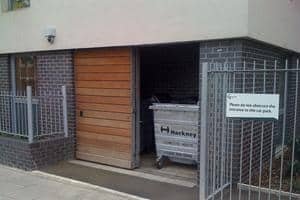
The document, ‘Making Space for Waste', also details design principles and minimum standards for both internal and external storage of waste, as well as collection points, to avoid unsightly bins and a lack of space for collection vehicles to operate safely and efficiently.
Speaking to letsrecycle.com about the best practice guidance at today's launch, the head of the ADEPT waste panel, Julia Barrett, explained that the document aimed to make developers thing about the issue in a “coherent and holistic” way.
“The emphasis on waste and need to recycle has been increasing in recent years and what householders have told us is they have a multitude of bins and nowhere to store them,” she said.
She added that decisions on how waste was going to be stored in new developments, and collected from them, needs to be “planned right up front and take account of how services might develop over the next few years.
But, she stressed that the guidance had been put together in association with developers, with the Home Builders Federation among the bodies involved, and that the making “good, up-front decisions” developers should not see their costs increase as a result of following the guidance.
Among the other key aspects of the best practice document are:
-
guidance on minimum contributions from developers for containers, storage compounds and household recycling centres;
-
the importance of early communication with local authorities throughout the development process;
-
principles of design to ensure good access for collection vehicles;
-
principles for co-locating waste facilities alongside domestic properties as well as in commercial settings.
Position statement

In particular, it outlined priorities for waste management that it wants the new coalition government to consider as part of its spending review, including:
-
longer-term certainty of landfill tax rates to encourage both private and public investment in infrastructure;
-
“ring-fence” landfill tax and return it to councils so they can invest it in maximising reuse, recycling and energy recovery;
-
incentivising councils to play a “stronger role” in collecting business waste;
-
“greater incentives” for energy from waste- but without prescribing particular solutions.
Commenting on the goals of the document, Ms Barrett explained: “Probably the biggest message for government is that waste management costs local authorities a lot of money and every pound we spend on waste is a pound we could spend on something like potholes or childrens' services.
“We're literally asking for continuing support from government, recognition of cost issues and clarity so that we can plan rather than react,” she added.
In the document, ADEPT also calls for closer working between statutory waste authorities, which it says will “both aid efficiencies and help provide simplification from a customer perspective”.
And, in direct contrast to the new coalition government's apparent support for weekly collections -as highlighted by local government secretary Eric Pickles today (see letsrecycle.com story) – ADEPT states there is a need for “local solutions to waste collection with no requirement for weekly collections or separate food collections”.
Today's event also saw the official handing over of the leadership of the body from outgoing president Alison Quant, of Hampshire county council, to George Batten, a director at Wiltshire council.

Subscribe for free