

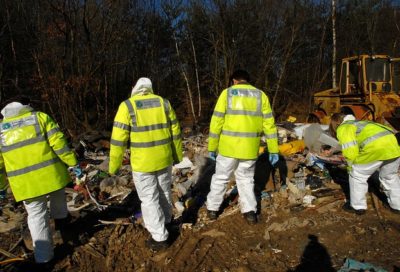
The proposals will see regulators given enhanced powers for suspending permits and issuing enforcement notices, as well as widening the regulators’ ability to require the removal of waste from land.
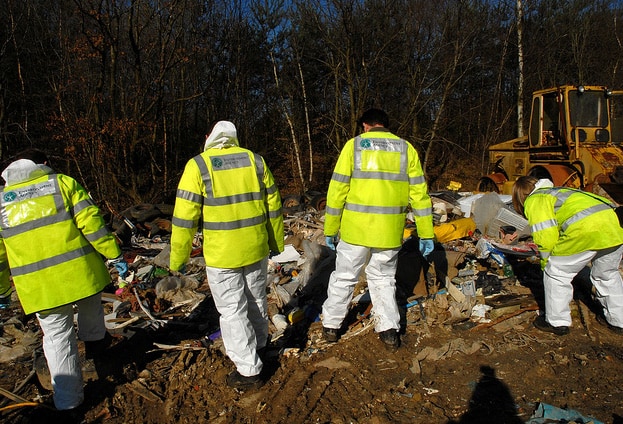
Plans for the consultation were revealed in January at a meeting in Westminster hosted by waste and resources minister Dan Rogerson and senior members of Defra’s waste team, along with members of the Environment Agency and Treasury minister Priti Patel (see letsrecycle.com story).
The consultation, which runs until May 6 2015, also seeks industry views on other measures contained in the Waste Crime Action Plan, outlined in September 2014 (see letsrecycle.com story). This includes tightening up on the technical and financial competence of operators, the need for a fund to clear up abandoned sites, and the introduction of fixed penalty notices for fly-tipping.
According to Defra, waste crime activities cost the UK more than £500 million each year through the likes of small-scale and organised fly-tipping, illegal dumping of waste and the illegal operation of waste management sites.
Waste crime also includes the deliberate mis-description of waste to evade landfill tax liability or provide cover for the illegal export of waste.
Proposed enhanced powers outlined today to tackle waste crime will enable regulators to:
- Suspend permits where an operator has failed to meet the conditions of an enforcement notice or where there is a risk of harm or pollution.
- Issue notices that include steps an operator must take to prevent the breach of a permit.
- Take physical steps to stop waste coming onto sites that are not complying with their permits.
- Make greater use of High Court Orders to prevent the breach of an enforcement notice.
- Widen the regulators’ ability to require the removal of waste from land.
[testimonial id = “192” align=”right”]
Costs
The consultation document concedes that issuing and enforcing suspension and revocation notices under the proposed changes “may incur some additional costs”, but adds that the changes will “ensure the current powers are more effective and will add clarity”.
In 2013/14, the Environment Agency spent £16 million on enforcement and illegal or poorly performing sites, while it is estimated that the clean-up costs of abandoned waste sites on private land can cost anywhere between £250,000 and £5 million.
The document states: “There are currently estimated to be around 50 abandoned waste sites in England, and the EA is continuing to pursue clean-up with the responsible parties wherever possible.”
Dan Rogerson
Commenting on the launch of the consultation, Mr Rogerson said: “Coming down hard on waste crime is a priority for the government and its regulators, which is why we’ve built on our work with industry to deliver swifter, tougher enforcement.
“This consultation follows the publication of a joint Defra and Environment Agency Waste Crime Action Plan, as well as an additional £5m investment to tackle waste crime, new sentencing guidelines for the courts and proposals to seize vehicles involved in flytipping.
“I am determined that we see those responsible properly held to account for the damage they inflict on local communities.”
Carl Sargeant, the Welsh Government Minister for Natural Resources added: “Whilst the waste industry is carefully regulated to protect human health and the environment, waste crime continues to cost the UK economy an estimated £568 million a year.
“This consultation will help us determine how best to tackle waste crime and poor performance in industry. It is important that we take action to tackle waste crime and take effective measures to stop that small part of the industry that fails to meet the required standards or operates outside the law.”

Register for free to comment