

The news that loss on ignition (LOI) testing becomes a mandatory feature of landfill disposal today will likely satisfy many waste processors in the industry – and disconcert others.
Still, few would argue that the road to the Landfill Tax (Qualifying Fines) Order 2015 hasn’t been hard fought. Cast your mind back to May 2012, when HMRC ruled out flat that fines from recycling processes, grit and screenings would no longer be eligible for the lower rate of landfill tax, and it shows just how far the debate has come.
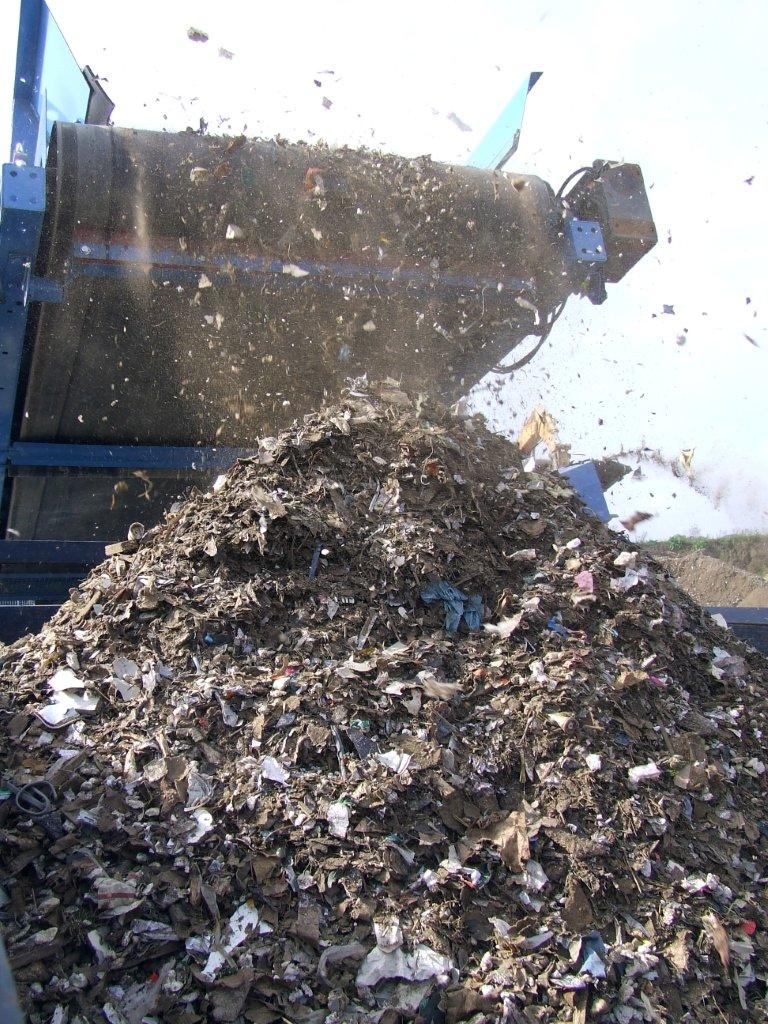
Three years of political wrangling and one very public protest outside Parliament later, a compromise has been reached. Trommel fines will not attract the full £82.60 per tonne – but processors will have to be a lot more rigorous in proving they can meet the lower rate.
The LOI regime will see landfill operators conduct laboratory tests on every 1,000 tonnes of waste they receive from an individual customer, heating a tiny sample of the load to calculate how much non-inert material is present inside.
Samples that achieve a 15% LOI or less in the first 12 months of the regime will be eligible for the £2.60 rate – falling to 10% or less from April 2016.
“Sensible position”
The plan has its supporters; not least the trade associations that have been at the negotiating table with HMRC since the shock announcement in 2012. Independent waste consultant and former Countrystyle manager Charlie Trousdell attended the meetings – and believes a “sensible position” has been reached by both parties.
“I think it would be good to give credit to HMRC who have listened to industry and come up with a sensible position which should go a long way to clarify when fines are low rate tax,” he says. “One of the key issues is a standard test for LOI which will eliminate variability. Essentially HMRC recognises that producers of fines will have mixed waste inputs and the focus is on ensuring outputs are only of qualifying material.”
“Obviously a producer of fines must demonstrate that they accept qualifying material, clearly if they do not have qualifying input material it is not possible to have qualifying outputs.”
But ultimately, Mr Trousdell believes there has to be a cut-off point where producers need to take responsibility for what materials they are sending to landfill – a marker that is now provided by the 15% LOI threshold.
He adds: “The onus is on the producer to demonstrate that whatever process they run the resultant fines consist of material that is on the qualifying list and meet the LOI threshold along with any other tests the landfill operator is required to undertake to prove the suitability of the waste.”
Wastecycle
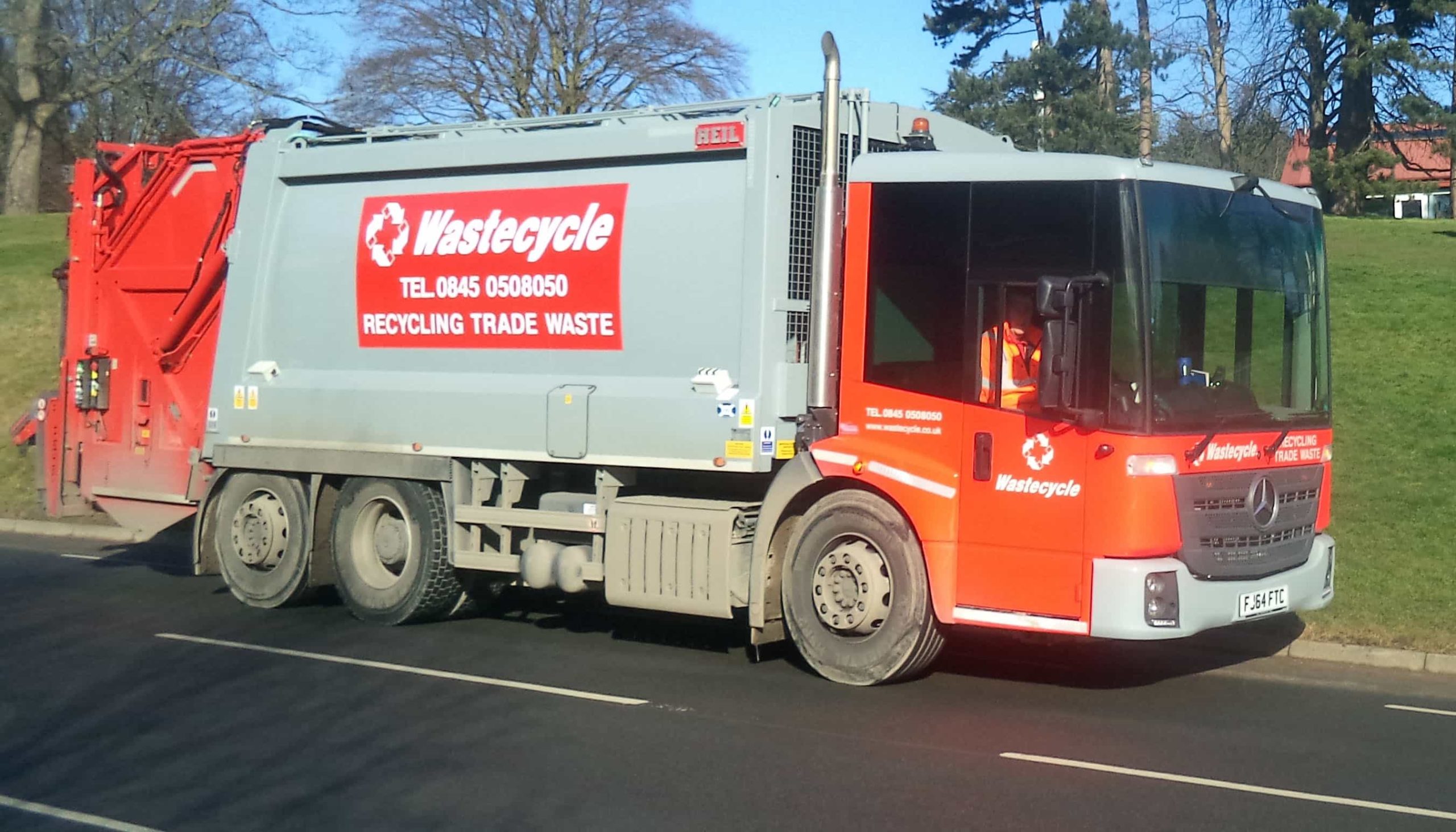
So what do those producers at the coalface make of the new legislation? Paul Needham, managing director of Wastecycle, is largely positive that it will “clear up” a situation that has confused processors for years. As a member of the United Resources Operators Consortium (Uroc), the East Midlands waste and recycling firm’s views were put to government officials at the working group.
“After nearly three years of uncertainty I sincerely hope the new guidance will provide clarity and certainty to landfill operators, recyclers and waste producers,” he says. “I welcome the interim 15% LOI which allows operators enough time to buy the right processing equipment.”
Consistency
However, Mr Needham still has some reservations surrounding the consistency of LOI – an issue that has been flagged up repeatedly by operators since the regime was first proposed in the Chancellor’s 2014 spring budget.
Operators claim that one lab test may yield different results from another, while the sampling process is not representative enough to produce an accurate reading. HMRC has responded by offering retests on loads that come within 0.5% of the threshold – a margin that leaves little room for error.
“One concern I do have is the lottery of testing,” Mr Needham admits. “Is a sample of a few grams really representative of a 20 tonne load? A 0.5% margin for retests is too small if the samples taken from the load will be less than 1%. There are going to be teething problems but one would hope they would calm down over a period of time.”
Some processors are less concerned about accuracy of the tests, but sceptical that LOI will not be open to the same unscrupulous activities it is meant to eliminate.
Equipment

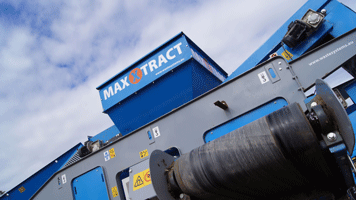
Alex Marland, of Bristol-based skip hire company McCarthy Marland, says the company is well prepared for the LOI regime. The firm purchased Max X Tract equipment in early 2013 to improve the separation of fines.
“We are ready for it,” Mr Marland explains. “This is 15% LOI for the first 12 months so I think it [HMRC] has given people plenty of time to take notice. We have tested our fines and they have been below 10%. But it’s the discretion of the landfill operator to be trustworthy. They will be the ones generating the results, and how that is controlled will be important.”
He adds that the system could produce a “loophole” for landfill operators. “If for some reason a landfill operator suddenly decided they wouldn’t want to accept a certain waste stream they could use this as a way of not accepting it,” he adds.
Other questions about maintaining a level playing field remain. Scotland for instance has no plans to introduce LOI testing for at least a year – could that create more cross border movements of waste?
Devolution
The answer so far is unclear, but many believe that if Scotland and Wales begin to vary landfill tax rates after 2017, it will inevitably lead to disadvantages with processors shopping round for the lowest disposal fees.
“We are going to see lots of waste tourism and we would all like to see waste disposed of within the proximity of where it is generated,” Mr Needham warns. “Otherwise landfill tax won’t be working.”

Subscribe for free