
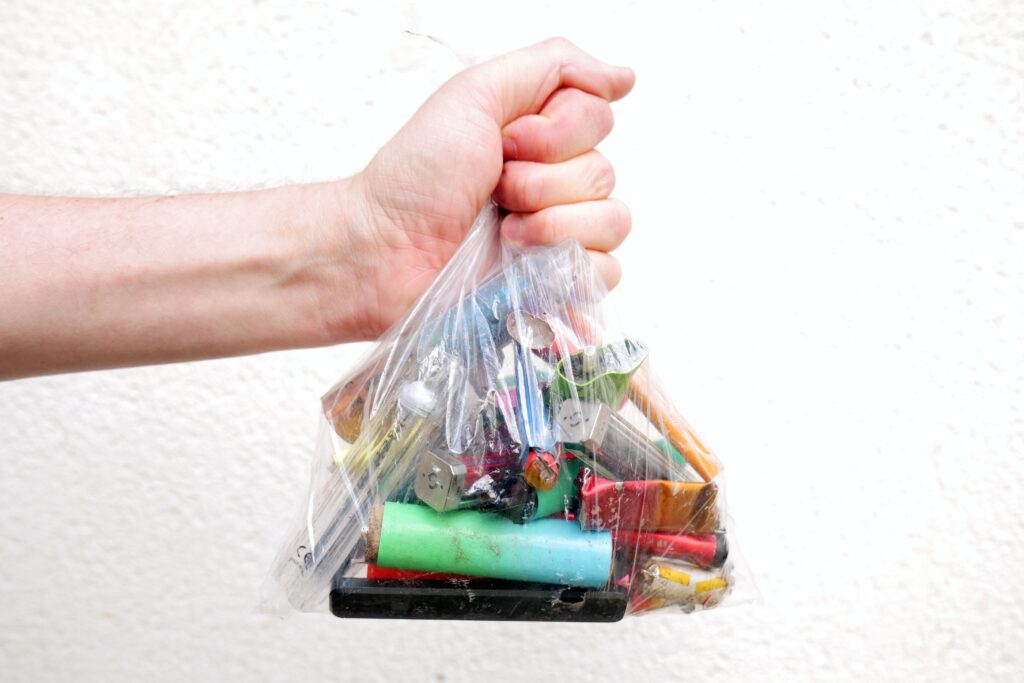
The research also showed that a total of 1.18 billion vapes have been thrown away in the last four years.
The not-for-profit behind Hypnocat said that this is despite the single-use vape ban which came into effect in June last year.
However, the organisation identified that the ban has led to a 23% reduction in the number of vapes being thrown away weekly than the previous year.
The ban came into effect on 1 June 2025, and mandates that all vapes have to be refillable and rechargeable.
Vapes which are incorrectly disposed of carry a significant fire risk which can damage infrastructure and put lives at risk.
Fires caused by vapes and other electricals with hidden batteries are on the rise across the UK.
Material Focus research identified that the number of battery fires in the waste stream had increased to over 1,200, an increase of 71% from 700 in 2022.
Waste management company Veolia reports that it currently deals with at least one fire a day throughout its waste services.
Nicola Henshaw, Managing Director of Veolia UK’s Hazardous Waste Business said: “It’s really important that people know the items that can’t be put in the bin.
“Everyday items like old toys or electric toothbrushes, as well as vapes and electric scooters, contain batteries.
“When companies like Veolia collect your bins, the vehicles compact the waste and if a battery is crushed or damaged, it can become extremely flammable and set fire to other items.
“Batteries in waste put our colleagues and the public in danger, damage our specialist vehicles and recycling facilities and disrupt essential services.
“We recently had a fire at one of our sites caused by a single, small battery in a greetings card which was mistakenly thrown away in a paper and card recycling bin demonstrating how even small, seemingly harmless items like a birthday card can be a big risk.”
On top of this, vapes contain lithium and copper which are both classed as critical minerals and disposing of these items improperly means that these finite materials are lost forever.
The research comes as part of Material Focus’ fourth Vape Research report.
Conducted by Opinium, it assesses the impact that the single-use vape sales ban has had on purchasing and disposal behaviours.
Scott Butler, Executive Director of Material Focus, said: “The vapocalypse continues, as we see a rise in battery fires in bin lorries and at waste and recycling centres across the UK.
“The single-use vapes ban has had an impact, but six million vapes and pods are still being thrown away a week and this is still a massive waste of valuable materials and a major fire risk.”
Tobacco and vapes bill
A new bill on tobacco and vape products is currently progressing through parliament and proposes that sellers of vapes will need to be licensed to do so – similar to those who sell tobacco and alcohol.
According to the report, 47% of vapers do not know that they can recycle their vapes and 80% feel there isn’t enough information on how to recycle them.
57% of vapers are more likely to buy vapes from a store if they provide recycling drop-off points.
Butler added: “Requiring these licensed premises to also offer takeback and communicate this clearly to their customers could have a big impact.
“It should be as easy to recycle a vape as it is to buy one. We want more vapers demanding that the places where they buy them also provide recycling points.
“It is a long-standing legal obligation for all of the stores who are profiting from selling them must offer safe recycling drop-off points and cover the costs of doing that.
“Vape producers and importers should then cover the costs of recycling. To find your nearest recycling point, go to Recycle Your Electricals which has over 30,000 recycling locations.”
