

It really is a big step because I think there is the matter of money changing hands in the short term but I think it has strategic significance, Mr Dilnot says.
The agreement will see Shanks sell the business which collects, sorts and processes commercial and industrial waste in the UK to Biffa (see letsrecycle.com story). The UK solid waste division handles waste from a range of commercial and industrial sources which includes shopping centres, retailers, manufacturers and food producers.
Commenting on the importance of the decision, Mr Dilnot says: Any business decision, particularly one of this scale which effects a lot of people, needs to be very carefully considered for multiple different reasons and we as a board have considered our opportunities very carefully and invested a lot of money, time and effort into improving the business and until recently we have been investing in the business to try and improve it.
It is a very logical and clearly strategic sensible decision but also one that has needed to be thought through. It is critical when a decision is taken like this it is also important to deal with the people that are affected in a consistent and transparent way.
Municipal markets
The exit from this challenging market will allow Shanks to concentrate on its four core divisions which are: UK municipal, organics, Benelux (Belgium, Netherlands and Luxembourg) solid waste and hazardous waste.
Dismissing any worries that the acquisition may be part of a staged sell off, Mr Dilnot reassures councils that Shanks Group remains heavily invested in the municipal market. What we are left with is very important. What we will continue to deal with in the UK is municipal waste and the PFI contracts.
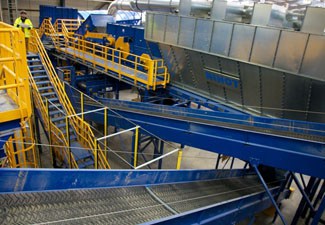
We have a business where we are the market leader in those segments and we will continue to operate 70 sites in the UK.
Shanks currently holds a number of large local authority contracts which are backed by PFI money. One such contract is the 25-year, 750-million PFI-backed contract with the Barnsley, Doncaster and Rotherham Waste Partnership which was signed in April 2012 (see letsrecycle.com story). Shanks signed the deal in partnership with Scottish and Southern Energy.
Explaining his hopes for the business, Mr Dilnot says: In Shanks Group we have four core divisions and one of those is UK municipal. It is a very clear sighted strategy that we would invest and grow in this. We have been very clear with all communication to investors and analysts and would expect our profits and business to double in that area over the next five years as we grow other new infrastructure in Barnsley, Doncaster and Rotherham (BDR), Wakefield and Derby. We are investing a lot of money, 200 million, in infrastructure which we are both excited about but also committed to doing a great job over the next 25 years. It could not be more core.
He added that with regards to adding to Shanks portfolio of local authority contracts in the future, the Group would need to establish whether they would be able to provide a good service while ensuring a reasonable return on the project.
Shanks is currently in the running for a number of contracts including the joint organic waste treatment contract with Cardiff and Vale of Glamorgan councils, which sees it go head to head with Kelda Organic Energy for the 15-year contract. Further success has been found Wales after it was named preferred bidder by the South West Wales Regional Waste Partnership to manage the regions food waste under a 20-year contract.
Another market which Mr Dilnot says is performing well and generating good returns is the Canadian markets in which Shanks runs a number of organics operations, primarily composting. Mr Dilnot believes here are plenty of opportunities to grow in that market North America implements a progressive diversion from landfill.

MRFs
As part of its exit from the UK solid waste market, Shanks is also looking to sell its commercial and industrial materials recycling facilities (MRFs) in Blochairn and Kettering. These facilities have not been acquired by Biffa but Mr Dilnot says he believes they will be sold in the coming months.
The MRF in Blochairn has been closed for some time and therefore we are fairly advanced in making a decision with selling that facility. That is as much as I can say at this time.
The Kettering MRF is different. We announced this morning that the facility will be closing down and those involved have been informed this morning. Both of the sites are to be sole in the coming months with Blochairn in Glasgow probably going quicker than the one in Kettering. It is very unlikely they will be sold to the same buyer.
With regards to jobs, roughly 300 members of staff which work at the 11 sites acquired by Biffa will transfer to the waste management firm under TUPE. However, the 50 workers affected by the closures of the MRFs will be impacted.
What happens is we have the operational teams in the Northern counties and the Scottish business in the central belt. They will all transfer over to Biffa as they work at the 11 sites. There will be some other people who will be impacted by the closure of our sites in Kettering and Blochairn. We have started a consultation process with them and there is about 50 people in total who are directly impacted by this and the closure of those two facilities, Mr Dilnot explains.
Looking forward, Mr Dilnot believes the acquisition will be a good thing for Shanks Group which will be able to expand its work in the municipal market and rid itself of the loss-making UK solid waste division.
He concludes: Although it is uncomfortable for those involved in the short term I think going forward the business will be healthier and leaner as a result.

Subscribe for free