

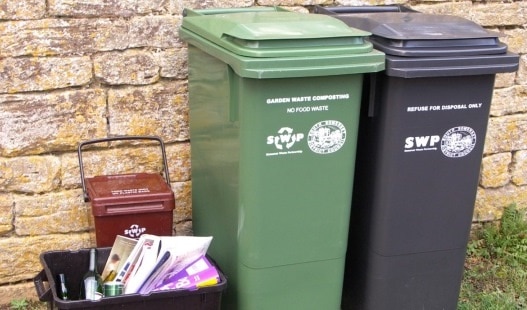
The Partnership’s Board met last week (March 29) to discuss the latest developments in the SWP waste collections contract – to be rolled out from 2021 – as well as wider developments around waste and recycling.
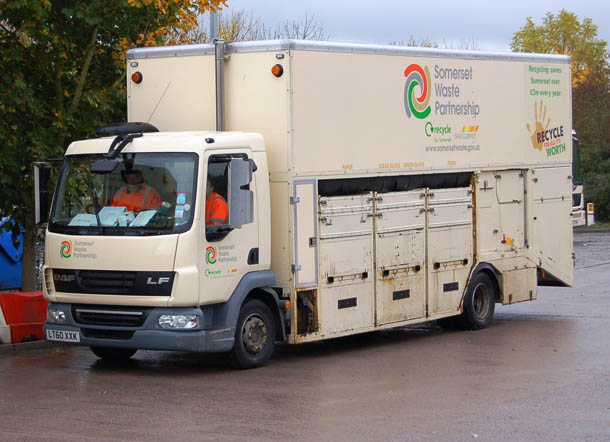
Board members were presented with a report on the measures outlined by the government in its consultation on the Resources and Waste Strategy, published in December.
Subsequent consultations on the strategy, launched in February, have provided details on some of the proposed measures. These include plans to introduce a deposit return scheme for drinks bottles, extended producer responsibility for packaging, and consistency of recycling and waste services from local authorities.
In its consistency consultation, Defra has outlined alternative weekly collection with weekly separate food waste collection as a possible ‘minimum expectation’ for councils – which could link to payments made under an extended producer responsibility regime.
At SWP’s meeting last week, Board members were presented with a report on the proposals, in which officers expressed concern about the potential introduction of a minimum standard for refuse collection frequency.
Funding
In particular SWP has raised concerns about how this might be linked to funding – in light of the fact that it is looking to introduce a three-weekly residual collection system as part of its new service.
The Partnership suggests that its own research has shown that restricting refuse capacity is a “strong driver” for increasing recycling and that once recycling and food waste is removed, there is very little left to be disposed of in the refuse bin, allowing for lower frequency collections.
The report said: “We are very concerned about the potential for minimum standards for refuse frequency, particularly as this may be linked to receiving full funding from producers under Extended Producer Responsibility.
“As the Board is aware, our own research has shown that restricting refuse capacity is a strong driver for increased recycling and that once the recycling and food waste is removed, there is very little left to be disposed of in the refuse bin which allows for lower frequency collections.
“SWP’s view is that there is no evidence to support the government’s proposal, it is inconsistent with their own policy goals (zero avoidable waste by 2050) and will lead to producers paying more than is necessary under EPR.”
The SWP has said it will continue to lobby government on the issue.

Register for free to comment