


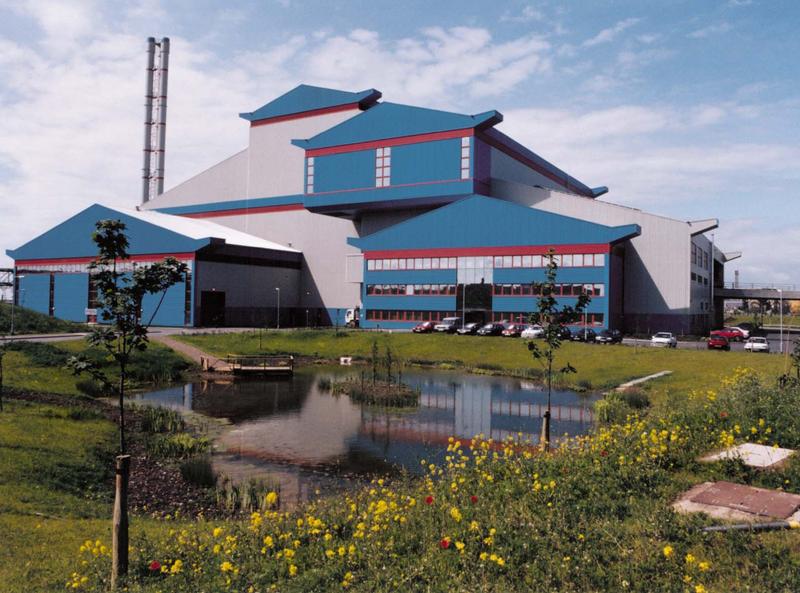
The extension, a third line, has been built to treat waste from SITA's 28 year PFI contract with Northumberland county council, and can deal with up to 136,000 tonnes-a-year of residual waste, generating enough energy to power 36,000 homes.
Today's official opening was attended by North West Durham MP Hilary Armstrong, who is also chairwoman of SITA UK's Advisory Board, along with SITA UK chief executive David Palmer-Jones and the leader of Northumberland county council, Councillor Jeff Reid.
John Grainger, SITA UK North East Regional Manager, commented: “The extension has firmly placed the Tees Valley on the map as a national centre for green energy.
“It was designed to the very highest environmentally-friendly standards – far higher than the toughest European requirements – and is an efficient and green way of dealing with waste that simply cannot be re-used or recycled.
“I am very pleased that this new equipment was delivered within the timescale and budget agreed, and that it has so far surpassed all of our expectations,” he added.
Fire
In June this year, SITA UK revealed that the new line had passed “stringent” performance tests (see letsrecycle.com story).
However, the line was closed for a “very short period” in August after a fire broke out in a back room area of the site. The company said that the new line was not affected directly despite being closed during and after the fire (see letsrecycle.com story).
Landfill
SITA explained that the aim of the EfW facility was to help reduce Northumberland county council's reliance on landfill and it is hoped that just 8% of the county's residual waste will go to landfill by 2012.
Cllr Reid explained that the decision to invest the PFI money into an EfW project was “led by environmental considerations, as well as the financial uncertainties of relying on landfilling”. He said that the facility would save Northumberland residents millions of pounds in landfill tax each year.
He added: “By 2012, our target is to recycle and compost over 45% of household waste in the county, to recover energy from non-recycled waste and reduce the amount being sent to landfill to only 8%, making Northumberland one of the greenest counties in the UK, and we believe we are on track to achieve that.”


Register for free to comment