


In 2012/13 the hotly contended top spot was claimed by Rochford district council in Essex while the undesirable place at the bottom fell to Ashford borough council in Kent.
Rochford achieved a table topping recycling rate of 66.75% in 2012/13 which saw it claim the title for a second time in three years after fighting off stiff competition from Vale of White Horse and South Oxfordshire councils.
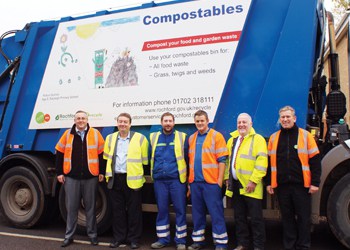
Rochford operates a three bin system delivered by waste partner SITA UK under a seven year contract which commenced on April 1 2008. It is the simplicity of the system which both parties believe is the key to success in Rochford.
Under the contract, worth 2.5 million per year, SITA collects mixed food and green waste on a weekly basis in a 140 litre wheeled bin, and recyclables and residual waste on an alternate weekly schedule in 240 litre and 180 litre wheeled bins, respectively. The contract covers 37,000 households in Rochford.
Barry Saunders, Rochfords street scene manager, says that it is thanks to the simplicity of the service that the partnership has been able to achieve such great results: The simplicity of the service is key for the residents. If it is confusing for them we wouldnt get anywhere near the rates we do.
This is echoed by James Goodwin, contract manager at SITA UK, who says it is the key to getting residents to use the service. I think in Rochford it is a simple scheme, three bins and that is it so it is nice and easy for residents to use.
Commingling
Dry recyclables are collected commingled with paper, cardboard, mixed glass, metals, plastics and cartons all collected at the kerbside. Commingling is key to the success in Rochford. One of the aims of the scheme was to keep it simple and that is why it has been accepted well as they havent got five or six containers. This also means the contamination rate of our recycling is low and its currently around 4-5% which is acceptable to MRFs, Mr Saunders explains.
The council is aiming for a recycling rate of 70% by 2016, however, Rochford and SITA have their work cut out for them after the councils recycling rate alongside a number of other English local authorities dropped from 2011/12. Rochford achieved a 67.4% recycling rate that year.
This was partly attributed to a light weighting of packaging. However the council said tonnages of residual waste also dropped but enthusiasm from residents for the scheme is stable.
Ashford
While Rochford is hoping to keep the top spot within its grasp, Ashford is working hard to ensure it can shake off the title of worst recycling council in England and improve its 2012/13 recycling rate of 12%.
One way the council hopes to achieve this is through an 86 million, 10-year contract with Biffa, as part of the Mid Kent Waste Partnership. On July 8 2013 Biffa introduced a new service which saw the council move to an alternate weekly collection of a range of dry recyclables (including paper, glass, metal, foil and plastic containers) and refuse in separate 240-litre and 180-litre wheeled bins, respectively. In addition, a 25-litre kitchen caddy food waste collections and an optional subscription-based 240-litre wheeled bin for green waste. The contractor operates a similar service in Vale of White Horse and Oxfordshire councils, which came third and second in the league table in 2012/13 respectively.
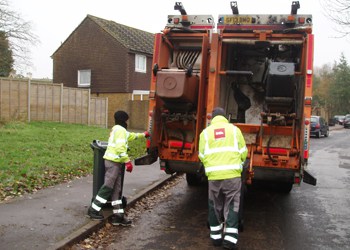
The service change is showing early signs of success, according to Biffa, which says that recycling rates in the borough have now risen to more than 50%. Between July and October 2013, Biffa claims to have recycled or composted 5,000 tonnes of material from Ashford residents: 2,800 tonnes of dry recyclables, 1,300 tonnes of food waste and 900 tonnes of green waste.
This actually outweighs the near 4,600 tonnes of residual waste sent to the countys FCC-Environment-run Allington energy from waste (EfW) plant over the same period and is a far cry from before the service was introduced when 85% of the councils waste was sent for incineration.
Instrumental in the promoting the new service has been Ashford councillor Jessamy Blandford, portfolio holder for culture and the environment. As you can imagine, it is a mammoth job for the council to get this off the ground, she says. I think it is working very successfully now and our recycling rates have gone up considerably. We are very much on the right path.
Communications
Peter Dickson, development director at Biffa Municipal, says the key to the immediate success of the new service was the long-running, pre-planned communications campaign. This involved putting out newsletters, improving phone services, using social media and putting on recycling roadshows throughout the district to communicate the change in service.
People knew it was coming because of the communications we have done they have been waiting for this and it is not a surprise to them, Mr Dickson says. People are not resistant to change you could almost commend Ashford for bravery in waiting for this service.
As a result, Councillor Blandford said there had been a magnificent response from residents with some even storing up a mammoth amount of recycling in their garages in preparation for the new service.
It just shows that getting the message out is key you must expect a lot of telephone calls and have your website up to date and a team of people that can take a lot of calls from the public, she says I think if you get those things in place you are in the right place.
With only one quarter left of 2013/14 the councils will no doubt be working hard to ensure their recycling rates improve and with them at respective ends of the league table all eyes will be on them to see what progress has been made.

Subscribe for free