


Planning approval for £30m Northants plant
The facility is set to handle 120,000 tonnes of industrial, commercial and municipal waste a year. The project is expected to take 15 months to build and is intended to work in two stages: firstly, it will separate out recyclable material such as plastic and ferrous and non-ferrous metals from biodegradable material: and, secondly, the biodegradable material will be made into a fuel for energy generation.
Jon Garvey, project director at Shore Energy, said: “Shore Energy is pleased to have received unopposed permission for this facility in Corby. The area will benefit greatly from the reduction in the amount of waste going to landfill and will be well on the way to meeting the recycling targets set by the government.”
PDM launches food waste scheme at Savoy
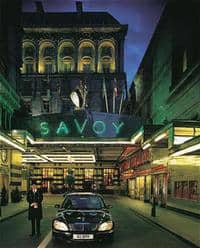
Doncaster-based PDM Group is working with The Savoy hotel to recycle food preparation and plate scrapings from the it's restaurant, Simpson's-in-the-Strand, which remains open while it undergoes £100 million of restorations. In the kitchen, food waste is now separated into designated bins supplied by PDM. These are collected on a weekly basis, which will increase to daily once The Savoy reopens, and taken to PDM's facility in Silvertown, London, where they are bulked up with other commercial and catering waste from across the capital and transported to the company's organic biomass-to-energy renewable power plant.
Philip Simpson, commercial director at PDM, said: “We're pleased to be working with The Savoy and helping it to set the benchmark when it comes to sustainable hotel management. For the hospitality sector, recycling food waste is the next important win, not only helping to improve environmental credentials but also saving costs when it comes to waste disposal.”
Ready meal manufacturer gets £500,000 grant
The Welsh Assembly Government has awarded £500,000 to a ready meals manufacturer to help it develop the first factory in Wales to be powered by energy generated from food waste.
Announced by environment minister Jane Davidson on Wednesday (April 22), the money will help fund a £5 million anaerobic digestion facility for the RF Brookes ready meals plant in Rogerstone near Newport. RF Brookes, which is owned by Premier Foods Plc, will use the plant to convert food waste left over from the production of ready meals to provide heat and power for the processing plant.
Ms Davidson said: “Food waste is a major challenge for us all and it is vital that as well as minimising the amount of waste we create, we reduce the amount of that waste that goes to landfill. This will make a vital contribution to reducing our carbon footprint.”
Business recycling scheme claims 90% diversion

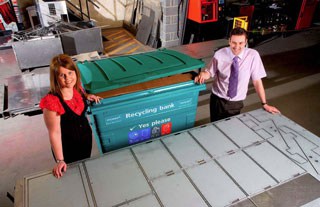
Durham-based Premier Waste says that its Recycling Bank system currently collects over 50 tonnes of recyclable material a month and allows companies to dispose of paper, cardboard, plastics, metal cans and plastic film. Premier Waste then recovers the recyclables at its materials recycling facilities.
Adrian Denton, Premier's divisional director for collection and sales, said: “Last year the EU introduced legislation which required businesses to reduce waste. We devised the Recycling Bank system to recycle materials that are the most abundant in the commercial waste stream. A lot of our customers get deliveries of cans or plastic containers in poly wrapped cardboard trays and we can recycle all of this.”
Teesside firm fined over hazardous waste
Teesside Magistrate's Court has handed a Middlesbrough-based waste disposal company fines totalling £19,200 for two controlled waste offences in a case brought by the Environment Agency.
UK Resource Management Limited (UKRM) pleaded guilty to an offence of keeping controlled waste other than in accordance with a waste management licence, and failing to supply an accurate written description of the waste to the operator of the landfill it was sent to. Environment Agency officers making an inspection visit to Seaton Meadows landfill in Hartlepool on December 19 2006 witnessed a total of 28 tonnes of waste, which included mixed inks, paint, solvents and contaminated rags, entering the site. However, the accompanying paperwork stated the drums were empty. The landfill is not permitted to receive liquid or flammable waste. Magistrates also ordered the company to pay full prosecution costs of £5,800.73 and a victim surcharge of £15.
Trevor Cooper, prosecuting for the Environment Agency, told the court that the company had failed to properly supervise employees and had deliberately kept waste outside the licensed area. He said the potential harm to workers and the public was an aggravating feature of the offences, although there was no evidence of harm.


Register for free to comment