


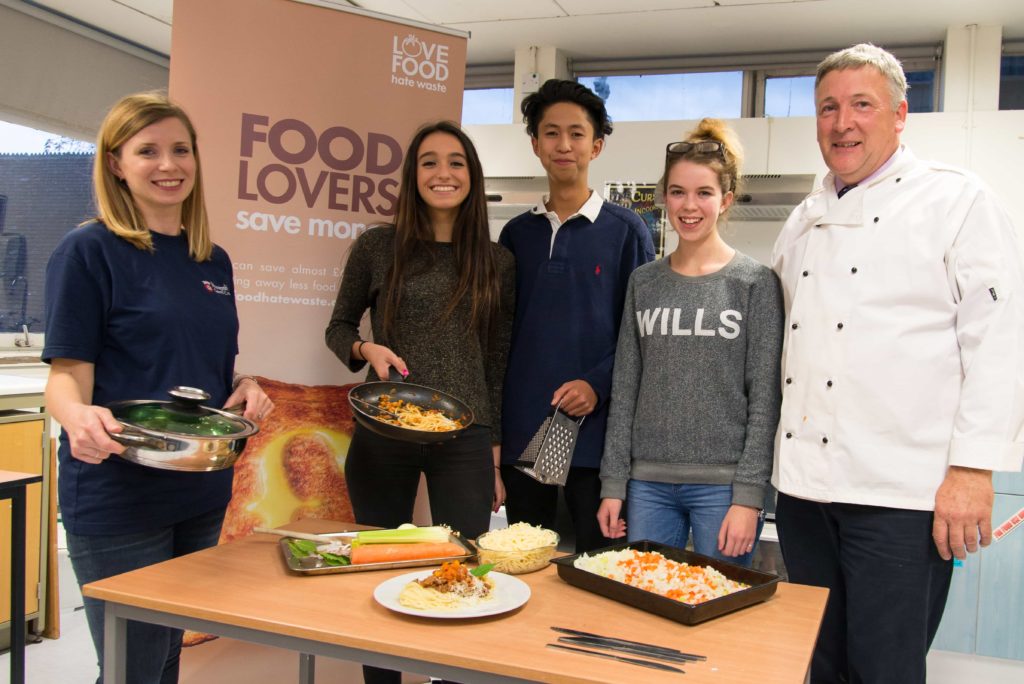
University students learn cooking skills to prevent food waste
University of Winchester students have been learning how to save food waste through cooking, as part of Hampshire county council’s Smart Living campaign.

Smart Living, which was launched in May 2015, is the council’s waste prevention and lifestyle initiative designed to help all Hampshire residents save money and reduce the amount of waste they produce through simple actions such as home composting.
Students from the university attended cooking classes to learn essential techniques and the importance of minimising food waste. This included how to make a basic sauce as a building block for several meals and how to save money through actions such as meal planning, using up leftovers and making use of fridges and freezers.
Councillor Seán Woodward, executive member for economy, transport and environment stated that an average Hampshire family throws away £60 worth of food each month and a recent report identified that young people under 24 spend more on food than anyone else because of a lack of cooking skills.
“It’s encouraging to see young adults taking a real interest in this. Learning how to cook without wasting ingredients is a life skill that will enable them to save money on food bills while reducing the amount of waste they produce,” Mr Woodward added.
_________________________________________________________________________________________
Council staff achieve WAMITAB diploma
Employees from the shared recycling teams at Cherwell district and South Northamptonshire councils have achieved a recognised qualification after spending nearly 300 hours studying for a specialist diploma.
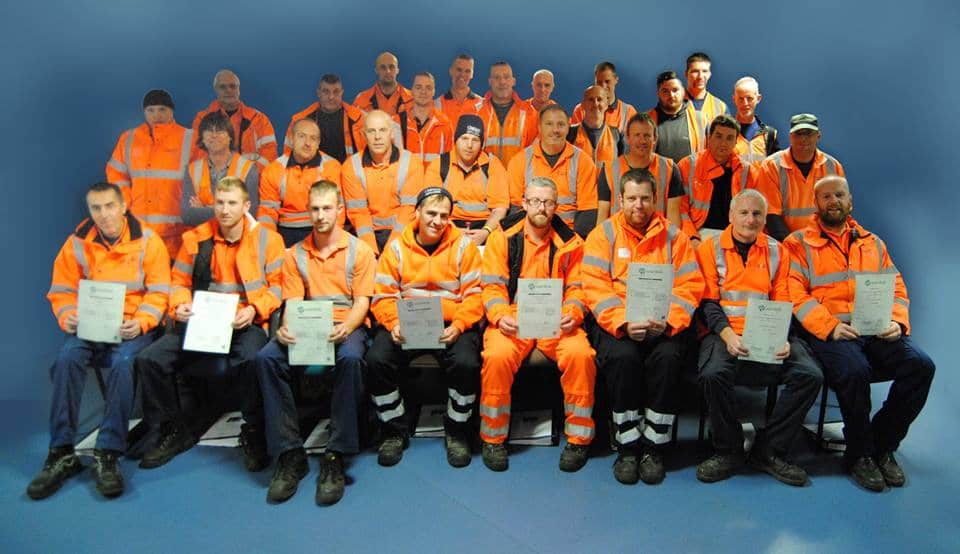
A total of 113 operatives from the teams passed the Waste Management Industry Training & Advisory Board (WAMITAB) level 2 diploma for sustainable recycling activities.
WAMITAB is an awarding organisation and charity which develops qualification and certificates for those working in waste management and recycling as well as cleaning and street cleansing.
The level 2 diploma for sustainable recycling activities provides the students with specialised recycling knowledge including skills required for recycling collection and separation, the process of recycling small electrical items and reuse activities.
Councillor Debbie Pickford, Cherwell’s lead member for clean and green, said: “This is a fantastic achievement for every single one of the operatives who have achieved this diploma and they should be very proud. Not only will it assist them in their day to day work, it will provide them with a recognised qualification that demonstrates their specialised knowledge and understanding of recycling issues.”
_________________________________________________________________________________________
Pledge 4 Plastics releases promotional video
National initiative aimed at boosting plastics recycling, Pledge 4 Plastics, has released a short animated video to promote the ‘secret lives’ of plastics after being recycled.

The video aims to highlight the issue that UK residents are disposing of 15 million plastic bottles each day, despite the fact they can be recycled.
Alongside plastic bottles, the animation places an emphasis on plastic tubs, pots and trays, only 30% of which are recycled from UK households each year.
The 70-second animation shows a family recycling everyday plastic items, with the items making transformations including a butter tub turning into a table, a milk bottle becoming a toy rocket and a yoghurt pot converted as a bumper car. There is also a 40 second ‘bottles only’ version of the video, as some councils are not yet able to collect plastic pots, tubs and trays.
Pledge 4 Plastics, which was launched in September 2014, is led by plastics recycling body Recoup and is supported by a cross industry partnership including local authorities, retailers, brands and recycling companies (see letsrecycle.com story).
Stuart Foster, chief executive of Recoup, said: “The aim of this video is to educate people in a really digestible format, showing examples of what kinds of plastics can be recycled – and, importantly, the diverse range of things they could become afterwards. We hope this surprising information will encourage people to share the video and, in turn, recycle more of their household plastics.”
_________________________________________________________________________________________
Wastecycle partnership with British Gypsum wins national award
East Midlands-based resource management and recycling company, Wastecycle, has been awarded a Green Apple Environment Award following the success of its plasterboard recycling scheme.
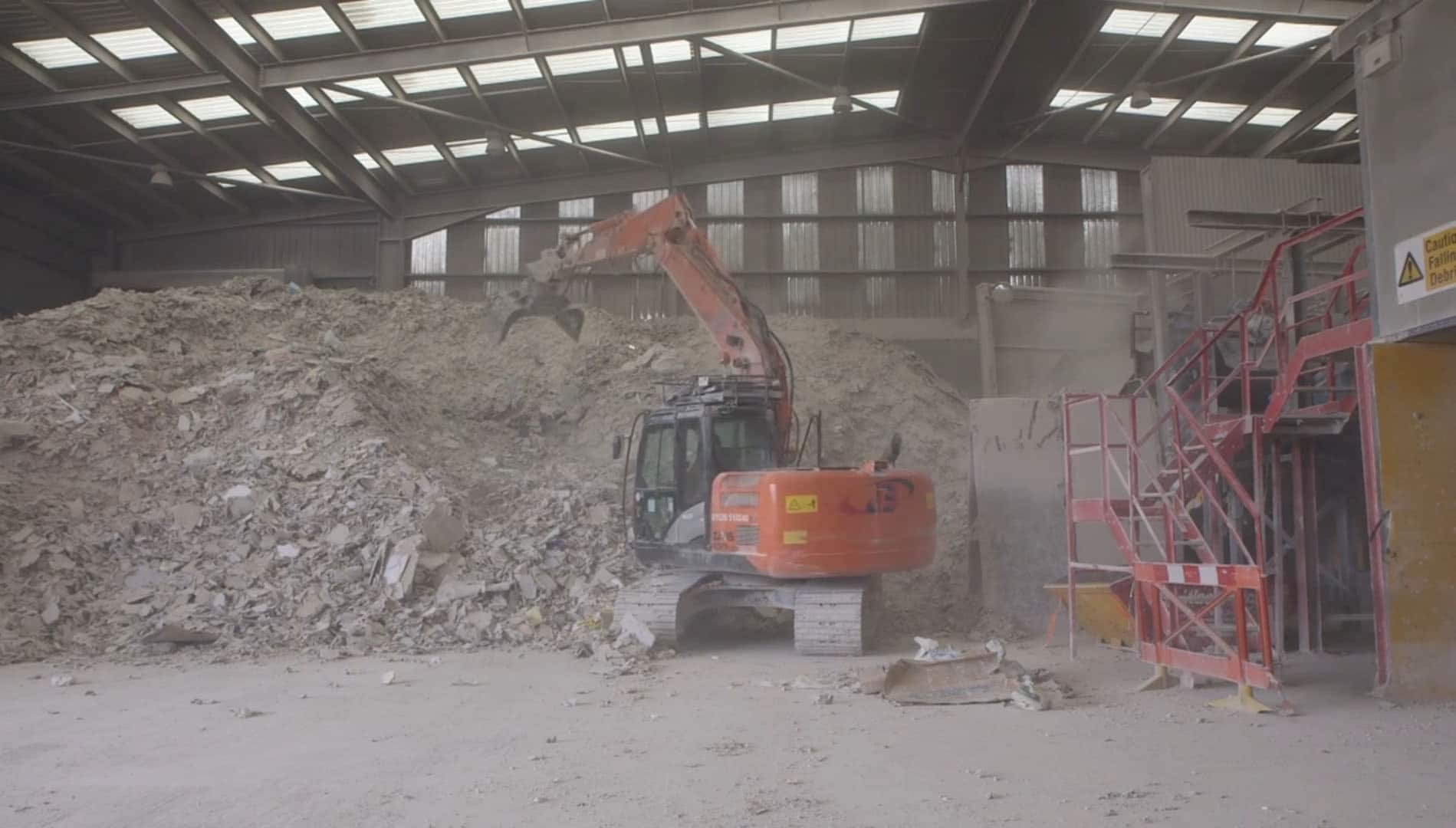
The scheme diverts waste from landfill to provide a sustainable feedstock for the production of new plasterboard by offering a national collection and recycling service.
Partnered with manufacturers of gypsum plasters and plaster board, British Gypsum, Wastecycle prevents 30,000 tonnes of plasterboard material from reaching landfill every year.
Representatives from Wastecycle and British Gypsum attended a ceremony at the Houses of Parliament in London last week and the company are soon to announce if their award is bronze, silver or gold.
Paul Clements, commercial director at Wastecycle said: “We’re delighted to have been awarded a Green Apple Environment Award. When landfilled, plasterboard can create harmful gases that release into the atmosphere. Our scheme prevents a vast amount of material from getting to that stage, and we’re proud to have this recognised as Environmental Best Practice.”
The Green Apple Environment Award is the UK’s major recognition for environmental best practice within companies. Wastecycle has previously won Green Apple awards for its work with East Midlands Airport and Nottingham Trent University.
_________________________________________________________________________________________
Shanks sends first shipment of energy pellets from its Amsterdam quay
International waste management company Shanks Group plc has sent its first shipment of ICOPOWER® energy pellets from its Amsterdam quay.
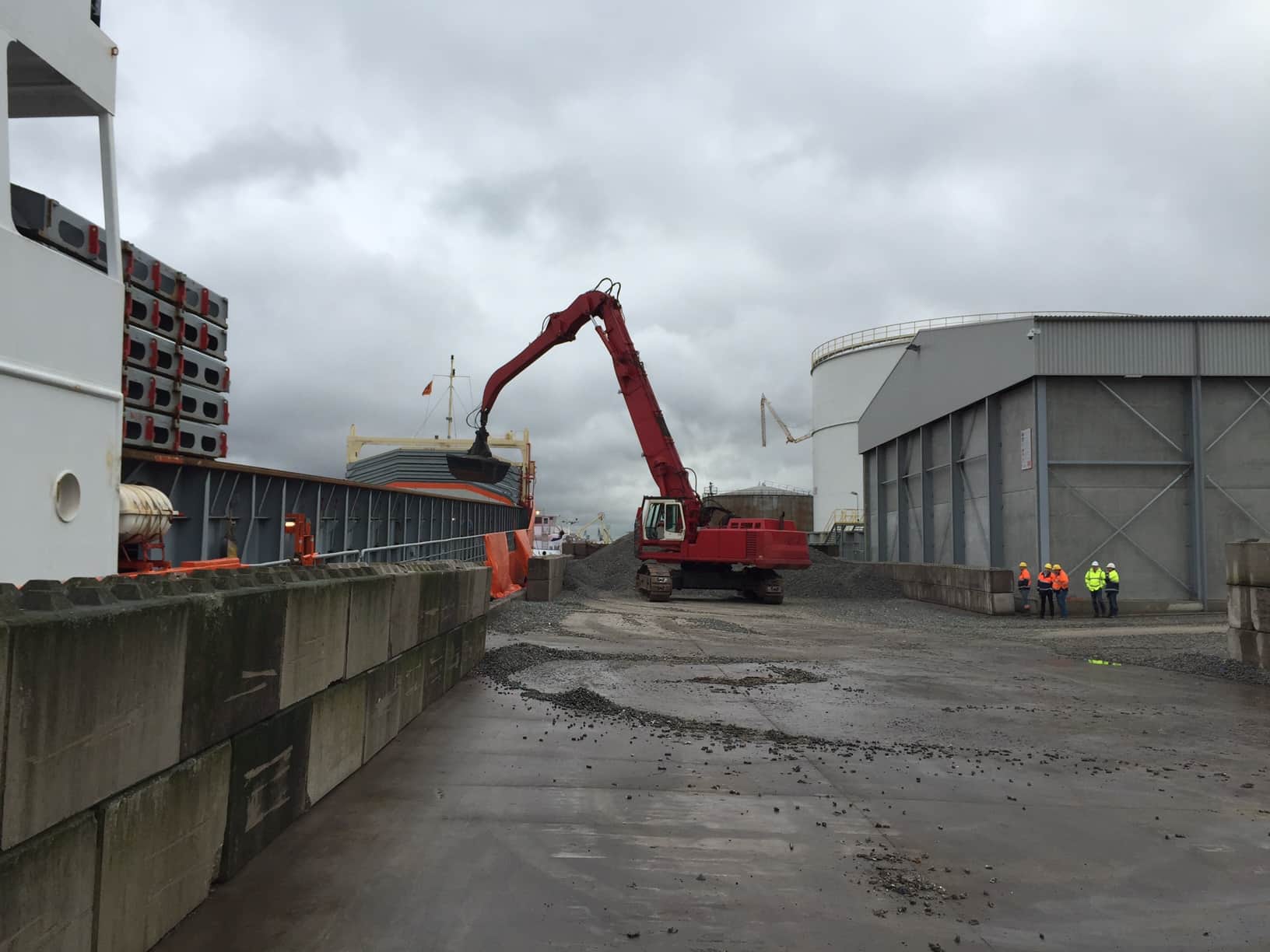
Shanks invested in its own quay in the Amsterdam port to deliver a six year contract with building materials company Heidelberg Cement Group.
Under the contract, Shanks supplies 54,000 tonnes per year of ICOPOWER® energy pellets – a solid recovered fuel product – which are used to power cement kilns and to produce cement clinker. The pellets are not classified as a waste product in the Netherlands due to their consistent and specific chemical composition.
Shanks also opened a 2,300m2 storage shed in September at its Icova site in Amsterdam, which stores the energy pellets ahead of their shipment to Shanks’ customers in Scandinavia.
Michael van Hulst, managing director of Shanks’ Netherlands commercial waste division, said: “The opening of our own quay and storage shed at Icova not only drives efficiency and saves costs but also optimises our operations to effectively service this contract. We are delighted to have this important infrastructure in place to support and maximise the production of our unique energy pellets for the future.”

Register for free to comment