

The Committee, which is chaired by the Labour MP Mary Creagh, will examine challenges faced by producer compliance schemes in meeting targets, which have been missed in the UK in consecutive years, and whether there is an opportunity for fraud in the current system.
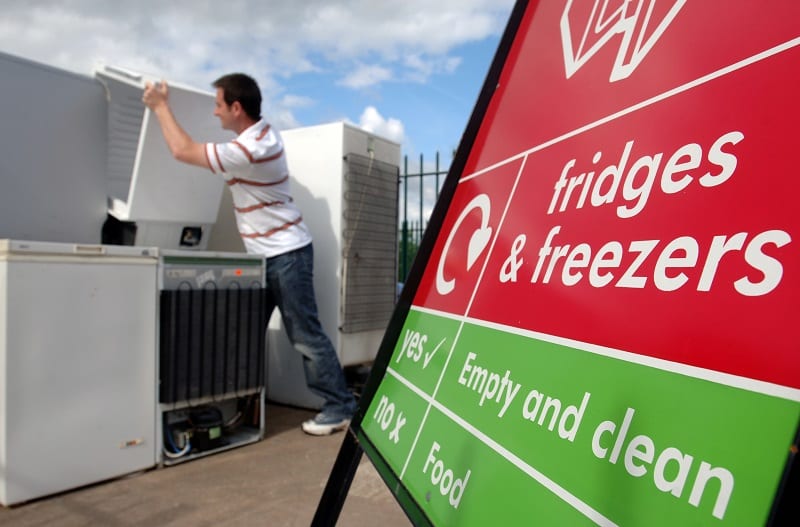
EAC’s inquiry, which is titled ‘Electronic waste and the Circular Economy’ will also look into steps being taken to move towards a greater sustainability for electronic goods.
‘Tsunami’
Commenting on the inquiry, which has been launched today, Mrs Creagh said called for radical action to be taken to tackle the e-waste issue.
She said: “Our old fridges, freezers, computers, TVs, kettles and mobile phones are piling up in a ‘tsunami of e-waste’.
“New phone launches, cheaper goods, and built-in obsolescence have contributed to the growth of electronic waste in recent years.”
She added: “Our attitude to e-waste is unsustainable and the need for radical action clear. We will be investigating the UK’s e-waste industry and looking at how we can create a circular economy for electronic goods.”
Secondary market
Other topics the Committee is looking for responses to include how the secondary market for electrical goods can be improved and ways in which the UK government can help prevent the export of WEEE to the developing world.
“Our attitude to e-waste is unsustainable and the need for radical action clear. We will be investigating the UK’s e-waste industry and looking at how we can create a circular economy for electronic goods.”
Mary Creagh
Environmental Audit Committee

MPs are also interested in how public awareness of electronic waste recycling can be improved. The committee will be accepting written evidence until August 16.
The issue of targets is particularly pressing, given the failure for the UK’s WEEE sector to meet its targets in recent years. Current annual targets for the collection of WEEE, are based on a target of 65% of the average annual weight of electrical equipment placed on the market over the past three years. Experts have said these targets remain ‘challenging’ though, with collections not occurring at the rate needed to meet this level (see letsrecycle.com story).
For 2019 the household WEEE collection target is 550,557 tonnes, 12% higher than in 2018. The 2018 target was missed by 45,000 tonnes. Missed targets has led to more than £10 million having been collected from compliance schemes through the WEEE Compliance Fee, to be distributed to projects to drive greater collection of WEEE.
Among the pledges set out in the Resources and Waste Strategy, the government has said it will publish a review of the 2013 WEEE regulations this year.


Register for free to comment