

This is the conclusion of an inquiry by the Environment, Food and Rural Affairs (EFRA) Committee into the draft Environment (Principles and Governance) Bill, which sets out how the government plans to maintain environmental standards – including recycling targets – as the UK leaves the European Union.
Concerns are raised over the powers of a new environmental watchdog body, which the government plans to establish, to deliver functions currently undertaken by European institutions.
As currently drafted, the committee claims the bill would not allow the OEP – the Office for Environmental Protection – to operate with sufficient independence from government.
Compliance
In addition, to strengthen the OEP’s enforcement powers, the Committee states that the OEP must be provided with further compliance tools beyond the threat of judicial review, and “must be empowered to issue emergency and interim measures in urgent cases of environmental harm”.
The report also addresses a possible gap in enforcing climate change law. Currently, all climate change legislation is enforced by the EU. However, climate change is excluded from the remit of the new watchdog, the committee says.
As a result, the committee calls for the government to make “significant revisions” to its draft Environment Bill before presenting it to parliament.
According to a report published by the Committee today (30 April), the government has stated that it “will not only maintain our current protections, but surpass them, taking new steps to ensure our environment is even better protected in future”.
Ambition
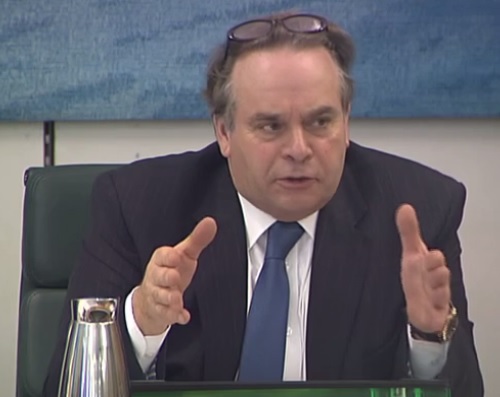
In this respect, Neil Parish MP, the chair of the EFRA Committee states that the bill “clearly fails to meet its own ambition”. “In some areas it actually marks a significant regression on current standards,” he added.
Mr Parish described the bill as a “unique opportunity” to rethink how to protect the environment.
“The watchdog will also need sharper enforcement teeth. The Government must explore appropriate ways to ensure greater personal accountability for Ministers and public servants if they fail to uphold environmental law before presenting this Bill to Parliament.”
Neil Parish MP
EFRA Committee

He continued: “There is also little point in setting up an environmental watchdog if it is unable to fulfil its essential function of holding the government to account. The new watchdog must not solely be a creature of government but needs real independence.
“To achieve real independence there needs to be a role for Parliament in all decisions relating to the membership of the OEP’s board. Funding for the OEP must also not be solely at the whim of Defra ministers, as is currently the proposal. Sustained cuts to arm’s length bodies such as the Environment Agency and Natural England demonstrate the need for the OEP to have greater budgetary protection to guarantee genuine independence.
“The watchdog will also need sharper enforcement teeth. The government must explore appropriate ways to ensure greater personal accountability for ministers and public servants if they fail to uphold environmental law before presenting this Bill to Parliament.
“It is imperative to future generations that the Government does not squander its chance to get this right – it is unlikely they will get another any time soon.”
Last week, MPs on the Envirnonmental Audit Committee published their findings on the proposals, and expressed concerns over the guiding principles for future environmental policy, the OEP’s scope and independence from government, as well as the enforcement powers it will have to hold government to account.
Related Links
EFRA Committee – Environment Bill Scrutiny Report

Register for free to comment